An essential mineral for our health, iron is necessary for maintaining optimal health. While many people obtain sufficient iron through their diet, there are cases where iron deficiency becomes a concern, leading to a condition known as iron deficiency anemia. In such situations, iron infusion therapy can be a game-changer.
An iron infusion involves administering iron to replenish iron stores in the body quickly. Unlike oral iron supplements, which can sometimes be ineffective or cause gastrointestinal discomfort, iron infusions offer a direct and efficient method of iron delivery. This treatment particularly benefits individuals who struggle to absorb iron orally or experience chronic blood loss.
When dealing with iron deficiency, ask, “How many iron infusions do I need?” This is a common question for many patients. In your journey to understand the process, how many iron infusions you need will be a question that pops up consistently.
Iron infusion therapy aims to address these deficiencies and improve overall well-being. Conditions such as heavy menstrual bleeding, gastrointestinal disorders, and certain chronic diseases may warrant iron infusion therapy. These infusions can help alleviate symptoms and restore vitality by promptly replenishing iron levels.
Insights Into Iron Deficiency Anemia and the Need for Iron Infusions
Iron deficiency anemia is expected when the body lacks enough iron to produce sufficient healthy red blood cells. It can arise due to inadequate dietary intake, chronic blood loss, or poor iron absorption from the diet. Recognizing the symptoms of iron deficiency anemia is crucial for early intervention. Knowing how many iron infusions you need can significantly affect your treatment plan and eventual recovery.
In cases where oral iron supplementation fails to provide the desired results or is not well-tolerated, iron infusion therapy becomes necessary. Iron infusions offer a more direct and efficient route of iron delivery by bypassing the digestive system. This intravenous administration ensures that the iron is rapidly absorbed and can promptly replenish iron stores in the body.
Iron infusion therapy is particularly beneficial for individuals with severe iron deficiency anemia or those unable to tolerate oral iron due to gastrointestinal side effects. By delivering iron directly into the bloodstream, iron infusions can rapidly improve iron levels and restore hemoglobin production.
Iron Infusions: A Closer Look at Intravenous Iron Therapy
Intravenous iron therapy, commonly known as iron infusion, is a specialized treatment approach used to replenish iron levels in individuals with iron deficiency anemia rapidly. Unlike oral iron supplements, which may take weeks or even months to show results, intravenous iron therapy provides a more efficient and immediate solution.

The number of iron injections needed to achieve optimal iron levels depends on the severity of iron deficiency and the individual’s response to treatment. Thus, frequently asking your doctor, “How many iron infusions do I need?” is essential to ensure you get the proper treatment.
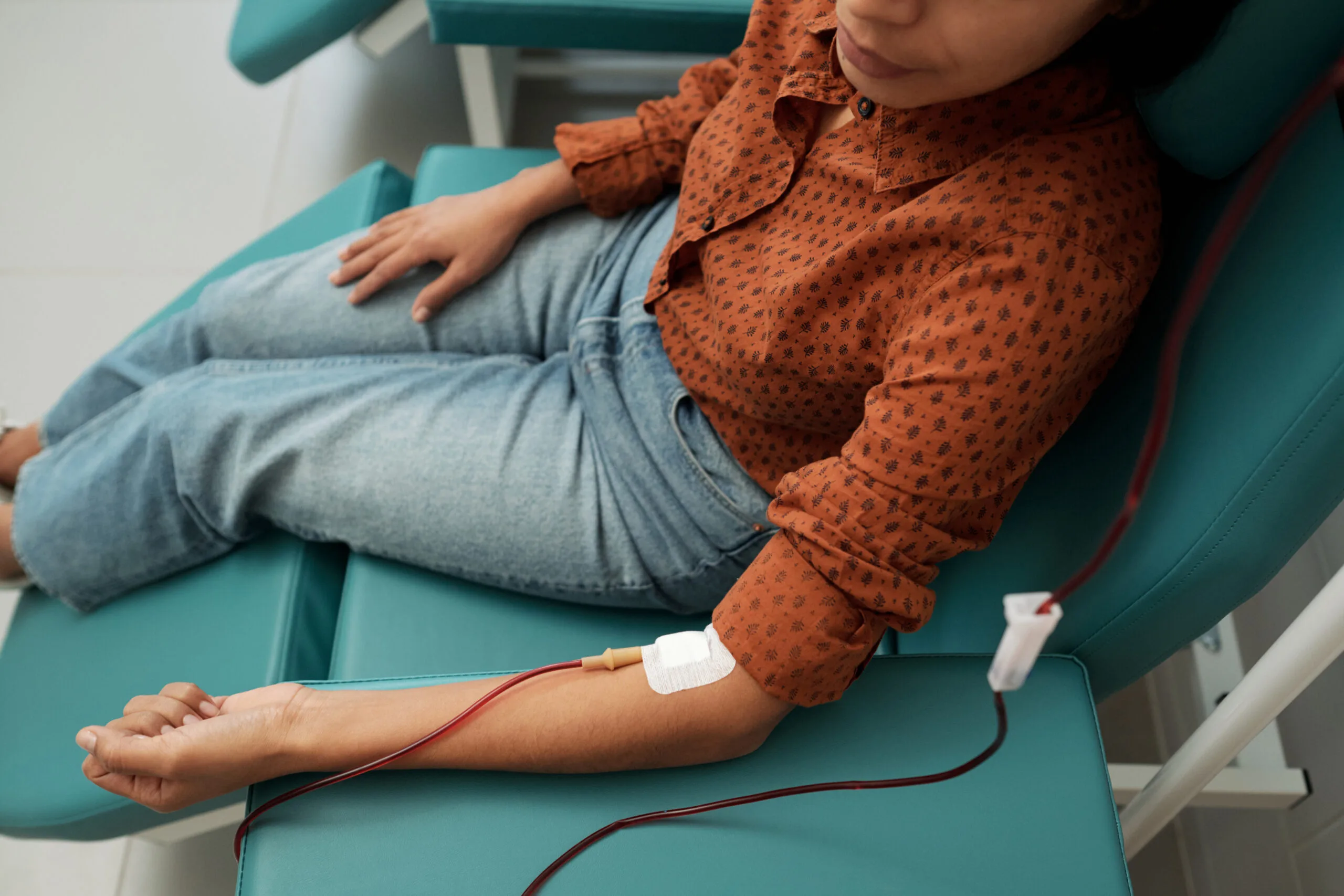
During an iron infusion session, a needle is inserted into a vein, typically in the arm. The iron infusion may be administered slowly over a few hours or as a rapid infusion, depending on the specific iron product and the patient’s condition. The infusion rate is closely monitored to minimize the risk of adverse reactions from the iron.
Sometimes, patients may receive a test dose before the complete iron infusion to assess their tolerance and rule out any potential allergic reactions. This precautionary step helps ensure the patient’s safety throughout the treatment process.
The number of iron injections needed to achieve optimal iron levels depends on the severity of iron deficiency and the individual’s response to treatment. Some people need only one or more iron infusions, while others require multiple iron infusions over weeks or months.
Types of Intravenous Iron
Iron is an essential mineral that is crucial in maintaining good health. It is responsible for producing hemoglobin, which carries oxygen in the blood. When you don’t have enough iron in your body, it can lead to iron deficiency anemia and several associated health issues.
Intravenous (IV) iron therapy is a medical treatment that supplies iron directly into the bloodstream. This method is often used in cases where oral iron supplements are ineffective or cause side effects. The number of IV iron infusions depends on various factors, including the type of intravenous iron used. This article explores the different kinds of intravenous iron and how they affect how many iron infusions you need.
Iron Sucrose (Venofer)
Iron sucrose is one of the most common types of intravenous iron and is widely used to treat iron-deficiency anemia. It is considered a safe and effective option for most patients, with a low potential for causing allergic reactions.
The iron sucrose infusion is typically straightforward and quick, taking about 15-60 minutes. Depending on the severity of the iron deficiency, you may receive multiple iron sucrose infusions spread out over several weeks. This treatment schedule is one of the factors that can influence how many iron infusions you need.
Iron Dextran
Iron dextran is another type of intravenous iron used to treat anemia. This type is not widely used as iron sucrose, as it has a higher risk of causing side effects, most commonly low blood pressure and allergic reactions. However, when administered with care and under proper medical supervision, it’s an effective treatment for iron deficiency.
A significant benefit of iron dextran is that it allows for higher doses of iron to be administered in a single infusion. This aspect can reduce the inputs needed, affecting your required iron infusions. The main drawback, however, is the potential risk of side effects.
Sodium Ferric Gluconate
Sodium ferric gluconate (Ferrlecit) is another form of intravenous iron typically used to treat iron-deficiency anemia in hemodialysis patients. This type is considered safe; infusions usually take 60 minutes to complete.
The number of sodium ferric gluconate infusions you require depends on your iron levels, hemoglobin levels, and the severity of your anemia. Like other types of intravenous iron, the number of inputs will depend on the individual’s need, ultimately influencing how many iron infusions you need.
Ferumoxytol
Ferumoxytol (Feraheme) is another type of intravenous iron primarily used to treat iron-deficiency anemia in adult patients with chronic kidney disease. Ferumoxytol is a well-tolerated option with fewer side effects than other types, such as iron dextran.
Ferumoxytol infusions are typically administered in two doses spread three to eight days apart. Unlike iron sucrose, sodium ferric gluconate, and iron dextran, ferumoxytol can be issued rapidly, often in less than 30 minutes. As with other forms of intravenous iron, the number of infusions required is influenced by your medical condition and iron levels, contributing to how many iron infusions you need.
How To Determine The Suitable Type Of Intravenous Iron
There are several factors to consider when deciding which intravenous iron type suits your needs. They include:
- The severity of Iron Deficiency: Your iron deficiency determines the amount of iron you need, influencing the selected type of intravenous iron and the number of infusions required.
- Type of Anemia: Each form of intravenous iron works best for specific types of anemia. For instance, sodium ferric gluconate is commonly used for hemodialysis patients, while ferumoxytol is primarily used for chronic kidney disease patients.
- Medical History and Allergies: Some types of intravenous iron may have a higher risk of causing allergic reactions or side effects in some individuals. Discussing your medical history and any allergies with your healthcare provider is essential to determine the most suitable type for you.
- Convenience and Administration Time: Administration times may differ depending on the chosen type of intravenous iron. Choosing a style that fits your schedule while providing the necessary iron supplementation is best.
How Effective Is Iron Infusion? The Full Breakdown
Iron infusions are often recommended for patients struggling with iron-deficiency anemia, especially when oral iron supplements have proven insufficient or poorly tolerated. The effectiveness of iron infusions can depend on various factors, such as the type of iron preparation, the severity of the deficiency, and the patient’s health condition. Here’s a detailed breakdown of the critical aspects that determine the effectiveness of iron infusions:
1. Absorption Rates
One of the primary advantages of iron infusions is that the iron bypasses the digestive system and is directly absorbed into the bloodstream. This results in a higher absorption rate than oral supplements, which often struggle to drink in the gastrointestinal tract. Consequently, iron infusions can replenish iron stores more quickly and efficiently.
2. Fewer Gastrointestinal Side Effects
Iron infusions present a favorable alternative to oral iron supplements for patients who experience significant gastrointestinal side effects, including constipation, diarrhea, and stomach cramping. By bypassing the gut, intravenously administered iron significantly minimizes these issues.
3. Rapid Improvement in Hemoglobin Levels
Studies have shown that patients receiving iron infusions show a faster improvement in their hemoglobin levels than those taking oral iron supplements. This leads to a more efficient correction of anemia and aids in alleviating symptoms related to the condition.
4. Tailored Treatment Plans
The dosage and frequency of iron infusions can be customized to suit each patient’s specific needs. This ensures patients receive the optimal amount of iron based on their requirements, enhancing treatment effectiveness.
5. Long-lasting Effects
Iron infusions can achieve long-lasting results that may last several months when properly administered. This mainly benefits individuals with chronic iron deficiencies, reducing the need for repeated treatments.
How Many Iron Infusions Do You Need: Factors Influencing Iron Repletion
The number of iron infusions needed to achieve optimal iron levels can vary depending on several factors. Two key determinants are the initial hemoglobin level and the severity of iron deficiency. Hemoglobin is the protein responsible for carrying oxygen in red blood cells, and its measurement indicates iron status.
Individuals with lower hemoglobin levels and more severe iron deficiency may require multiple iron infusions to replenish their iron stores adequately. In such cases, a series of inputs given over time may be necessary to increase iron levels and improve overall health gradually.
The underlying cause of iron deficiency, continued blood loss, and the individual’s reaction to iron supplementation are all factors that can influence the number of iron infusions required. For example, individuals with chronic gastrointestinal bleeding may require more inputs than those with milder iron deficiency anemia. Knowing how many iron infusions you need will help achieve optimal results.
Getting an Iron Infusion: What to Expect During the Procedure
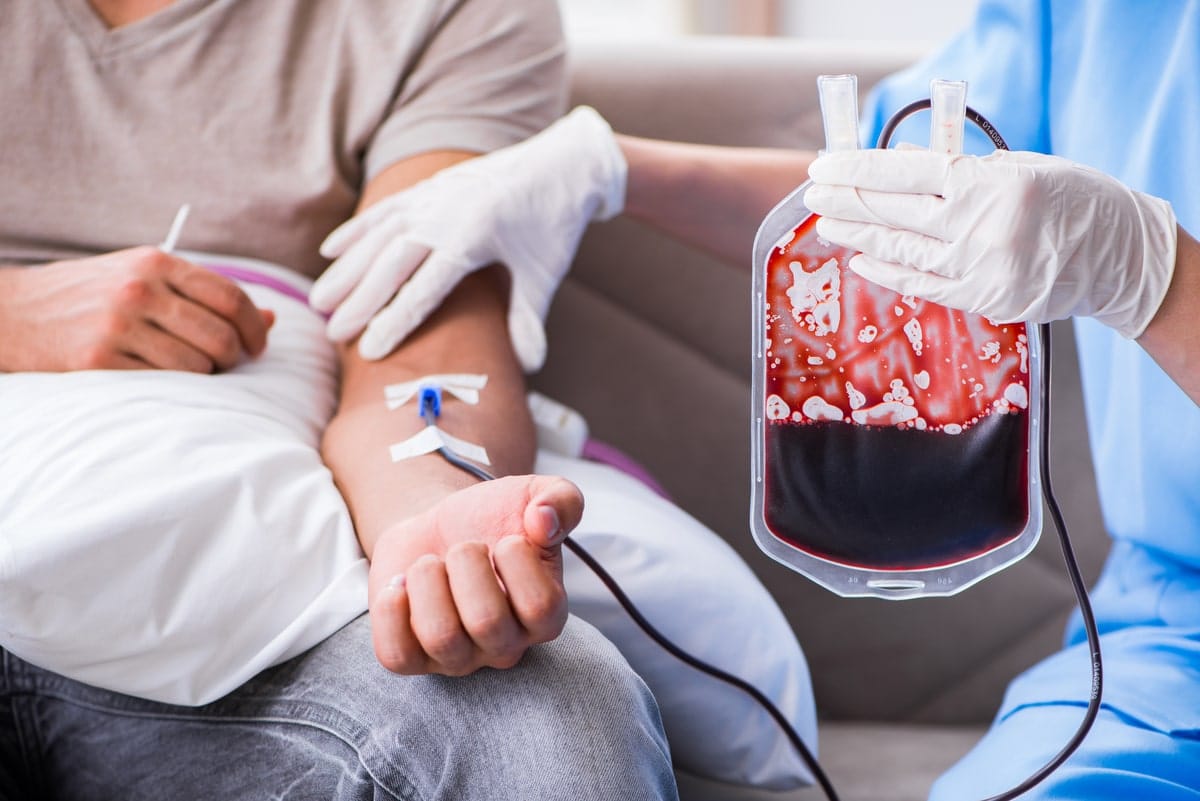
Understanding the step-by-step process can help alleviate any concerns and ensure a smooth experience if you’re scheduled to receive an iron infusion. Here’s what you can expect during the procedure:
1. Preparation: You will be comfortably seated or lying in a medical setting. The healthcare professional will cleanse the needle’s insertion area, typically in your arm.
2. Needle insertion: A small, thin needle will be carefully inserted into a vein. You may feel a slight pinch or discomfort during this process.
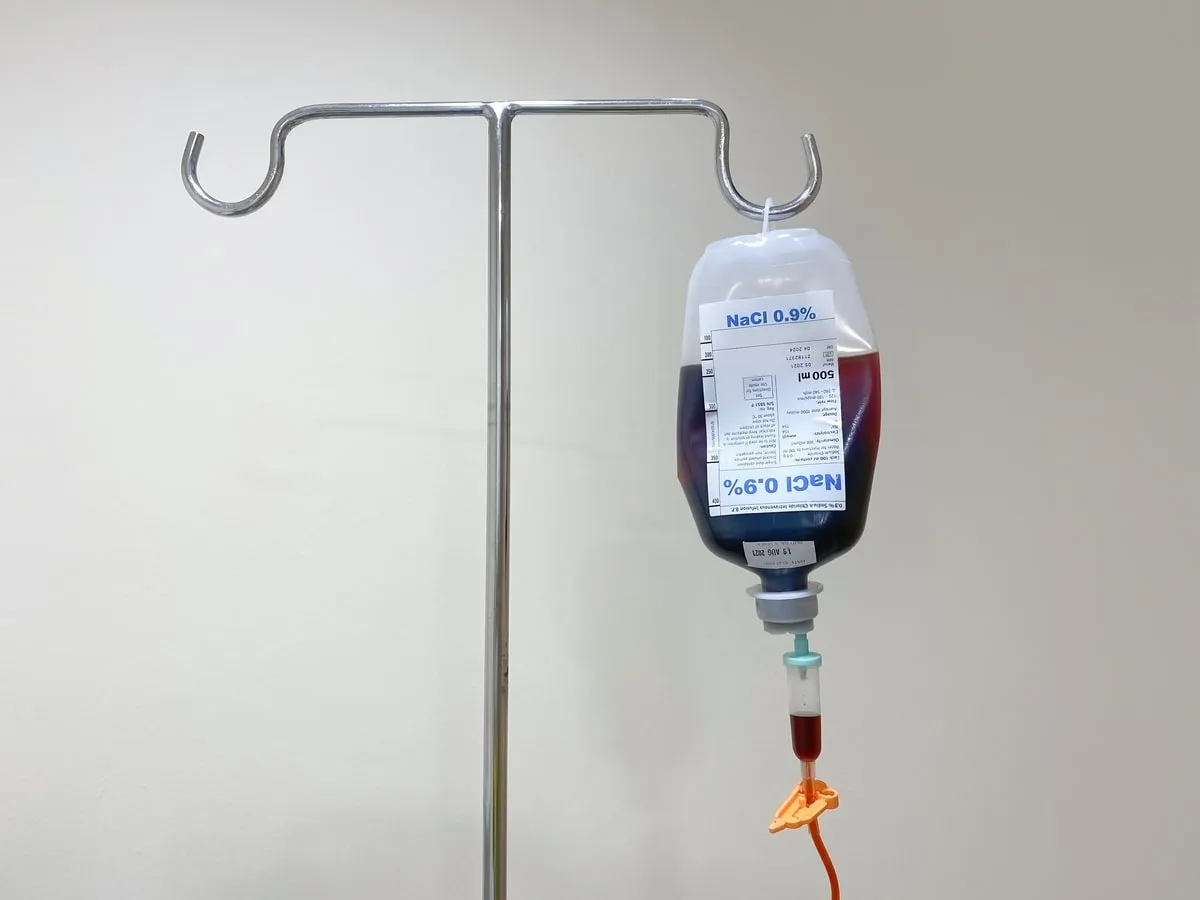
3. Iron infusion administration: The infusion will slowly be delivered through the intravenous line. The injection may last several hours, depending on the specific iron product and prescribed infusion rate.
4. Monitoring: Healthcare professionals will closely monitor your vital signs and watch for potential adverse reactions throughout the procedure.
5. Relax And Pass The Time: Bring a book, listen to music, or relax during the infusion. Many medical settings provide a comfortable environment to make your experience as pleasant as possible.
6. Completion: When the infusion is finished, the needle is withdrawn, and pressure is administered to the injection site to avoid bleeding.
Oral Iron vs. IV Iron: Comparing Different Methods of Iron Intake
When addressing iron deficiency, there are two main approaches for increasing iron intake: taking oral iron supplements and receiving intravenous (IV) iron infusions. Let’s compare these two methods to understand their benefits and drawbacks better.
Oral iron supplements are widely available and can be taken conveniently at home. They are often recommended as a first-line treatment for mild cases of iron deficiency anemia. However, oral iron supplements may have limitations. The body can inadequately absorb them, resulting in gastrointestinal side effects such as constipation, nausea, or stomach irritation. Furthermore, meaningful gains in iron levels with oral supplementation may take several weeks or even months.
In contrast, IV iron infusions offer a more direct and efficient method of iron delivery. They are particularly beneficial for individuals with severe iron deficiency, malabsorption issues, or intolerance to oral iron. IV iron infusions bypass the digestive system, ensuring rapid absorption and prompt replenishment of iron stores. This method can result in faster improvement of iron levels and quicker resolution of symptoms associated with iron deficiency anemia.
IV iron is often preferred over oral iron in cases where oral supplementation is ineffective or not well-tolerated. It is also advantageous for individuals who require immediate iron repletion, such as those with significant blood loss or certain chronic conditions.
Decoding the Side Effects of Iron Infusions
Like any medical procedure, iron infusions can be associated with side effects. Understanding how many iron infusions you need and common side effects that may arise during or after an iron infusion session is essential.
Common Side Effects Of Iron Infusions
1. Headache: Some individuals may experience mild to moderate headaches during or after the infusion.
2. Nausea or vomiting: These gastrointestinal symptoms may occur but are usually transient.
3. Muscle or joint pain: A temporary discomfort in the muscles or joints may be experienced by some individuals.
4. Flushing or changes in skin color: These temporary skin reactions are typically harmless and resolve independently.
While rare, serious side effects and complications can occur. These may include:
1. Allergic reactions: Some people may be allergic to the iron infusion, which manifests as difficulty breathing, hives, or swelling. Immediate medical attention is necessary if such reactions occur.
2. Infection: Although rare, there is a slight risk of infection at the infusion site. Proper sterilization and following healthcare guidelines minimize this risk.
3. Iron overload: Excessive iron levels in the body can lead to iron overload. Regular monitoring of iron levels and appropriate dosing help mitigate this risk.
4. Low blood pressure or fainting: Infrequently, individuals may experience a drop in blood pressure or feel lightheaded during the infusion. This can be managed by adjusting the infusion rate or providing additional support.
The Path to Optimal Health with Iron Infusions
Iron infusions are significant in addressing iron deficiency anemia and restoring vitality in the journey toward optimal health. Let’s recap the key points discussed and emphasize the importance of personalizing iron therapy to individual needs.
In conclusion, the answer to the question, “How many iron infusions do you need” is not a standard number but specific to each individual, with factors such as body weight, diet, and overall health playing crucial roles in the determination. Regular check-ups and constant communication with your healthcare provider will ensure you get a clear and accurate answer to your question: “How many iron infusions do I need.”