Iron is an essential nutrient that the body needs to function properly. It plays a role in the formation of healthy red blood cells, helps deliver oxygen to tissues, and maintains energy levels. When the body does not have enough iron, it can cause fatigue, weakness, and iron deficiency anemia.
The first step in treating iron deficiency is usually improving the diet or taking oral iron supplements. However, some individuals cannot absorb enough iron through the digestive tract or are unable to tolerate oral pills. In these cases, physicians may prescribe iron infusion therapy, also known as intravenous iron therapy.
At Heme On Call, physicians evaluate symptoms of anemia, confirm the diagnosis, discuss treatment options, and provide infusion therapy when appropriate. Understanding how iron infusion works can make patients feel more comfortable with their treatment options.

What Iron-Deficiency Anemia Means
Iron deficiency anemia is caused by a lack of sufficient iron to produce enough hemoglobin in the body. Hemoglobin is the protein in red blood cells that carries oxygen throughout the body. Without enough iron, the body cannot deliver enough oxygen to tissues, making it harder to function properly.
According to the World Health Organization, iron-deficiency anemia is one of the most common nutritional deficiencies worldwide, affecting hundreds of millions of people.
In many cases, the problem begins when the body’s iron stores become depleted. The body normally stores excess iron in tissues such as the liver and bone marrow. When those iron stores are depleted, the body has difficulty producing healthy blood cells.
Common symptoms of iron deficiency anemia in adults include:
- Persistent fatigue
- Weakness
- Shortness of breath
- Pale skin
- Dizziness
- Difficulty concentrating
Doctors often begin with blood tests to assess iron levels, ferritin, and other markers to determine whether a patient is iron-deficient.
Who Needs Iron Deficiency Treatment
Not everyone who is iron-deficient requires infusion therapy. However, some patients who have iron deficiency anemia may need more advanced treatment.
Common groups who may benefit from iron replacement therapy include:
1. Patients Unable to Absorb Iron
Some people have problems with iron absorption from the digestive system. Conditions such as celiac disease, gastrointestinal surgery, or inflammatory bowel disease can affect how the body absorbs iron from food or supplements.
2. Patients with Chronic Blood Loss
One of the most common causes of iron deficiency is excessive loss of blood. This may occur due to:
- Heavy menstrual bleeding
- Gastrointestinal bleeding
- Ulcers or colon conditions
These patients often require long-term replacement of iron to rebuild their body’s iron stores.
3. Women with Iron Deficiency Anemia
Women with iron deficiency anemia often develop low iron levels during pregnancy or other times when the body requires more iron.
4. Patients Unable to Tolerate Oral Iron
Some people are not able to tolerate oral iron due to side effects such as stomach pain, nausea, or constipation. In these cases, doctors may suggest intravenous iron instead.
5. Severe Iron Deficiency
Patients with severe iron deficiency or extremely low iron stores may require infusion therapy to quickly replenish iron stores.
What Iron Infusion Treatment Involves
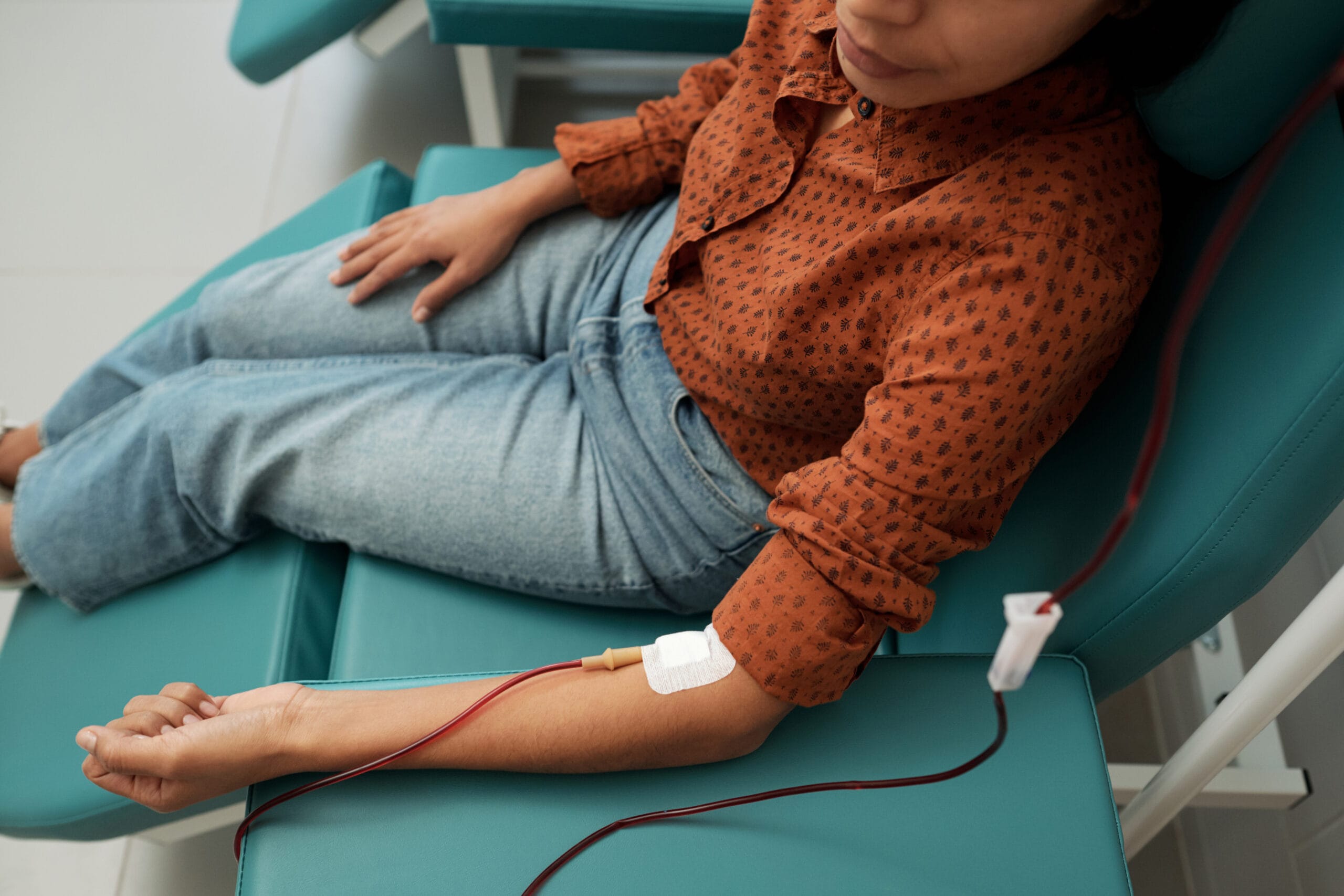
Iron infusion therapy is a treatment that delivers iron directly into the bloodstream. This is done through an intravenous (IV) line. This allows the body to receive iron immediately without relying on digestion.
Iron infusion therapy is also known as parenteral iron therapy.
How the Treatment Works
When a patient undergoes iron infusion therapy:
- A healthcare professional will insert an IV line into the vein.
- The iron will then be injected slowly into the vein.
- The iron infusion may take anywhere from 15 minutes to several hours.
The amount of iron required is calculated based on the patient’s weight and the severity of the anemia. Patients may be given a certain number of milligrams of iron per kilogram of body weight.
Common Intravenous Iron Formulations
Several intravenous iron medications are available to treat iron deficiency anemia.
- Iron sucrose
- Iron dextran
- Low molecular weight iron dextran
- Iron sucrose and ferric gluconate
- Iron therapy with ferric carboxymaltose
These medications help doctors to give the body a controlled dose of iron. Some patients may only need to undergo a single iron infusion. Others may need to undergo regular iron infusions.
Alternatives to Intravenous Iron Therapy
Before opting for IV iron, doctors usually explore less invasive options first.
1. Oral Iron Therapy
The most common first-line treatment for patients with iron deficiency anemia is oral iron therapy.
In oral iron therapy, patients are given iron tablets or liquid iron supplements. Iron therapy may include ferrous iron salts, which help in increasing elemental iron levels in the body.
Patients may be given iron tablets daily, with a recommended amount of mg of elemental iron daily, depending on their requirements.
2. Dietary Iron
In addition, patients may be given dietary iron in the form of:
- Red meat
- Spinach
- Beans
- Iron-fortified cereals
These foods contain iron, including heme iron, which is easily absorbed by the body, which is easily absorbed by the body.
3. Oral Iron Replacement
For most patients, oral iron therapy is a good option if they take the supplements as directed.
However, some patients may not respond well to oral iron therapy, or they may not be able to maintain their iron levels with dietary means. When patients do not respond well to oral iron therapy, they may have to undergo infusion therapy.
Who Does Not Need Iron Infusion Treatment
Iron infusions are very effective, although they are not necessary for everyone with low iron levels.
Iron infusions are usually not needed for:
Patients Who Respond Well to Oral Iron
Some people tend to respond well to iron supplements. When patients respond well to oral iron, they may not need iron infusions.
Patients with Mild Iron Deficiency
Some people may have iron deficiency without anemia, which means their iron levels are a little low, but their red blood cell counts are normal.
In these cases, patients may be able to correct their iron levels with dietary adjustments or oral iron therapy.
Patients with Temporary Iron Loss
Some patients may temporarily lose iron due to illness or surgery; their iron levels usually return to normal as soon as they recover from their illness or surgery.
In these cases, patients are given treatment for their underlying medical conditions, and they may not need iron infusions.
Long-Term Management of Iron Deficiency Anemia
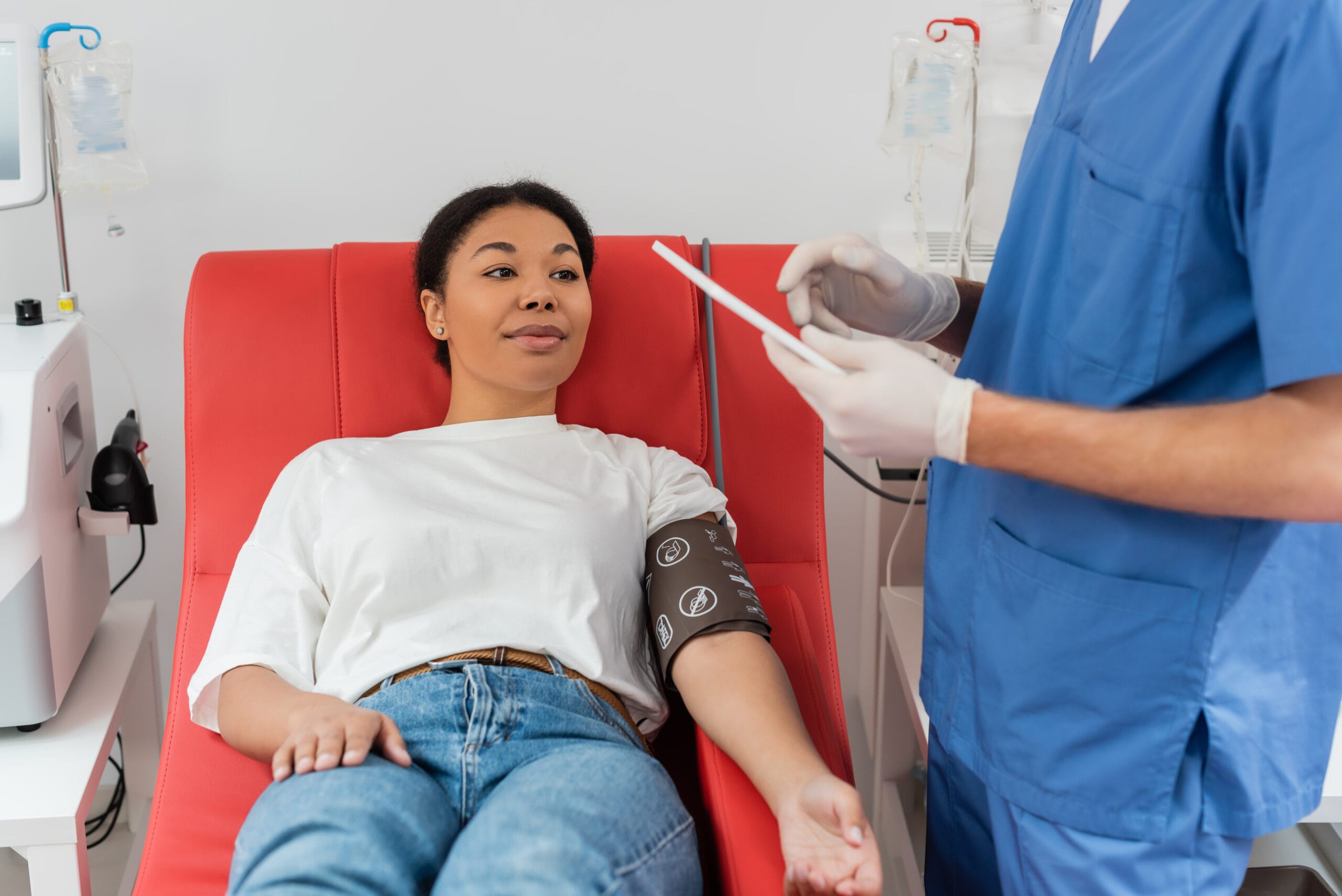
For some patients, iron deficiency anemia treatment may involve ongoing monitoring and treatment.
Doctors may recommend that patients be monitored through periodic blood tests that measure:
- Ferritin levels
- Iron stores
- Red blood cell production
For some patients, particularly those suffering from a chronic condition, intravenous iron injections may be part of a broader treatment plan.
Researchers continue to study the effects of long-term intravenous iron therapy in patients suffering from anemia of chronic disease or symptomatic heart failure with iron deficiency.
The purpose of treatment is not only to replenish iron stores but also to prevent future iron deficiency anemia.
Finding the Right Iron Deficiency Treatment
Iron deficiency is a common condition, but it is also one of the most treatable. The first step toward recovery is understanding the causes, symptoms, and appropriate treatment options.
Iron supplementation is the best treatment for many people who are suffering from anemia. However, some people need to be treated with intravenous therapy to ensure that their iron levels are normal.
The physicians at Heme On Call are dedicated to helping people understand the causes, symptoms, and appropriate treatments for anemia that may include iron infusion therapy.
If you have anemia or low iron levels and are experiencing fatigue or weakness, consult a medical professional to learn about your treatment options.