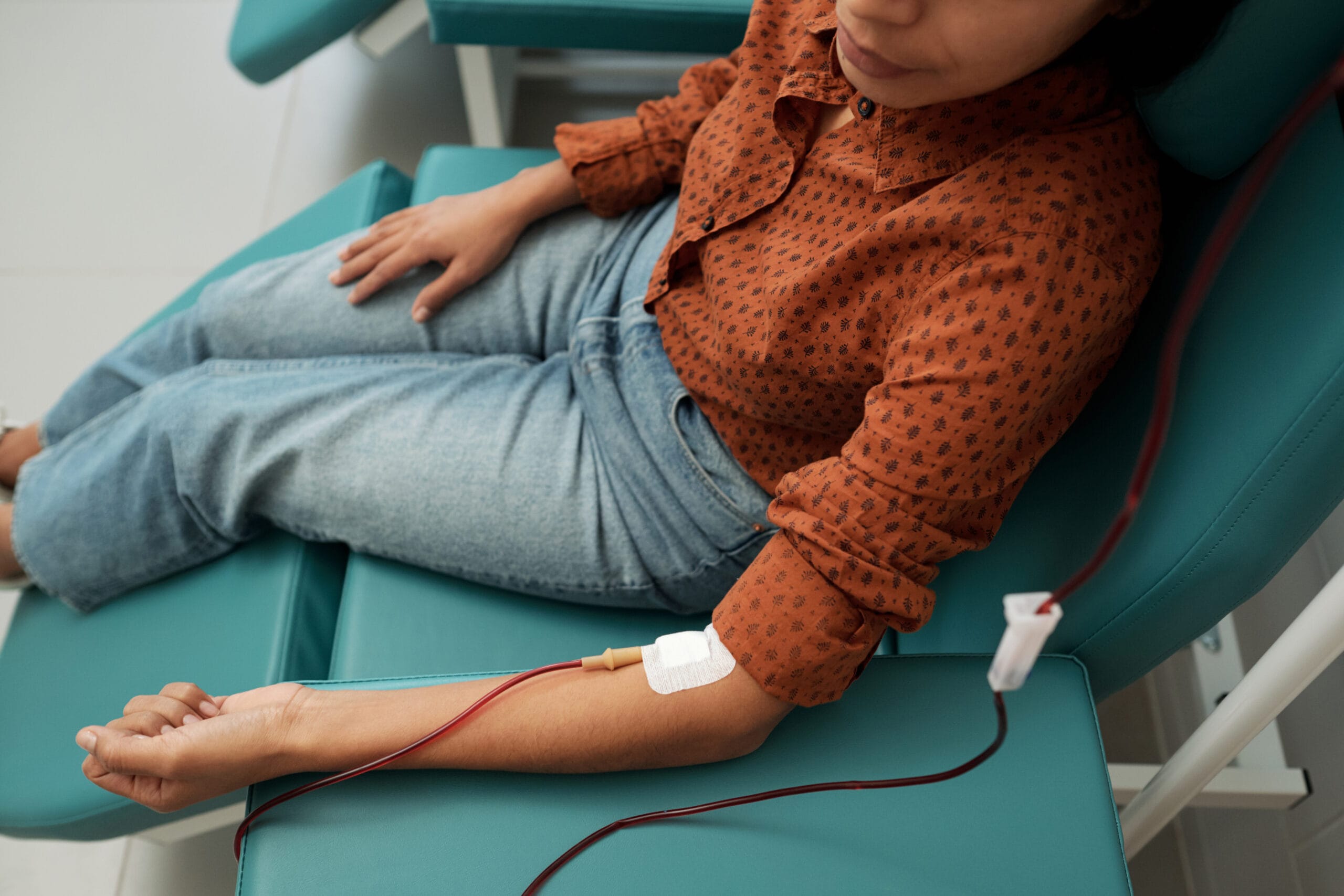
Even though people have become more aware of heart diseases and overall well-being, blood disorders are one of the least studied areas of medicine. The beliefs about the thin blood, iron pills, bruising, and fatigue make patients neglect the symptoms or even postpone the visit to a specialist, which may have disastrous results in some cases.
The mission of Heme On Call is to present the facts and break free of the myths about blood health, iron deficiency, clotting and bleeding diseases, and chronic hematologic diseases. We are specialist hematology and oncology consultants who can guide patients in understanding their diagnoses and receiving evidence-based, compassionate care.
We may begin by considering some of the most popular myths regarding blood health and iron infusions, and find out the truth not by hypothesis.
Myth 1: Iron Infusions Make You Feel Tired
Fact: Iron infusions are given to alleviate fatigue, not to create it.
Some people may feel a little fatigued or even achy immediately following an infusion, but this is just a temporary condition.
A person will more likely feel an increase in their energy levels days or even weeks after an infusion as their iron counts increase.
If you are experiencing fatigue, you should make sure to bring this up with your doctor, as an iron infusion may not be the actual cause.
Iron infusions, when administered correctly, are safe and should increase a person’s energy, rather than reduce it.
Myth 2: Iron Infusion Side Effects Can Be Hazardous to Your Health
Fact: Iron infusion is a treatment that can be well tolerated by most patients. Some patients may encounter mild reactions or side effects, which may manifest as a metallic taste, headache, flushing, or a change in body temperature, but this will all be over by the end of the infusion, as serious reactions are uncommon, especially with the new forms of iron that are now widely practiced and administered. You will be closely observed by the infusion room attendants, and if you feel as if you are undergoing discomfort, they are fully capable of providing relief immediately. Iron infusion is a safe procedure, and its side effects are easy to handle.
Myth 3: Flushing During or After an Iron Infusion Is a Sign of an Allergic Reaction
Fact: When you feel a warm or flushed sensation during an iron infusion or shortly thereafter, this could just be a temporary response to the infusion as it is processed by your body, rather than an allergic reaction.
A warm or flushed sensation may pass relatively quickly and does not necessarily signal a problem.
Iron infusions are well tolerated by the vast number of people undergoing the treatment.
Side effects associated with an iron infusion may include flushing, but this symptom will often pass, as the infusion treatment is safe.
When you are flushed, experiencing difficulties breathing, chest pain, or swelling, you should notify a member of our care team, although an individual experiencing a mild flush alone does not have any serious concerns whatsoever.
Myth 3: Joint Pain After an Iron Infusion Means You’re Having a Serious Reaction
Fact: Some people may experience discomfort or pain around their joints a day or two after an iron infusion, but this is a normal, temporary reaction as your body adjusts to the iron. It’s not an indication of a severe reaction, nor is it a sign that you’ll be harmed by the infusion. More likely, it simply means your body is responding to the iron, and your immune system will take care of it. Symptoms usually fade within a couple of days. Iron infusion is, by far, a generally painless and efficient procedure, and any discomfort is typically just a mild side effect.
Myth 4: Many people experience dizziness during or after iron infusions.
Fact: Iron infusions can cause side effects like dizziness, though not everyone will experience this. Other possible side effects include headache, nausea, or flushing. If someone feels dizzy, they should let their healthcare provider know during the infusion.
Myth 5: High Blood Pressure is a Sure Sign Of So-Called Thick Blood
Truth: Not all blood pressure is blood thickness. The higher number is systolic blood pressure, or the force against your artery walls with each beat of your heart, and not the thickness of your blood.
Individuals with high blood pressure might possess very normal blood viscosity and vice versa.
We regularly encounter such a patient in our hematologists because they are on blood pressure medicine and are concerned that it will make them ineligible to donate blood or indicate a blood disorder. In practice, the control of hypertension hardly influences eligibility to give blood or to be treated.
The American Heart Association underscores the fact that it is not only your heart that is being helped by controlling blood pressure, but also your blood vessels and chances of developing heart disease and stroke, which is the number one cause of death in the U.S.
Myth 6: You Have A Sudden Bruise, So You Must Have A Serious Disease
Fact: When skin becomes thin with age, it is often easy to bruise even with a small bump, which is normally harmless.
Nevertheless, chronic or unexplained hematoma can indicate platelet disease, e.g,. ITP (immune thrombocytopenia) or von Willebrand disease.
In Heme On Call, we employ the use of high-level blood tests to draw the line between normal bruising and more rare bleeding conditions that need attention.
Myth 7: Blood Clots Only Affect Older Adults
Fact: Bloom clots may occur in anyone. The condition often happens if you have flown long-distance, undergone surgery, or are taking medication. Young adults may even experience a deep vein thrombosis or pulmonary embolism.
Some people may have inherited risk factors that accelerate the clotting process, mainly in people with a family history of cardiovascular disease or type two diabetic patients.
Having experienced a clot, the specialists of Heme On Call could work out a strategy to manage the viscosity of blood safely, reducing the threat of heart disease without excessive prescribing or unreasonable concern.
Myth 8: When My Blood Tests Are Normal, I Do Not Need A Specialist
Fact: Not all the bloodwork routinely shows the picture. Some of the myeloproliferative diseases, such as Polycythemia Vera or Essential Thrombocythemia, can show mild lab alterations even before the onset of the disease.
Our hematological staff is able to look beyond the superficial figures to identify early abnormalities that might suggest the risk of disease, red blood cell abnormal production, or alterations in the arteries that affect the heart.
Myth 9: Telemedicine Is Incapable or Inadequate For Dealing With Serious Blood Conditions
Fact: A high number of hematologic problems can be addressed in a virtual environment where it is safe and effective.
Based on the examination of laboratory data for the administration of anticoagulants, the telehematology model proposed by Heme On Call will allow the specialist to consult the patient directly.
We also liaise with your local team on any on-site requirements,s and this has ensured that there is continuity of care without having to travel long distances and wait.
You are able to book a quick health check online, check medications, and ask health questions all in a few minutes.
Myth 10: Unless They Are Ill, Older Adults Do Not Need To See A Hematologist
It is a fact that proactive blood care has no age limit. Actually, the elderly people are susceptible to anemia, clotting, as well as cardiovascular complications.
As the American Red Cross warns blood donors that they can give blood after every 56 days as long as they are healthy, so should we remind the patients that regular monitoring, even every four to six months, is essential to detect the subtle changes at their earliest.
Myth 11: Use Of Medication Means That I Am Unable To Have Blood Tests Or Specialist Care
Fact: The vast majority of drugs, prescribed by doctors to treat heart disease, diabetes, or thyroid disorders, do not interfere with the hematology testing or treatment.
The time of the lab may be only altered by specific drugs (such as chemotherapy or potent antibiotics).
In case of any confusion regarding a drug that may disqualify or have any interference with tests, you should also talk about it during your consultation. Our hematologists constantly examine your health and travel history, the latest dose, and prescriptions, and advise further actions.

Why Knowing the Facts About Blood and Heart Health Matters
Blood myths and myths about heart health may cause a blurred boundary between what is normal and what is not.
The truth is:
- A good number of general blood disorders are treatable and benign.
- Learning the risks to your heart and blood health makes it possible to prevent complications before they occur.
- Any person is eligible to donate blood but what is, of more importance, is that everyone is eligible to get informed about their own blood health.
At Heme On Call, we hope to bust some myths, empower, and avail ourselves with knowledge to the patients without adding any needless fear and confusion to the matter.
It could be blood pressure, it could be checking the red blood cell changes, or it could be checking heart disease; all the informed decisions will help your body realign to normal and strengthen, just as the red cells renew themselves every four to six weeks.
Since you can not always give as much as you wish where your blood is concerned, but what matters is what you are getting in your blood with each eight or ten minutes of each beating of your heart.