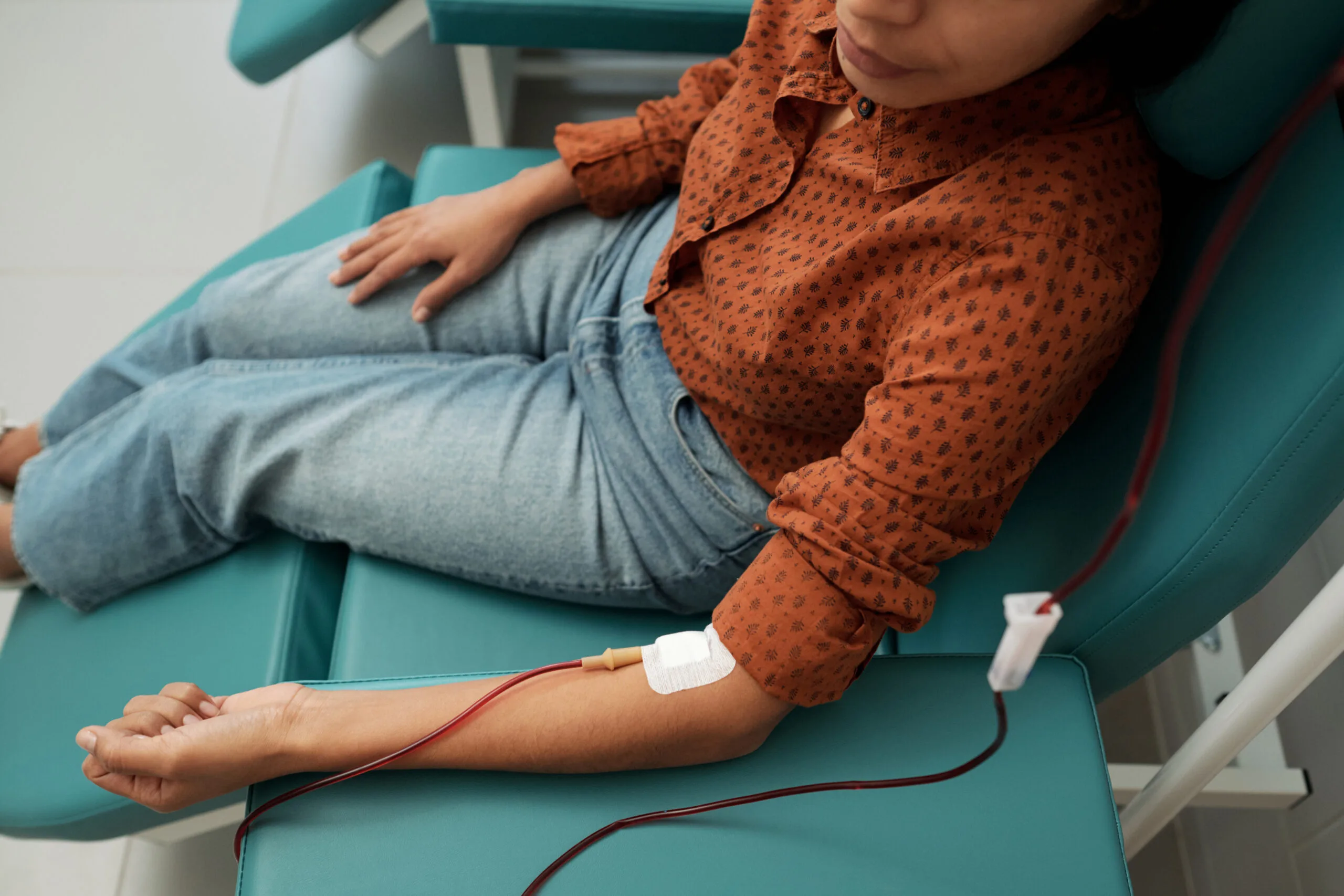
Stress, problems with sleeping, or busyness are considered to be the cause of mood changes. It has, however, been found that iron deficiency may be one of the most ignored causes of emotional and cognitive symptoms. Iron is an essential element which participates in the development of the brain, the formation of neurotransmitters, and oxygen supply. The brain is one of the earliest systems affected by a decrease in iron levels.
However, the studies shown in the article for Nutrients by The Journal of Psychiatry and Neuroscience proved that low iron, iron-deficiency anemia, and mental issues are interdependent. These are depressive symptoms, anxiety disorders, irritability, loss of concentration, and stress sensitivity.
A few patients who make regular visits to us at Heme On Call look fatigued, both mentally and physically, without realizing that their mood may be affected by their iron deficiency.
Early diagnosis of iron deficiency gives the chance to re-establish normalcy and prevent anemia.
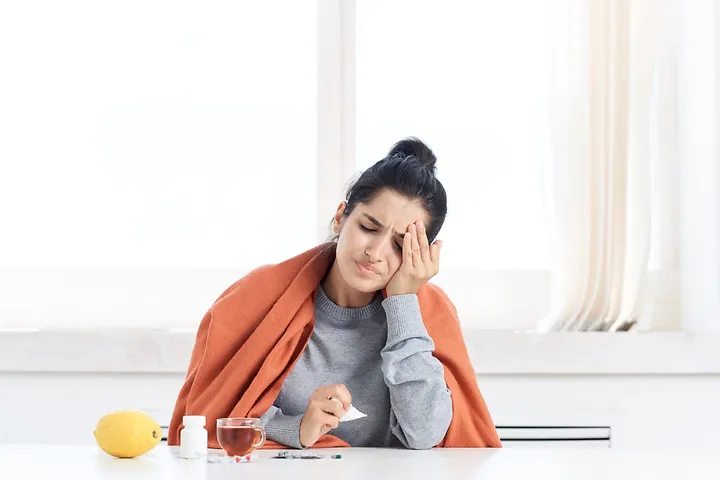
How Iron Deficiency Affects Mood And Emotions
Iron plays a great role in the body, but it has a significant impact on both emotional and behavioral functioning. The brain utilizes the stored iron to support neurotransmitters in order to maintain the balance between stress and facilitate the emotional behavior processes. Mood alterations are usually exhibited in the iron stores before the onset of the physical symptoms.
The significant mechanisms in which iron impacts mood and mental health are:
- Neurotransmitter production: Iron is required to synthesize serotonin, dopamine, and norepinephrine, which are chemical that induces emotions.
- Oxygen Nutrition: the low iron levels in serum inhibit the delivery of oxygen to the brain, which affects the clarity level, motivation, and mental function.
- Myelination: Iron deficiency at its initial stages can harm the formation and restoration of the nerve pathways that determine and stabilize moods.
- Stress response: The low iron body will alter the hypothalamic-pituitary-adrenal (HPA) axis, rendering the individual susceptible to stress.
- Behavioral changes: Certain behavioral changes related to iron deficiency have been noted, such as irritability and restlessness.
Through such processes, patients with iron deficiency anemia are likely to report various symptoms of depression, anxiety, brain fog, and lack of proper emotional balance. Research has also indicated that iron deficiency without the state of anemia can also affect rhythm and cognitive functioning.
The restoration of the correct amounts of iron will stabilize the emotional moods and boost the overall state.
Common Emotional And Physical Symptoms Of Low Iron
The symptoms of iron deficiency can manifest in many forms, and emotional changes can be among the first. These alterations do not cause one to initially consider them as health related, but even before iron-deficiency anemia attains its full manifestation, slight alterations of mood and ways of thinking may have taken place.
Low iron correlates with typical emotional and physical symptoms, and these are:
- Hypersensitiveness or irritability of feelings.
- De-motivation or mental weakness.
- Heightened worry or anxiety.
- Unquiet weariness which cannot be relieved.
- There is a tendency to have headaches or headiness.
- The failure to sleep or rejuvenating sleep.
- Loss of focus or perpetual brain fog.
These symptoms can become a vicious circle. Sleep deprivation contributes to mood, chronic fatigue reduces resiliency, and cognitive fog enhances stress – it is difficult to distinguish between the usual burnout and a lack of nutrients. When it is actually the low levels of iron that can cause the issue of the brain being unable to regulate both the mood and the energy, most tend to theorize about it being stress or overwork.
There are groups that are more at risk. Unexpectedly, iron metabolism alterations are typical of women with heavy menstrual cycles, pregnant women, adolescents, and individuals with chronic illnesses. These alterations reduce the amounts of iron and predispose the development of emotive as well as physical symptoms when the iron stores begin to diminish.
How To Diagnose Iron Deficiency: What To Investigate
The widespread opinion among individuals is that one should consider anemia only as a symptom of iron deficiency, which is not so. Women tend to get iron deficient without any notice. By the time anemia presents itself, it may already have serious symptoms. That is why there is a necessity to check not only hemoglobin but iron stores as well.
A full iron panel is made up of ferritin, serum iron, total iron-binding capacity, and transferrin saturation. Ferritin is also very helpful as it shows the stored iron. The system is already at low levels of ferritin, and this is an indicator that there are problems even before the hemoglobin levels begin to decline.
The test can be useful to individuals who experience mood change, unremitting fatigue, or are mentally in the fog. The Hematology specialists at Heme On Call are available on call to examine the results of blood tests, symptoms, and medical history, and the potential causes of blood loss during iron or inefficient iron absorption. The right diagnosis will allow drawing up the right management plan, which will satisfy the patient’s needs.
Treatment And Restoration Of Healthy Iron Levels
The treatment of iron deficiency may significantly increase the degree of clarity, emotional stability, and energy. The type of treatment depends on the degree of deficiency, etiology and the tolerability rates of the individual to various forms of iron supplementation.
Ordinary treatments are:
- Food changes: Consuming more non-heme sources of iron (beans, lentils, and green leafies), or more heme sources of iron (poultry and red meat).
- Oral iron supplements – a common first-line drug in the situation of depleted iron, where absorption or intolerance is not a problem.
- IV iron therapy – faster and more predictable at raising the levels. It can also be given when oral iron fails, or the gut system cannot take it.
- Maximization of the absorption – iron will be taken with vitamin C and other drugs.
- Follow-up and monitoring – the iron stores should be monitored to guarantee that they are neither too many nor too few to recur.
Treatment with low iron in most cases leads to emotional resilience, decreases anxiety, and lowers depression symptoms. This is in line with scientific facts that iron supplementation extends beyond physical health and may be in support of better emotional functioning.
In the case of Heme On Call, the iron therapy is based on the labs, symptoms, and overall health status. Our crew helps the patients to make the decisions on the type of iron being utilized, and the amount to take and the most effective and safe way of taking the medication.
What Better Iron Levels Would Mean For You And Your Mental Health
The common yet little-known cause of mood changes and emotional instabilities is iron deficiency. Due to the fact that iron is an essential element in the creation of neurotransmitters, the delivery of oxygen, and the processes of the brain, a minor deficiency can affect the manner in which a person feels and thinks.
The information regarding the correlation between low iron conditions and emotional symptoms will create early intervention opportunities. After proper testing and treatment of people, people will be much happier, energetic and clearer.
In case a change in your mood has also occurred without any obvious cause, it is just a simple and necessary action to estimate your iron level. Your iron stores can also help you restore your emotional balance.
Call us for professional assistance at Heme On Call. We can help you achieve better levels, giving you a healthy and sound mind and body.