Up to 40% of people living with chronic insomnia also show signs of low iron. For years, sleepless nights were blamed on stress, poor habits, or aging. But mounting research reveals something more hidden, and more correctable. Iron deficiency is a key factor in sleep disorders, restless leg syndrome (RLS), and overall sleep quality.
When iron is too low, the brain has trouble balancing dopamine, a chemical that helps control movement and your sleep–wake cycle. The imbalance leads to restless nights, multiple awakenings, and ongoing insomnia symptoms, problems that most sleep remedies ignore.
We will learn you about the connection between insomnia syndrome and low iron, why it’s crucial to have healthy iron levels to enjoy quality sleep, and the treatments that can make a huge impact.

What Is Sleepless Syndrome?
Sleepless syndrome is most commonly called a long-term battle of falling asleep, staying asleep, or waking up too early. Sleepless syndrome is not a recognized medical condition in itself, but the term is commonly used to describe chronic sleep disturbance and insomnia interrupting normal life.
The symptoms commonly include:
- Difficulty falling asleep despite feeling tired
- Waking up multiple times at night
- Poor sleep quality (feeling unrefreshed in the morning)
- Daytime fatigue and difficulty concentrating
Many people think insomnia is caused by stress, anxiety, or everyday routines alone. But more and more research finds there is a pivotal link between disrupted sleep and iron deficiency.
The Role Of Iron In The Body
Iron is among the key minerals found in the human body. It assists in the formation of hemoglobin, the red blood cell protein that transports oxygen through the bloodstream. If the body lacks sufficient iron, it cannot effectively transport oxygen, causing fatigue and weakness.
Iron also supports the production of energy and healthy brain function. That’s not just about how charged you are throughout the day, but also how well your body and mind rebound at night.
Iron also plays the critical role of controlling neurotransmitters, specifically dopamine. Dopamine influences movement, as well as the body’s normal sleep–wake cycle. Low iron can mess up this balance and make it harder to sleep right.
When iron levels get too low, the body struggles to supply enough oxygen to the brain and the muscles. The ultimate effect can be daytime fatigue, confusion in the mind, and nighttime sleep disturbances, like restless sleep disorder, that are often overlooked by mainstream sleep medicine.
The Hidden Link Between Low Iron And Sleep Disturbances
Low iron doesn’t just make you tired during the day. It also has a powerful effect on how well you sleep at night. Research shows that iron deficiency is linked to several sleep disorders, from restless legs syndrome to ongoing insomnia. These connections highlight why checking your iron status is so important for anyone dealing with chronic sleep problems.
1. Restless Leg Syndrome (RLS) And Periodic Limb Movements In Sleep
Low iron doesn’t just cause daytime fatigue. At night, it often appears as restless legs or repeated jerking movements that break up deep sleep. Research highlights two of the strongest links between iron deficiency and sleep problems.
At a glance, here’s what you should know:
- RLS creates a powerful urge to move the legs at night, making it hard to stay still.
- PLMS causes recurrent jerks that pull you out of a deep sleep.
- Both conditions are also strongly associated with low brain iron, even if blood levels are normal.
RLS is one of the most noticeable ways that iron deficiency interferes with sleep. The urge to move the legs will typically begin just as you’re trying to fall asleep, and it can continue throughout the night, with sleep remaining disrupted.
Research confirms that low iron in the brain exists in numerous RLS patients, despite normal routine blood work. PLMS adds to this complexity with the involuntary leg movements, making sleep quality poor and the person tired the next day. If nighttime leg urges or jerks are disturbing your sleep, it’s worth having serum ferritin levels checked and discussing treatment with a practitioner.
2. Insomnia And Iron Deficiency
Low iron’s effect is not seen only with RLS. Scientists also found an unequivocal connection between anemia and insomnia. Those with iron-deficiency anemia or near-borderline lower serum ferritin concentrations are more likely to experience trouble falling asleep, have two or more insomnia symptoms, and have shorter and more disrupted sleep.
This suggests that iron deficiency may be the root cause of much otherwise stress-or lifestyle-related chronic insomnia.
3. Restless Sleep Disorders In Children And The Elderly
The relationship between iron and sleep is especially significant in vulnerable populations. Children with restless sleep disorder or pediatric restless legs syndrome typically have low ferritin levels, and studies show they often respond to oral iron supplementation.
Older adults are also at higher risk. Patients with anemia usually report more disrupted sleep, and untreated low iron exacerbates memory, mood, and quality of life. Medical treatment of iron status in these populations restores not only better quality sleep but also long-term well-being.
Iron deficiency is not just a blood disorder; it actually affects the brain and body directly and often disrupts sleep. Recognizing its relationship to RLS, insomnia, and restlessness at night in kids and the elderly can lead to earlier diagnosis, better treatment, and better nights of sleep.
Signs And Symptoms Of Iron Deficiency That Affect Sleep
If you’re experiencing restless sleep and wake behaviors, it may be worth checking your iron status. Common signs of iron deficiency and restless sleep problems include:
- Insomnia and sleep issues despite good sleep hygiene
- Restless legs syndrome and periodic limb movements
- Daytime fatigue, brain fog, or irritability
- Weakness, shortness of breath, or pale skin
- Poor concentration or frequent headaches
Children can display signs in a different way, e.g., child movements in restless sleep disorder, hyperactivity, or school trouble concentrating. Immediately you start noticing any of these signs and symptoms, make sure to contact a hematology expert as fast as you can.
Benefits Of Consulting A Hematology Expert
When sleep issues are linked to iron deficiency, working with a hematology expert offers clear advantages. These specialists go beyond basic lab results and create treatment plans that are tailored to your needs.
1. Accurate Diagnosis
A hematologist can look deeper than routine blood work. They check markers like serum ferritin, serum iron, and hemoglobin to determine whether you’re dealing with iron deficiency anemia or another blood-related condition.
2. Personalized Treatment
Not every patient responds the same way to iron therapy. A hematology expert can recommend the right option, whether oral iron, intravenous iron, or a combination, based on your health history and iron status.
3. Safer Care
A lack of iron can lead to tiredness and sleep disorders, but excessive iron may also be dangerous. Hematologists closely watch your levels to ensure treatment is not only effective but also safe.
4. Long-Term Outcomes
By treating the root blood problem instead of merely the symptoms of sleep, hematology treatment can enhance sleep quality and overall health in the long term.
5. Comprehensive Support
Hematologists typically collaborate with sleep medicine doctors and primary care doctors. The group ensures that all your health aspects, sleep, blood, and energy, are considered together.
Seeing a hematology specialist means uncovering the root cause, not just the symptoms; the results will eventually lead to better sleep, higher energy, and overall health. Getting a specialist ensures that your root cause of sleep disruption is not merely diagnosed but properly treated. For individuals who are willing to make a change, the team at Heme On Call offers professional hematology services designed to restore balance and improve quality sleep.

Treatment Choices: Improving Sleep Through Regulation Of Iron
Treating iron deficiency differs based on its cause and severity. Some can cope with minimal dietary modification. Others may need supplements or additional therapies. The following are the most common ways.
Nutrition
The fastest spot to improve iron is in the food; choose iron sources and pair them with vitamin C for the sake of enhancing absorption.
- A balanced diet is the start of facilitating healthy iron levels.
- Animal and plant foods contain iron.
- Vitamin C helps your body absorb iron.
- Lean meat, poultry, and fish supply a good amount of iron per meal.
Vegetarians and vegans can use leafy greens, beans, lentils, and fortified cereals as good alternatives. Pair these foods with vitamin C-rich foods like citrus fruits, tomatoes, or bell peppers to maximize absorption. Over time, this pairing can improve iron status and lead to better sleep.
Oral Iron Supplements
If dieting alone is not enough, oral iron is typically prescribed by physicians. It is the primary treatment for a slight deficiency.
Clinical evidence suggests that oral iron supplementation can reduce restless legs syndrome symptoms as well as sleep disturbance in restless leg syndrome. Side effects such as constipation or stomach upset may occur, and medical advice thus becomes necessary.
Intravenous Iron Therapy
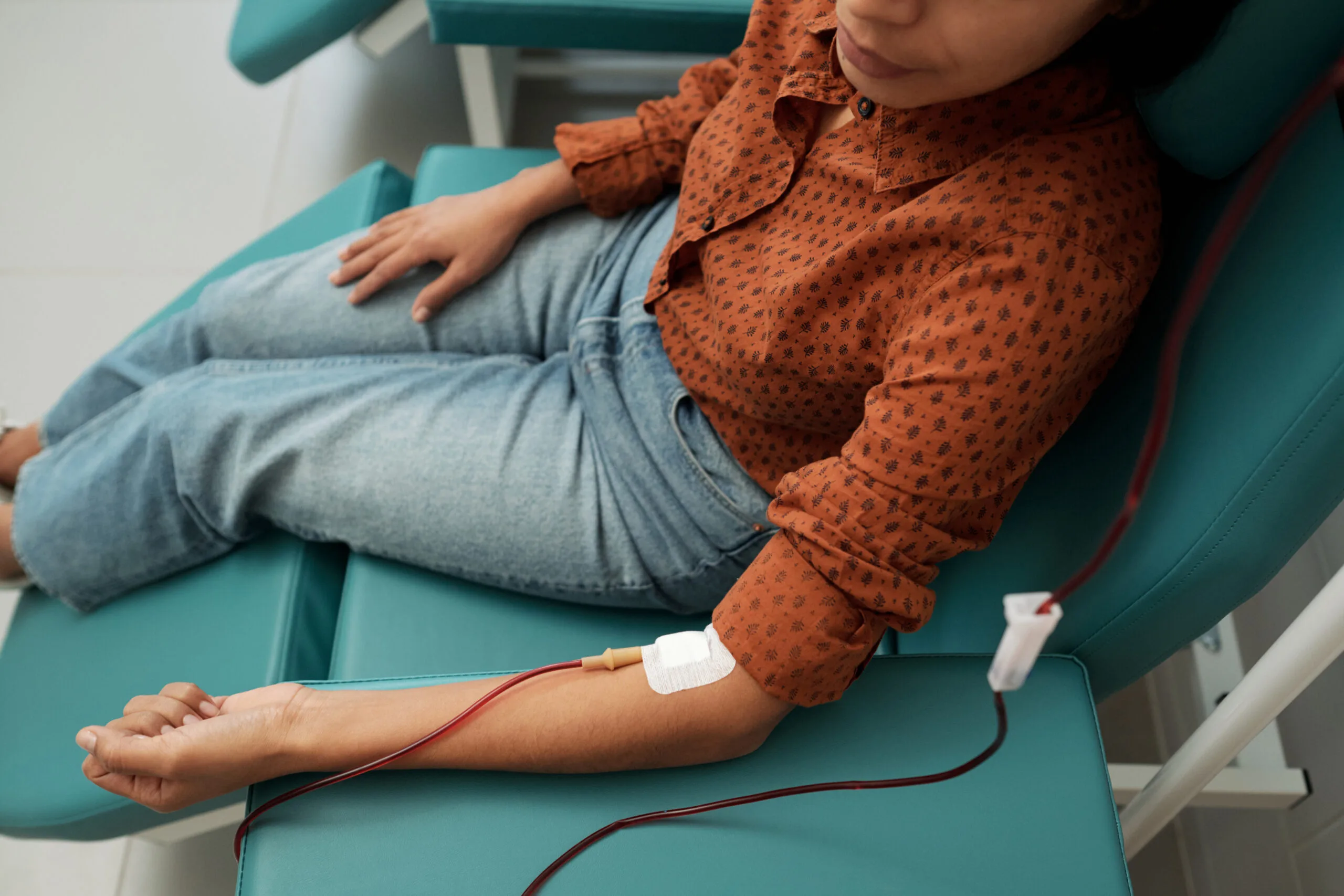
For non-responders to oral iron or for those with severe deficiency, intravenous (IV) iron can be an option. Delivered directly into the blood, IV iron is sometimes more effective than oral supplementation.
Various studies show that IV iron will reduce sleep disturbances in individuals with iron deficiency anemia and those with restless legs syndrome. Always a therapy to be managed by a specialist, safety and efficacy are paramount.
Sometimes, on the other hand, anemia is a symptom of some other medical condition, such as heavy menstrual bleeding, chronic illness, or developmental disorders of sleep or restlessness. Then, even if this is the case, it is just as important to treat the underlying cause rather than the iron deficiency itself.
Restoring the normal sleep regime requires an overall understanding of the patient’s health. A hematology expert can help uncover and treat these underlying factors.
The Heme On Call Approach
At Heme On Call, we specialize in blood health and how it shapes overall wellness. Because we are a hematology practice, we don’t just treat symptoms; we search for the root causes of iron deficiency anemia and how they connect to problems like restless sleep and insomnia.
Our team stays up to date with the latest findings from the Restless Legs Syndrome Study Group and advances in sleep medicine. Through accurate diagnosis, proper use of iron supplements, and individualized therapies, we help patients restore healthy sleep duration and quality of life.
If you are experiencing restless nights, insomnia, or unexplained exhaustion, it may be time to evaluate your iron health. Schedule a consultation with Heme On Call today and take the first step toward better sleep and renewed energy.
Learn more at Heme On Call.