Iron deficiency doesn’t just sap physical strength. It also undercuts the brain’s chemical machinery. When ferritin reserves dip, the enzymes that build dopamine, serotonin, and norepinephrine slow down, leaving motivation flat, sleep restless, and anxiety humming beneath the surface.
Because hemoglobin can stay “normal” for months after ferritin crashes, many people cycle through talk therapy and medication tweaks without anyone suspecting that a missing mineral lies at the heart of their low mood and mental fog.
According to the World Health Organization, iron deficiency affects nearly 30% of the global population. Its impact on mood disorders is often overlooked.
We’ll examine innovative testing strategies, outline diet and supplement fixes, and show when intravenous therapy becomes the fast track back to clarity—delivered, if needed, through Heme On Call’s at-home infusion network. By the end, both patients and clinicians will see why adding a simple ferritin test to the work-up can shorten the road from exhaustion to equilibrium.

Why Iron Matters To The Brain
Iron is famous for carrying oxygen in red blood cells. Yet, inside the nervous system, it serves as an indispensable co-factor for enzymes that manufacture dopamine, serotonin, and noradrenaline, the chemicals that balance mood, kindle motivation, and keep attention steady.
When iron stores are depleted, those enzymes slow down, neurotransmitter output drops, and electrical signaling through the cortex becomes stuttered. People notice the change indirectly: colors look dull, ordinary tasks demand heroic effort, and sleep leaves them unrefreshed. Because the brain keeps only a tiny reserve pool, these emotional headwinds can appear months before standard blood tests detect anemia.
When iron is low, these pathways sputter:
- Reduced dopamine production can leave you feeling unmotivated and down.
- Lowered serotonin levels may worsen mood swings, irritability, and anxiety.
- Compromised myelin integrity slows neural communication, contributing to “brain fog.”
At Heme On Call, our mission is to elevate understanding of these intricate connections, ensuring you don’t dismiss mood changes as “just stress.”
The Link Between Low Iron, Depression, and Anxiety
Large population datasets reinforce those clinical stories. Analysis of the U.S. National Health and Nutrition Examination Survey found that roughly 10% of American women of reproductive age have ferritin levels below 15 micrograms per liter.
That group reports significantly higher rates of depression, anxiety, and insomnia. In Taiwan, a database tracking over one million older adults found that iron supplementation, either oral or intravenous, was associated with a measurable reduction in the incidence of new-onset depression.
Canadian researchers have reported that postpartum women with anaemia score higher on the Edinburgh Postnatal Depression Scale than iron-sufficient new mothers. Taken together, these findings suggest that low iron is not merely a marker of ill health. It is an active driver of mood disorders.
Multiple other studies have also highlighted a bidirectional relationship between iron deficiency and mood disorders:
- Depression Correlation: People with iron deficiency anemia are up to twice as likely to suffer from clinical depression compared to those with normal iron levels.
- Anxiety Amplification: Low iron can heighten the body’s stress response by dysregulating cortisol levels, making you more prone to persistent worry and panic attacks.
- Sleep Disruption: Iron plays a crucial role in regulating melatonin; deficiency can lead to insomnia, which in turn exacerbates mood disturbances.
By recognizing this link, you empower yourself to seek targeted interventions instead of generic antidepressants that may not address the underlying cause.
Iron-Deficiency Anemia Is More Than Pale Skin
Classic iron-deficiency anemia develops after a prolonged negative balance. The body first empties ferritin, then, when no iron remains in reserve, hemoglobin production declines, red blood cells shrink, and oxygen delivery suffers.
Fatigue, headaches, breathlessness, and an odd craving for ice follow. However, mental health changes surface earlier, during the latent phase, while hemoglobin still looks normal on paper. A 2023 meta-analysis of twenty-six studies showed that adults with iron-deficiency anemia were almost twice as likely to screen positive for major depressive disorder compared with iron-replete peers.
Clinicians observe the same pattern daily: a diligent student loses motivation, a new parent slides into apathy, and laboratory results reveal a ferritin level of 8 micrograms per liter, despite a hemoglobin level of 12. Raise the stores, and within weeks, the fog starts to lift.
Recognizing the Warning Signs Of Low Iron Deficiency
When iron levels dip below what your body needs, the earliest signs can be subtle and easy to dismiss as “just stress.” But catching these warning flags early is the first step toward preventing more serious fatigue, mood changes, or even cardiovascular strain.
Here’s what to look for:
- Persistent Fatigue and Weakness
- Brain Fog and Poor Concentration
- Mood Swings, Irritability & Anxiety
- Unusual Cravings or Pica
- Pallor: Look for a noticeable loss of color in your face, the inner eyelids, or nail beds.
- Brittle or Spoon-shaped Nails (Koilonychia): Thin, fragile nails that curve upward.
- Headaches & Dizziness: Reduced oxygen in the brain can trigger tension headaches or lightheadedness.
- Restless Leg Sensations: An uncontrollable urge to move your legs at night can be linked to low iron in the nervous system.
If you recognize two or more of these signs (especially alongside mood changes) ask your provider for a complete iron panel (including ferritin, hemoglobin, and transferrin saturation). At Heme On Call Diagnostics, our experts interpret these labs in context, so you get a clear picture of whether iron deficiency is behind your symptoms and how best to treat it.
Could Low Iron Worsen Anxiety And Sleep Disorders?
Dopamine dysregulation underlies more than low mood. Falling iron amplifies glutamate, the brain’s primary excitatory transmitter, leaving the autonomic nervous system idling at high speed.
Patients describe a feeling of internal restlessness or the sensation of being unable to switch off. A University of Michigan pilot trial treated iron deficiency in individuals whose anxiety had not responded to therapy; sixty percent achieved remission once their ferritin levels rose above 30 micrograms per liter.
Sleep labs offer parallel evidence: chronic insomnia, restless leg syndrome, and periodic limb movement disorder all correlate with low ferritin levels. Several small trials have shown that iron therapy improves sleep quality and daytime alertness.
The overlap extends to obsessive-compulsive disorder and attention-deficit hyperactivity disorder, both of which feature dopaminergic imbalance. Several pediatric trials report that raising ferritin above fifty micrograms per litre improves ADHD symptom scores almost as effectively as stimulant medication, albeit more gradually.
Testing Your Iron Levels The Right Way
Haemoglobin alone can miss nearly half of iron-deficient cases. A complete panel should include:
- Ferritin – reflects stored iron; many clinicians target at least 30 µg/L when mental-health symptoms are present
- Serum iron and transferrin saturation – snapshots of circulating iron and available transport capacity.
- Total iron-binding capacity (TIBC) – rises when reserves are depleted.
Repeat ferritin every four to six weeks during treatment. Timely monitoring prevents both under-replacement and dangerous overload, which can injure the liver and intensify oxidative stress in the brain.
Avoiding Iron Deficiency — Diet, Lifestyle, And Supplements
Food is first-line therapy. Heme iron from beef, poultry, and fish absorbs two to three times better than non-heme iron from beans, lentils, and leafy greens. Vegetarians can compensate by pairing plant-based sources with vitamin C-rich foods. Consider a chickpea curry with tomatoes or a spinach salad with oranges. Coffee, tea, and calcium-rich foods can inhibit iron absorption, so it’s best to take iron tablets at least two hours before or after consuming these beverages.
Building an iron-friendly plate:
- Lean red meat – a palm-sized serving supplies roughly two milligrams of highly bioavailable iron.
- Shellfish, particularly clams and oysters, are among the densest natural sources.
- Legumes and tofu – effective when combined with citrus to boost uptake.
Iron bisglycinate and polysaccharide iron complex offer high bioavailability with fewer stomach issues. Doses between 18 mg and 27 mg of elemental iron are suitable for most mild cases, while larger deficits may require 65 mg or more. If nausea or constipation occurs, switching to a different formulation or reducing the frequency usually resolves the issue.
Vitamin A and copper deficiencies can impair iron utilization; therefore, dietary counseling should consider the entire micronutrient landscape rather than focusing solely on iron. Regular aerobic exercise enhances the sensitivity of bone marrow to iron, indicating that an active lifestyle can be synergistic with dietary changes.
When Oral Iron Is Not Enough — Telemedicine Infusion Options
Some conditions make oral iron impractical: inflammatory bowel disease inflames the gut, bariatric surgery shortens it, and heavy menstrual bleeding drains reserves faster than tablets can replenish them.
When psychiatric symptoms are severe or absorption is impossible, intravenous iron becomes the quickest route back to balance. Modern high-dose formulations can replace total body stores in one or two infusions, calculated based on weight and haemoglobin deficit.
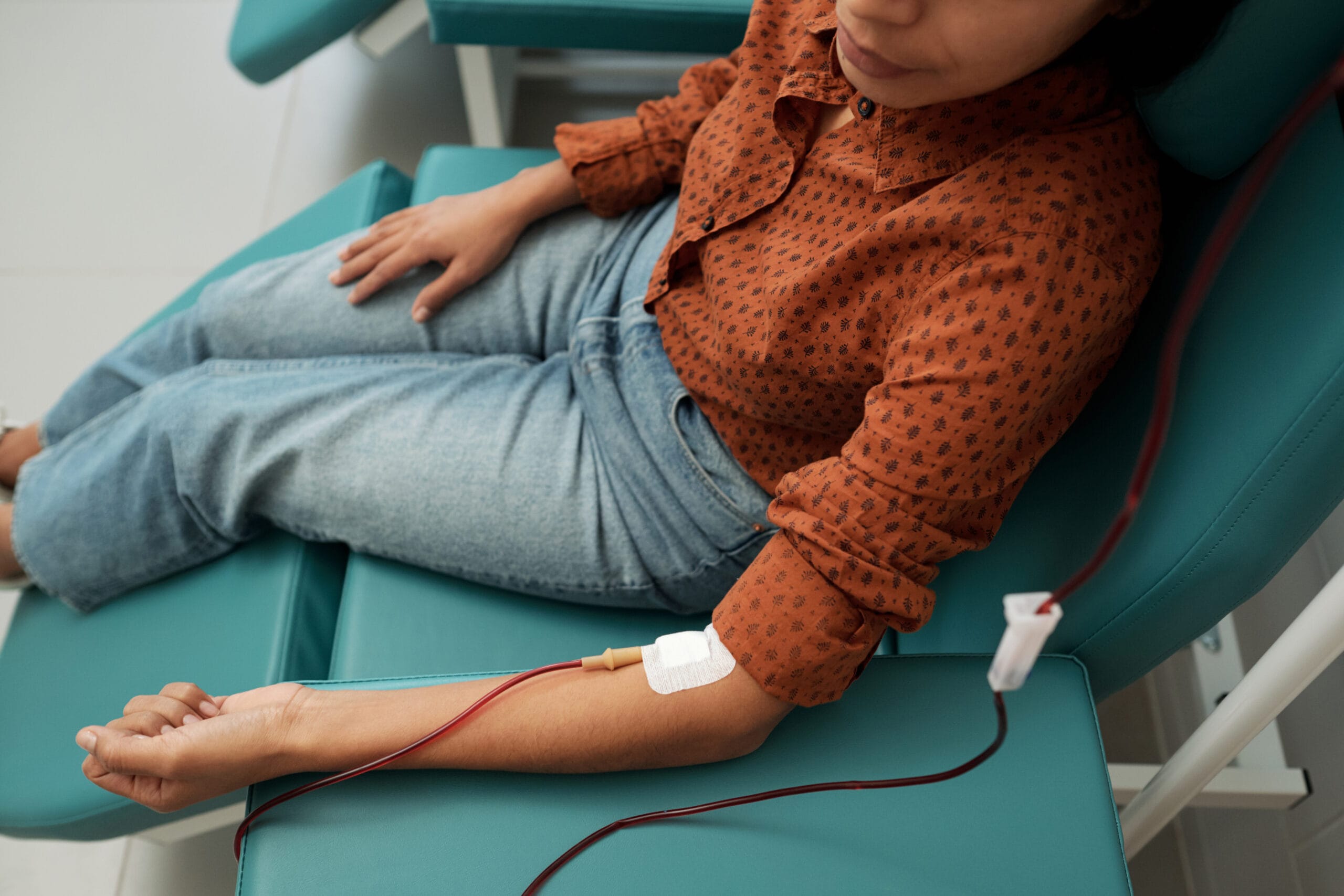
Telemedicine haematology services coordinate laboratory review, prescribe the appropriate product, and schedule infusions at nearby centres, allowing patients to recover without lengthy travel or hospital stays.
Side effects are rare; severe allergic reactions occur in fewer than one in 200,000 infusions, and most patients report only mild fatigue the day after the injection. Because replenishment happens quickly, mood and cognitive improvements often become noticeable within three or four weeks, far faster than the average response time for antidepressant medication.

Special Considerations For Women And Children
Women lose iron through menstruation, and pregnancy nearly doubles daily requirements. The American College of Obstetricians and Gynecologists recommends screening all pregnant women and repeating tests every trimester if risk factors are present.
Early correction lowers postpartum depression risk and supports fetal brain development. Children who were iron-deficient in infancy exhibit altered cognition well into adolescence. Therefore, paediatricians should measure ferritin in toddlers with restrictive diets or rapid growth, as well as in teenagers experiencing heavy menstrual periods or a vegetarian diet.
Low iron hides in plain sight, often masquerading as burnout, anxiety, or chronic insomnia. A single ferritin test can reveal the deficiency, and replenishment through food, well-tolerated supplements, or a rapid intravenous infusion usually restores vitality far more quickly than adjusting another medication.
Clinicians should include ferritin alongside thyroid, B12, and vitamin D in every psychiatric work-up. For anyone battling persistent brain fog, low mood, or restless nights, a comprehensive iron panel should be insisted upon. Correct the deficiency early, and many people regain the colour, sharpness, and drive they feared were lost forever.
Connect with the hematology team at Heme On Call for a personalised iron-repletion plan. Your mood, focus, and sleep may be only one key nutrient away from a dramatic turnaround.