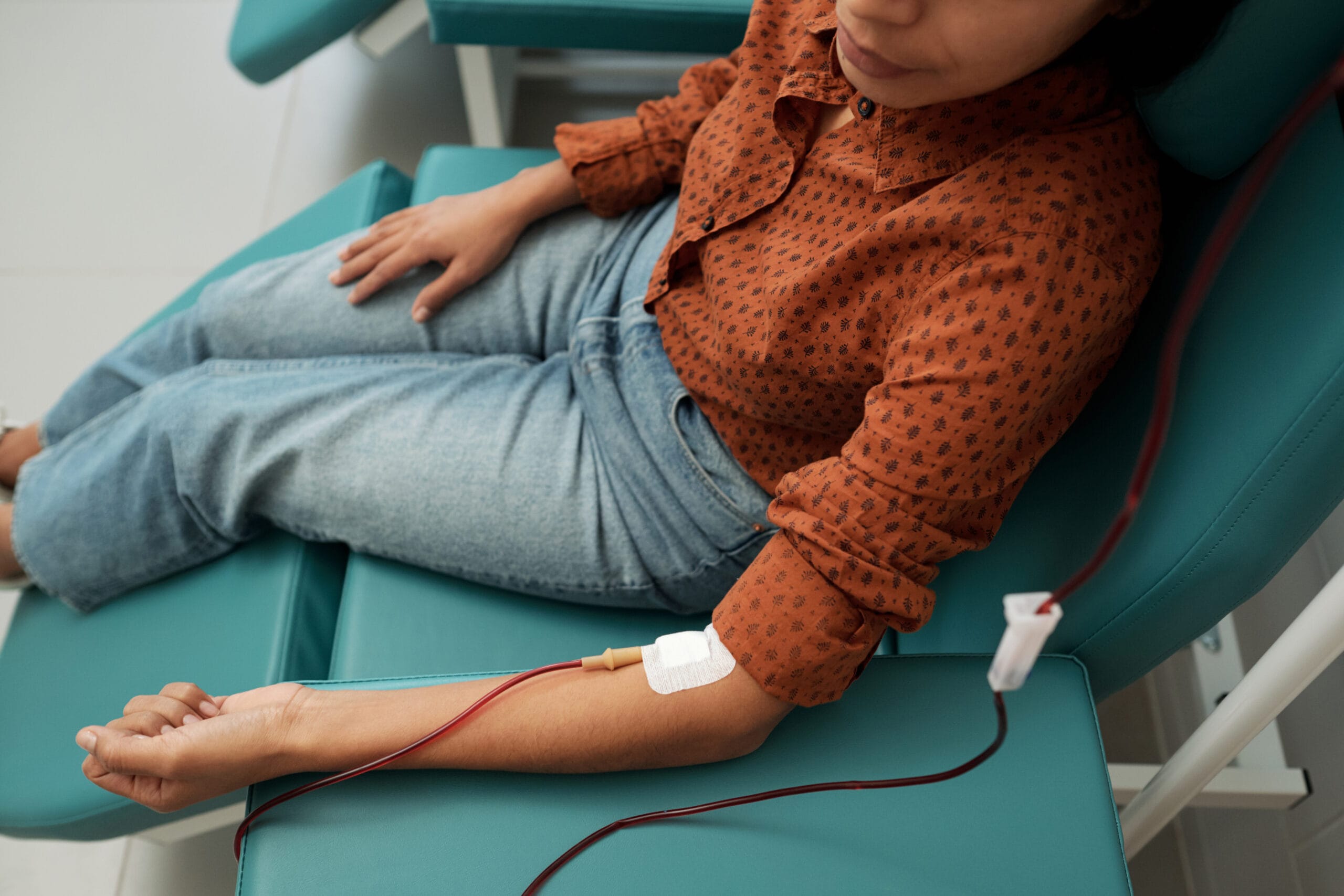
Iron is an essential mineral that plays a crucial role in our health, particularly in the production of hemoglobin. When iron levels are low, it can lead to a common cause of anemia known as iron deficiency anemia, characterized by fatigue, weakness, and shortness of breath. Patients with iron deficiency anemia often struggle with the limitations of oral iron supplements due to poor absorption and gastrointestinal side effects. For these individuals, iron infusion therapy offers a powerful alternative.
An iron infusion is a procedure in which iron is delivered directly into the bloodstream through an IV, effectively increasing iron levels and treating anemia. This type of therapy, including intravenous iron preparations like IV iron sucrose and iron isomaltoside, ensures that the body absorbs iron efficiently without the drawbacks of oral iron supplementation. Today’s iron infusions work quickly to correct anemia and replenish iron stores.
In this article, we will explore the importance of iron in the body, the impact of iron deficiency, and how iron infusion therapy can be a game-changer in the treatment of iron deficiency anemia. Let’s dive in!

Understanding Iron Deficiency
Iron is an essential mineral crucial for producing hemoglobin, the protein in red blood cells that carries oxygen throughout the body. When the body lacks enough iron, it leads to iron-deficiency anemia, a type of anemia characterized by reduced hemoglobin levels. Understanding iron deficiency is key to addressing this common health issue effectively.
Iron deficiency occurs when the body does not have enough iron to meet its needs, leading to depleted iron stores and lower hemoglobin levels. Common symptoms include:
- Fatigue and weakness
- Shortness of breath
- Dizziness or lightheadedness
- Pale skin
- Cold hands and feet
- Brittle nails
- Cravings for non-nutritive substances like ice or dirt (pica)
Common Causes of Iron Deficiency
Inadequate Dietary Intake
Not consuming enough iron-rich foods can lead to iron deficiency. This is often seen in:
- Vegetarians or vegans may not get enough iron from plant-based sources.
- Individuals with poor dietary habits do not include enough iron-rich foods like red meat, beans, and leafy greens.
Increased Iron Needs
Certain life stages and activities increase the body’s iron requirements, including:
- Pregnancy: The body needs more iron to support the growing fetus.
- Growth spurts: Children and teenagers often need more iron during periods of rapid growth.
- Intense physical activity: Athletes may have increased iron needs due to higher red blood cell turnover.
Poor Absorption
Some conditions can impair the body’s ability to absorb iron from food, such as:
- Celiac disease: Damages the small intestine, affecting nutrient absorption.
- Crohn’s disease: Inflammation of the digestive tract can interfere with iron absorption.
- Gastric surgeries: Procedures like gastric bypass can reduce the stomach’s ability to absorb iron.
Blood Loss
Losing blood reduces iron levels in the body. Common causes include:
- Menstruation: Women with heavy periods are at a higher risk of iron deficiency.
- Gastrointestinal bleeding: Conditions like ulcers, hemorrhoids, or cancers can cause internal bleeding.
- Surgeries or injuries: Significant blood loss from surgery or trauma can deplete iron stores.
Traditional Iron Supplementation vs. Iron Infusion Therapy
Overview of Oral Iron Supplements
Oral iron supplements are the most common treatment for iron deficiency anemia. These supplements come in various forms, including:
- Ferrous sulfate
- Ferrous gluconate
- Ferrous fumarate
Oral iron therapy is widely used due to its convenience and accessibility. However, it has several limitations and side effects:
- Gastrointestinal issues: Nausea, constipation, and stomach cramps are common.
- Absorption problems: Certain foods and medications can inhibit iron absorption.
- Slow improvement: It can take months to see significant changes in hemoglobin levels and iron stores.
Many patients with iron deficiency anemia find that oral iron supplements are not enough to meet their body’s iron needs. The body’s ability to absorb iron from oral supplements can be compromised, leading to suboptimal increases in iron levels.
Iron Infusion Therapy
Iron infusion therapy is a powerful alternative for patients who do not respond well to oral iron supplementation. This therapy involves delivering iron directly into the bloodstream through an IV. Here’s a quick overview of the process:
- Consultation: A healthcare provider assesses the patient’s iron levels and overall health.
- Test dose: A small amount of iron may be administered to check for any allergic reactions.
- Infusion: Iron is delivered through an IV, usually in an infusion center. This process can take from 30 minutes to several hours, depending on the iron dose and type of iron used.
- Monitoring: Patients are monitored during and after the infusion for any side effects.
Advantages of Iron Infusion Over Oral Supplements
Iron infusion therapy offers several benefits over oral iron supplements:
- Rapid correction: Infusions can quickly increase iron levels and hemoglobin, treating anemia more effectively.
- Higher doses: Larger amounts of iron can be safely administered in a single session.
- Fewer gastrointestinal side effects: Since iron is delivered directly into the bloodstream, common side effects associated with oral iron are minimized.
The Science Behind Iron Infusion Therapy
Iron infusion therapy is a highly effective treatment for patients with iron deficiency anemia who cannot absorb iron properly from oral supplements or need a rapid increase in their iron levels. This section talks about the various aspects of iron infusion therapy, from the types of iron formulations used to the detailed steps involved in the process.
Types of Iron Formulations Used in Infusion Therapy
Different formulations of intravenous iron are used to treat iron deficiency anemia. Each type has unique properties and is chosen based on the patient’s needs and response to treatment:
- Iron Sucrose: Commonly used for its good tolerance and effectiveness in increasing hemoglobin levels.
- Ferric Gluconate: Another widely used formulation known for its safety and efficacy.
- Ferric Carboxymaltose: Allows for higher doses to be administered in a single session, reducing the number of infusions required.
- Iron Isomaltoside: Known for its ability to provide large doses of iron in a single infusion, often used for patients needing rapid replenishment of iron stores.
- High-Molecular-Weight Iron Dextran: Less commonly used due to a higher risk of allergic reactions but can be effective for certain patients.
Mechanism of Action
Iron infusion therapy works by delivering iron directly into the bloodstream, bypassing the gastrointestinal tract. This method ensures that the body absorbs iron efficiently and rapidly. Here’s how it works:
- Iron Administration: Iron is delivered through an IV, typically in an infusion center.
- Absorption: Once in the bloodstream, iron binds to transferrin, a protein that transports iron to various parts of the body where it is needed.
- Utilization: Iron is used to produce hemoglobin and replenish iron stores in the body, effectively treating anemia.

Steps Involved in Iron Infusion Therapy
Consultation and Diagnosis
Before starting iron infusion therapy, a thorough consultation and diagnosis are essential. This involves:
- Medical History Review: Evaluating the patient’s medical history, including any previous reactions to iron treatments.
- Blood Tests: Conducting tests to measure hemoglobin levels, serum iron, and ferritin to confirm iron deficiency anemia.
- Assessment: Determining the severity of iron deficiency and the appropriate type of iron formulation to use.
Preparation for Infusion
Preparation for iron infusion therapy includes:
- Scheduling the Infusion: Coordinating a convenient time for the patient to receive the infusion, often at an infusion center.
- Test Dose: Administering a small test dose to check for any allergic reactions or adverse effects.
- Pre-Infusion Checklist: Ensuring the patient is well-hydrated and has eaten, as this can help minimize potential side effects.
Administration Process
The administration process involves:
- IV Insertion: A healthcare professional inserts an IV line into the patient’s vein.
- Infusion Setup: Connecting the IV line to a bag containing the iron formulation.
- Infusion: Iron is delivered slowly over 15 minutes to several hours, depending on the specific formulation and dose.
- Monitoring: Continuous monitoring of the patient during the infusion to detect any immediate reactions.
Monitoring During and After Infusion
Monitoring is a critical part of the infusion process:
- During Infusion: Watching for signs of allergic reactions or adverse effects, such as dizziness, rash, or difficulty breathing.
- Post-Infusion Observation: Keeping the patient under observation for a short period after the infusion to ensure no delayed reactions occur.
Follow-Up and Evaluation
Follow-up and evaluation are essential to gauge the effectiveness of the therapy and plan further treatment if necessary:
- Post-Infusion Blood Tests: Conducting blood tests to check hemoglobin levels and iron stores a few weeks after the infusion.
- Assessment of Symptoms: Evaluating improvements in symptoms such as fatigue, weakness, and shortness of breath.
- Further Treatment: Deciding if additional infusions are needed based on the patient’s response to the initial treatment.
Iron infusion therapy is a powerful tool in the fight against iron deficiency anemia. With its ability to rapidly increase iron levels and hemoglobin, it offers a significant advantage over traditional oral iron supplements. If you or someone you know is struggling with iron deficiency anemia, consider exploring the benefits of iron infusion therapy with Heme On Call to achieve optimal health and well-being.
Benefits of Iron Infusion Therapy
Iron infusion therapy has emerged as a vital solution for treating iron deficiency anemia, particularly for those who cannot tolerate or do not respond well to oral iron supplements. Here are the key benefits of this advanced treatment option:
Effective for Severe Deficiency and Intolerance to Oral Supplements
For many patients with severe iron deficiency anemia, oral iron supplements are simply not enough. These patients often struggle with the slow absorption and gastrointestinal side effects of oral iron therapy. Iron infusion therapy, however, delivers iron directly into the bloodstream, ensuring a higher rate of absorption and effectiveness. This method is particularly beneficial for:
- Patients with chronic kidney disease
- Individuals with gastrointestinal disorders like Crohn’s disease
- Patients undergoing chemotherapy
Rapid Relief of Symptoms
Iron deficiency anemia can severely impact quality of life, causing symptoms like fatigue, weakness, and shortness of breath. Iron infusion therapy provides rapid relief from these symptoms by quickly increasing hemoglobin levels and replenishing iron stores. This quick turnaround is crucial for patients needing fast recovery, such as:
- Pregnant women
- Athletes
- Patients preparing for surgery
Improvement in Quality of Life
Restoring adequate iron levels can significantly enhance overall well-being. Patients who undergo iron infusion therapy often experience:
- Increased energy levels
- Enhanced cognitive function
- Improved physical performance
These improvements can lead to better daily functioning and a more active lifestyle, making a notable difference in personal and professional life.
Customization of Dosage and Frequency
Iron infusion therapy allows for personalized treatment plans tailored to individual needs. Healthcare providers can adjust the dosage and frequency based on the severity of the iron deficiency and the patient’s response to treatment. This customization ensures that each patient receives the optimal amount of iron without the risk of iron overload or toxicity.
Iron infusion therapy offers numerous benefits over traditional oral iron supplementation, particularly for patients with severe iron deficiency or those who cannot tolerate oral iron.
Telemedicine: Revolutionizing Hematology Care
Telemedicine has transformed the healthcare landscape, offering unprecedented convenience and access to medical services. This innovative approach allows patients to receive care remotely, utilizing digital communication technologies. For patients with iron deficiency anemia and other hematologic conditions, telemedicine provides a lifeline, ensuring timely and effective treatment.
Benefits of Telemedicine
Telemedicine leverages technology to connect patients with healthcare providers through virtual visits. This method of care delivery offers numerous benefits, including:
- Convenience: Patients can consult with doctors from the comfort of their homes, eliminating the need for travel.
- Accessibility: Those living in remote or underserved areas can access specialist care that would otherwise be unavailable.
- Efficiency: Reduces waiting times and allows for faster appointment scheduling.
- Continuity of Care: Facilitates regular follow-ups and ongoing monitoring of chronic conditions.
How Heme On Call Utilizes Telemedicine to Provide Hematology Care
Heme On Call has harnessed the power of telemedicine to offer specialized hematology care. Here’s how they make a difference:
Convenience of Virtual Visits
Heme On Call provides flexible scheduling options, including daytime, evening, and Saturday appointments. This ensures that patients can find a time that fits their busy schedules without the hassle of commuting to a clinic.
Accessibility for Patients Who Find It Hard to Travel
For patients who have difficulty traveling due to health conditions, mobility issues, or lack of transportation, telemedicine is a game-changer. Heme On Call’s virtual platform allows patients to receive expert care without leaving their homes, making it easier to manage their health.
Continuity of Care and Regular Follow-Ups
Regular monitoring and follow-up are crucial for managing conditions like iron deficiency anemia. Heme On Call ensures continuity of care by scheduling regular virtual visits. This consistent monitoring helps in adjusting treatments as needed and keeps patients on track with their health goals.
Specific Benefits for Patients with Iron Deficiency and Other Hematologic Conditions
Patients with iron deficiency and other hematologic conditions particularly benefit from telemedicine. Here’s how:
Reduced Need for In-Person Visits
Iron infusion therapy and other treatments can often be coordinated remotely, minimizing the need for frequent in-person visits. This reduces the risk of exposure to illnesses and saves time.
Easy Access to Expert Hematologists from Your Home
Heme On Call connects patients with board-certified hematologists who specialize in treating iron deficiency anemia and other blood disorders. This access to specialized care ensures that patients receive accurate diagnoses and effective treatment plans.
Faster and More Flexible Appointment Scheduling
Telemedicine allows for quicker appointment scheduling. Patients can often secure appointments within days, rather than waiting weeks. This rapid access to care is essential for conditions requiring prompt attention, like severe iron deficiency anemia.
Addressing iron deficiency is crucial for maintaining optimal health and preventing the debilitating effects of iron-deficiency anemia. Iron infusion therapy offers a powerful solution, providing rapid, effective treatment for patients who need to quickly increase their iron levels and hemoglobin. The benefits of intravenous iron therapy are clear: faster symptom relief, fewer gastrointestinal side effects, and customizable doses tailored to individual needs.
Heme On Call’s unique telemedicine approach makes high-quality hematology care accessible and convenient, ensuring that patients can get iron infusions and other treatments without the hassle of frequent in-person visits. By consulting with Heme On Call, you can receive personalized treatment options designed to correct anemia and restore vitality.
Take control of your health today and explore the transformative potential of iron infusion therapy with Heme On Call. Boost your iron levels, reclaim your energy, and experience the benefits of modern telemedicine in treating iron deficiency anemia.