Iron plays a huge role in keeping you healthy, but not having enough of it is known as iron deficiency anemia, and it can be a big problem for women. It’s not just about feeling a bit tired; it’s about your blood cells struggling because they don’t have enough iron to help them do their job. This is especially true for women who might lose a lot of iron with their menstrual cycle, not get enough from their diet, or have trouble absorbing it. This can lead to feeling less energetic and seriously affect your health, so it’s really important to listen when your body shows signs of low iron.
Knowing that your body needs iron to make hemoglobin (which your red blood cells need to carry oxygen) is the first step to keeping yourself healthy. If you don’t have enough iron, it can start a chain reaction, from feeling just a little off to experiencing the full effects of anemia. It’s key to keep an eye on how much iron you’re getting, how well you’re absorbing it, and whether you might need supplements or special treatments.
Are you paying attention to what your body is telling you about iron? This blog aims to help you spot the symptoms of low iron anemia, specifically in women, and understand when it might be time to seek advice from a healthcare provider. Stay alert to your body’s signals and know when to act to maintain your health and energy levels.

Understanding Iron Deficiency Anemia
Iron deficiency anemia occurs when the body lacks enough iron to produce hemoglobin, the component of red blood cells responsible for carrying oxygen to the body’s tissues. Women are especially prone to this condition due to menstrual losses, the demands of pregnancy, and sometimes insufficient dietary iron intake.
Who is at Risk?
While anyone can develop iron deficiency anemia, certain groups are at a higher risk, including:
- Women of childbearing age: Due to menstrual bleeding and the increased blood volume required during pregnancy.
- Vegetarians and vegans: If their diets don’t compensate for the absence of iron from meat sources.
- Athletes: Particularly those in endurance sports, where iron is lost through sweat and the breakdown of red cells.
Expanding on this, it’s not just these groups that need to be vigilant. Adolescents undergoing rapid growth spurts, individuals with certain medical conditions that cause internal bleeding (like ulcers), or those with a history of surgeries can also be susceptible. The trick, therefore, is not only in identifying if you belong to any of these risk groups but in understanding how your lifestyle, health, and dietary choices might intersect with these risk factors.
Takeaways on Risk Assessment
- Awareness is Key: Knowing you’re at risk is the first step to prevention.
- Monitor Symptoms: Look for signs of fatigue, weakness, or any other symptoms linked to iron deficiency.
- Dietary Choices Matter: Regardless of your dietary preferences or necessities, there are ways to ensure you get enough iron. This might be through carefully selecting plant-based sources rich in iron (like lentils, beans, and fortified cereals) or consulting a healthcare provider about supplements if you’re in a high-risk group.
Key Symptoms of Low Iron Anemia in Women
Iron deficiency anemia can manifest in various subtle ways that you might not immediately associate with the condition. Here are some of the key symptoms to watch out for:
1. Unusual Fatigue and Weakness
Is climbing a flight of stairs leaving you exhausted? Fatigue is a sign that shouldn’t be shrugged off. When iron levels plummet, your body struggles to make enough hemoglobin – the iron-containing protein in your red blood cells that shuttle oxygen. Without adequate oxygen, muscles and tissues can’t get the energy they need, leaving you feeling drained. This isn’t the “I need a nap” kind of tired. It’s a profound weariness that rests deep in your bones.
2. Pale or Yellowish Skin
Glance in the mirror – your skin could be telling a story your body already knows. Hemoglobin gives blood its red hue; without enough iron to make hemoglobin, those rosy cheeks may fade, resulting in a sallow, pale, or yellowish complexion. This pallor can sometimes be hard to notice, especially in those who naturally have less pigment in their skin, so it’s crucial to pay attention to other symptoms that may signal iron deficiency anemia.
3. Shortness of Breath
Iron deficiency can turn a simple activity like walking into a breathless ordeal. Even with a gentle pace, you might find yourself gasping for air. This happens because, with low iron levels, there’s just not enough hemoglobin to transport the oxygen you inhale to the organs and muscles craving it, leading to shortness of breath.
4. Heart Palpitations
When you’re low in iron, your heart has to work harder to transport the limited supply of oxygen, which can lead to irregular heartbeats or the sensation that your heart is skipping a beat. These symptoms include palpitations, which should never be ignored, as they can be a prelude to more serious cardiac issues.
5. Cold Hands and Feet
Perpetually cold extremities might indicate more than just cool weather; they could be a sign of iron deficiency. Iron plays a significant role in maintaining healthy blood circulation, and when there’s not enough iron, blood flow to your hands and feet can become compromised, leaving your fingers and toes feeling like icicles.
6. Brittle Nails and Hair Loss
Surprisingly, iron affects more than just blood – it’s also a champion of nail and hair health. Brittle nails that chip or crack easily, flat nails, or nails that concave like a spoon might point to iron-deficiency anemia. Additionally, losing more hair than usual can signal an alarm for low iron stores.
7. Headache and Dizziness
Ever find yourself pressing the pause button on life because of a throbbing head or a dizzy spell? These could be clues that your brain is being short-changed on oxygen due to low iron. When there’s not enough hemoglobin to carry oxygen effectively, the brain can’t get the oxygen it needs, leading to headaches or dizziness.
8. Cravings for Non-Nutritive Substances (Pica)
When the craving for ice, dirt, or starch becomes overwhelming, it might be time to question your iron levels. Pica is the craving for items with no nutritional value, and it’s a symptom of severe iron-deficiency anemia.
Women should ensure they get enough iron through their diet or supplements to prevent iron deficiency anemia. Good sources of iron include meat, poultry, fish, beans, and greens. Remember to pair iron-rich foods with vitamin C for enhanced iron absorption. But when the diet falls short, taking iron supplements can help replenish depleted iron stores.
While mild iron deficiency anemia might not sound urgent, left unchecked, it can progress to severe anemia with significant complications. When symptoms persist, it’s time to get expert advice from a healthcare professional specializing in hematology and women’s health.
Getting enough iron is crucial. Our body needs iron to make the hemoglobin in red blood cells, which is the life force that sustains our body’s energy levels, temperature, immune system, and even cognitive functions. If you’re concerned about iron deficiency, consulting with a specialist who can offer a tailored approach, including a comprehensive hematology evaluation and treatment, is essential to manage your condition effectively.

Taking Action — When To See A Healthcare Provider
If you’re constantly fatigued, your skin’s lost its glow, or you just feel “off,” it’s time to listen to your body—it might be low in iron. Iron deficiency anemia knocks quietly but hits hard, sapping energy and leaving you gasping for breath.
- Persistent tiredness: Can’t shake off the feeling of exhaustion? It’s a clarion call.
- Paleness or shortness of breath: More red flags that need medical attention.
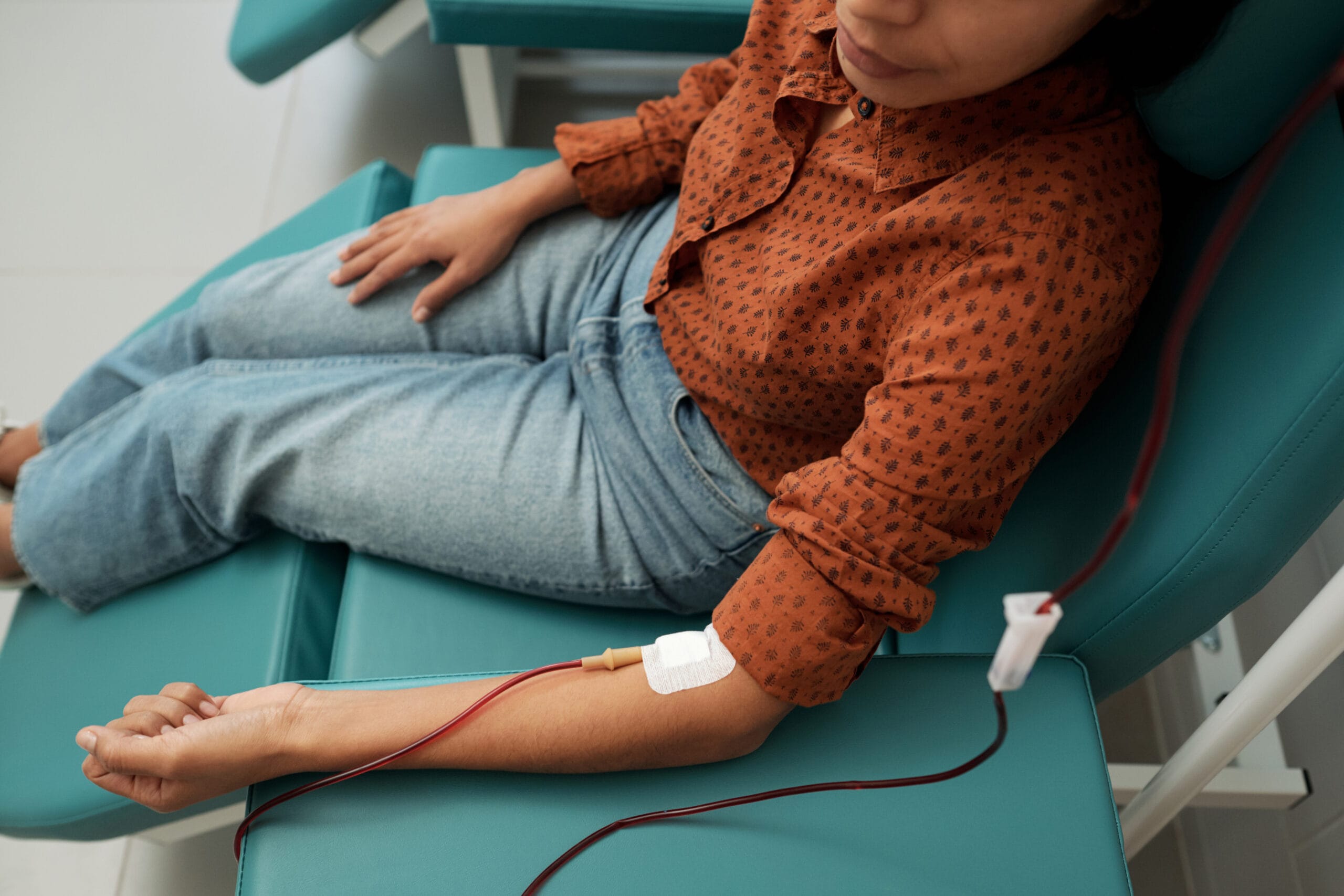
Once you visit a healthcare specialist, expect to delve into your history before moving on to blood tests. They will search for telltale signs in your red blood cell count, iron level, and total iron binding capacity. Treatment may span simple dietary changes to iron supplements or even IV iron therapy.
Diet and Iron Supplements:
- Iron-rich Foods: Boost your iron intake with lean meats, leaf by leaf of spinach, or lentils.
- Iron Supplements: Hard to get enough iron from food? Supplements might be your ally. But be mindful; they can cause constipation.
Iron is crucial for hemoglobin creation. Don’t let iron deficiency anemia creep up on you—it’s a common form of anemia but highly treatable. Small changes can make big waves in preventing this stealthy health thief.
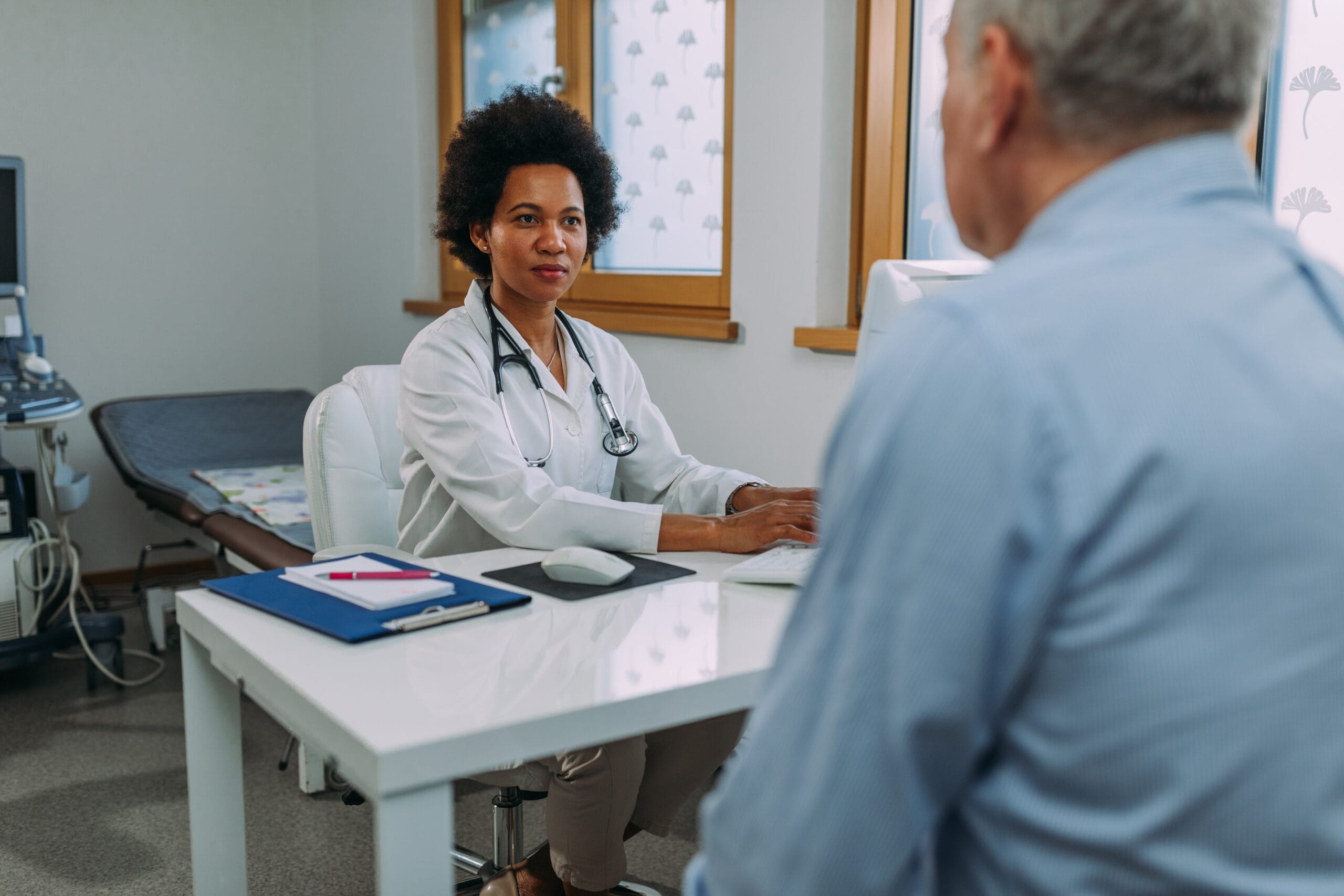
If you’re experiencing symptoms of iron deficiency anemia or if you believe you’re at risk, it’s crucial to consult a healthcare provider. A simple blood test can confirm the diagnosis, and your doctor can propose a tailored treatment plan.
Awareness of iron deficiency anemia symptoms in women, understanding the risk factors, and taking preventive measures can significantly reduce the impact of this condition. Maintaining a balanced diet, monitoring symptoms, and seeking professional advice when needed are key steps toward ensuring well-being and preventing complications associated with iron deficiency anemia.
Remember, your health is in your hands. Awareness and action can lead to a healthier, more vibrant life.