Iron is an essential mineral required in the body for various functions, especially in women. It assists in making red blood cells and in their functioning. Deficiency of iron, or a low iron level, can cause a severe case of anemia from a lack of iron, thus causing fatigue, pale skin, and dizziness. Women are more prone to dangers due to factors such as menstruation, pregnancy, and other factors that make iron absorption into the body difficult. Knowing the signs and symptoms of iron deficiency anemia is important to avoid complications.
This article will discuss the importance of iron, how much iron you need, and the common symptoms of low iron or iron deficiency in women. Learn how to recognize low iron symptoms and ensure you get enough iron from food to keep you healthy.
The Role of Heme On Call in Women’s Health
Heme On Call is changing the face of women’s health hematology with dedicated services for iron deficiency and iron deficiency anemia. We collaborate with OB-GYN physicians who encounter lowered iron levels, especially those related to pregnancy and heavy menstrual bleeding, which often result in iron deficiency. Our telemedicine model al pill lows women to get sufficient iron and absorb it well without the stress of office visits.
Our Key Services Include:
- Iron Deficiency Management: Identifying symptoms of iron deficiency and delivery of appropriate iron supplementation.
- Pregnancy Care: Ensuring proper levels of iron and its absorption for both the mother and baby.
- Convenient Telemedicine: Access expert care from home to easily manage iron stores and prevent complications.
Heme On Call focuses on the symptomatic identification of low iron or iron-deficiency anemia in women and delivers relevant dietary recommendations and iron supplements to help raise iron levels and avoid severe deficiencies. We want to ensure that women are consuming enough iron to manufacture hemoglobin for good health. With our expert guidance, taking control of your iron intake and absorption has never been easier.
The Importance of Iron in Women’s Health
Iron is an essential mineral that plays a vital role in the body. It helps in oxygen transport, DNA synthesis, and energy production. Iron in red blood cells is crucial for carrying oxygen to tissues. Women’s iron needs differ during various life stages and by dietary habits.
Key Factors Affecting Iron Levels in Women:
- Menstruation is the most common cause of iron deficiency because of the amount of blood lost during menstruation. Many women become iron deficient because they do not replenish the iron they lose during their menstrual cycle.
- Pregnancy: The needs of the growing fetus and the expansion of the maternal red cell mass increase women’s iron requirements during pregnancy. Pure iron deficiency anemia increases the risk of adverse pregnancy outcomes.
- Dietary Choices: Women following vegetarian or vegan diets may have a hard time getting enough iron from food. Plant-based iron (non-heme) is less readily absorbed compared to iron from meat (heme).
Adequate iron intake that meets specific women’s needs can prevent iron deficiency anemia and promote good health in general.
Common Symptoms of Low Iron in Women
Iron deficiency can manifest itself in different ways, bringing problems to your lifestyle and health. Following are some common symptoms that should alert you:
1. Fatigue and Weakness
Fatigue is often the first sign of low iron levels. When your body doesn’t have enough iron to make hemoglobin, red blood cells can’t effectively carry oxygen to your tissues, leaving you feeling tired and weak.
2. Pale Skin
Pale skin is another common symptom of iron deficiency anemia. Reduced iron levels cause a decrease in red blood cells, which can make your skin look paler than usual.
3. Shortness of Breath
You may tend to get short of breath when the body cannot transport enough oxygen, mostly during physical activity. This happens because your muscles do not receive enough oxygen.
4. Dizziness or Lightheadedness
Dizziness or lightheadedness can result from low iron levels. When your brain isn’t getting enough oxygen, it can cause you to feel dizzy or faint.
5. Cold Hands and Feet
Cold hands and feet are a sign that your blood circulation is poor due to low iron levels. Your body prioritizes vital organs, reducing blood flow to extremities.
6. Brittle Nails and Hair Loss
Brittle nails and hair loss can indicate iron deficiency. Iron is essential for healthy nail and hair growth, so low levels can cause these to weaken and break.
7. Chest Pain and Rapid Heartbeat
Chest pain and a rapid heartbeat might occur because your heart has to work harder to transport oxygen-rich blood throughout your body. This can also lead to shortness of breath and dizziness.
8. Headaches
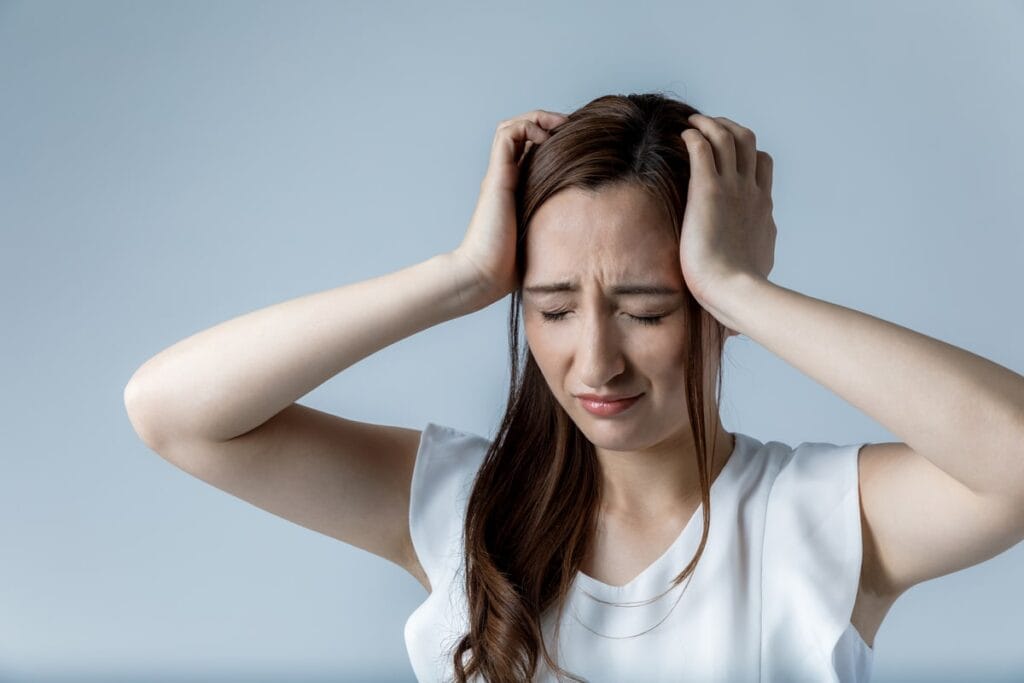
Headaches are another symptom of iron deficiency anemia. Reduced oxygen flow to the brain can trigger frequent headaches.
9. Cravings for Non-Food Substances (Pica)
Pica, or cravings for non-food substances like ice, dirt, or clay, is a lesser-known symptom of severe iron deficiency. This unusual craving is linked to your body’s need for minerals.
10. Restless Legs Syndrome
Restless Legs Syndrome (RLS) is characterized by an uncomfortable urge to move your legs, often worsening at night. Iron deficiency is a common cause of RLS.
Early recognition of symptoms and advice-seeking may thus prevent severe iron deficiency and its complications. Knowing these signs, it could be time to have your iron levels checked or make dietary adjustments and, if required, take iron supplements as advised by your doctor if you exhibit any of the following symptoms.
Causes of Low Iron Levels in Women
Knowing the causes of low iron levels is therefore very instrumental in preventing iron deficiency anemia. Common causes of low iron in women include:
1. Inadequate Dietary Intake
Low iron levels often result from not consuming enough iron-rich foods. Iron from meat (heme iron) is more easily absorbed than iron from plant sources (non-heme iron).
2. Increased Iron Needs
Pregnant women, those undergoing growth spurts, and those engaging in intense physical activity have higher iron requirements. The body needs extra iron to support increased red blood cell production and overall health.
3. Chronic Blood Loss
Heavy menstrual periods and gastrointestinal bleeding are common causes of iron deficiency in women. Blood loss depletes iron stores, making it difficult to maintain adequate iron levels.
4. Poor Absorption
Celiac disease and certain medications can interfere with the body’s ability to absorb iron. Even if you consume enough iron, your body may not be able to use it effectively.
5. Vegetarian or Vegan Diets
Women following vegetarian or vegan diets may struggle to get enough iron from food. Non-heme iron found in plants is less efficiently absorbed by the body, increasing the risk of iron deficiency.
These causes can be identified, and some preventive measures can be taken to keep away and treat iron deficiency anemia. If you think that you are lacking sufficient iron, then consult your doctor. They may prescribe iron supplements or dietary changes to enhance iron levels and maintain other health conditions. Regular monitoring and adjusting your iron intake can prevent the complications of severe iron deficiency.
Diagnosing and Treating Iron Deficiency with Heme On Call
Diagnosis plays a key role in the treatment of iron deficiency. Heme On Call provides comprehensive diagnostic services in the detection of low iron levels and iron deficiency anemia.
Steps to Diagnosis:
- Blood Tests: Measure hemoglobin levels, hematocrit, and serum ferritin to assess iron stores and red blood cell health.
- Free Iron Testing: Heme On Call provides free iron testing to identify iron deficiency quickly.
- Dietary Assessment: Evaluate your iron intake from food and identify any dietary gaps.
- Medical History Review: Understand your medical history to identify the causes of iron deficiency and corresponding symptoms.
Treatment Options:
- Iron Supplements: Doctor-recommended supplements can slowly boost iron levels and improve iron deficiency for those with mild iron deficiency.
- Dietary Changes: Incorporate iron-rich foods like red meat, beans, and leafy greens. Cooking with iron-enhanced cookware can also increase your iron intake.
- Vitamin C Intake: Consuming foods high in vitamin C helps your body absorb iron from food more effectively.
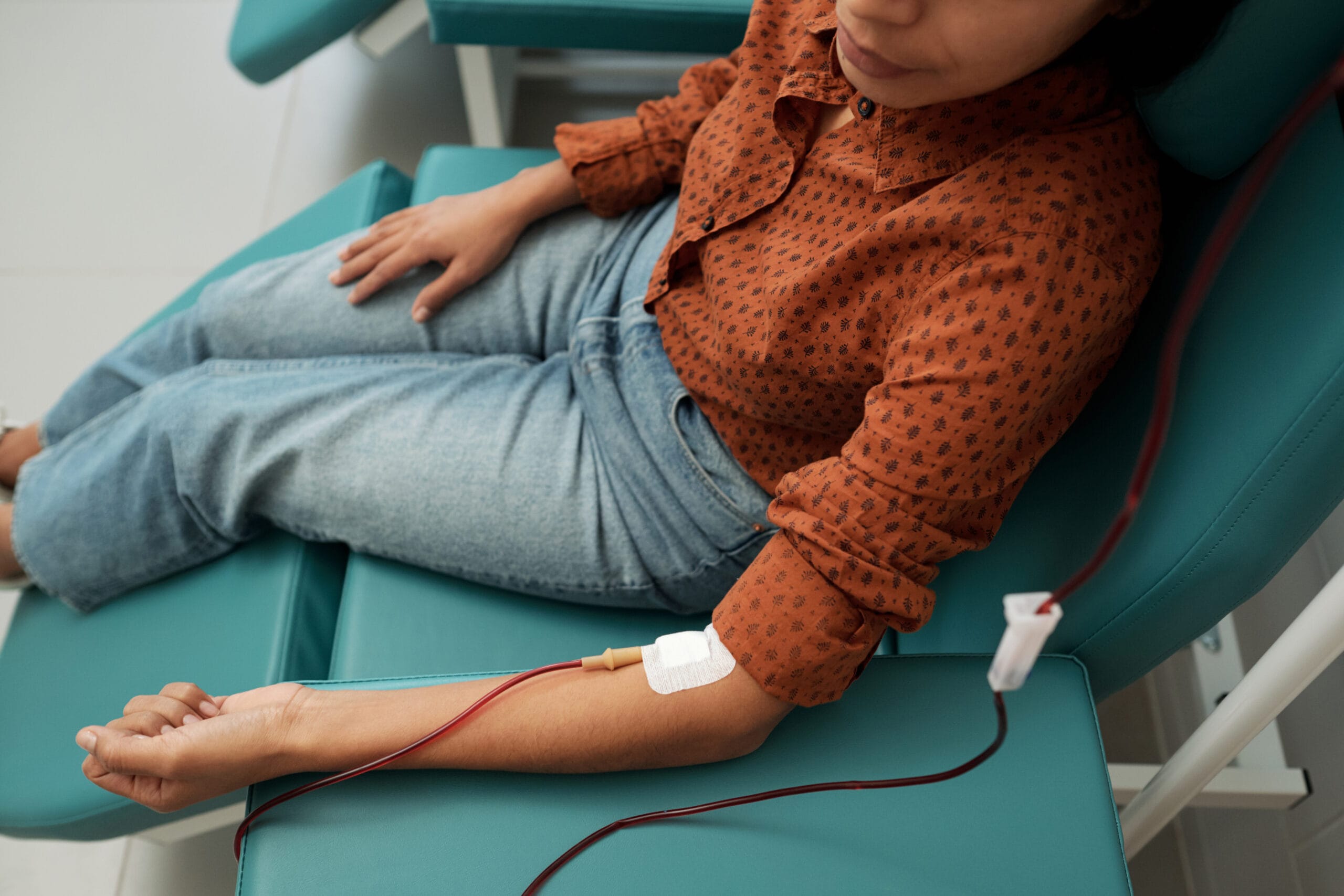
- Iron Infusions: In some cases, iron infusions may be necessary to replenish iron stores and alleviate symptoms quickly. This is especially true in pregnancy where the baby and mother need the iron during the baby’s development.
At Heme On Call, we individualize treatment plans to your needs and ensure adequate iron intake for the prevention and treatment of iron deficiency anemia. We address the causes and symptoms so that you will remain at optimum iron levels and health. If you think you might have low iron, contact Heme On Call to diagnose the condition properly and treat it on an individual basis.

Preventing Iron Deficiency
Prevention of iron deficiency is very important to your health. The following are key strategies for ensuring adequate consumption of iron:
1. Maintain a Balanced Diet
Sources of Heme Iron: Include red meat, poultry, and fish in your diet. These are easily absorbed by the body.
Sources of Non-Heme Iron: Beans, lentils, spinach, and fortified cereals are good sources of non-heme iron. Pair them with vitamin C-rich foods to boost absorption.
2. Regular Health Check-Ups
Routine Blood Tests: Regular check-ups can monitor your iron levels, helping to detect and address deficiencies early.
3. Address Underlying Conditions
Iron Absorption Issues: Conditions like celiac disease can affect iron absorption. Treating these conditions can help prevent iron deficiency.
Heavy Menstrual Bleeding: Consult your healthcare provider to manage and mitigate excessive iron loss.
4. Use Supplements Wisely
Iron Supplements: Take iron supplements only as recommended by your healthcare provider. Overuse can cause side effects like constipation.
Pregnant Women: Pregnant women may need extra iron; your doctor may recommend specific supplements.
The key ways to avoid iron deficiency and its complications are to maintain a proper diet, go for regular health check-ups, sort out the underlying conditions, and supplement wisely. Telemedicine is an easily accessible and very effective way to manage your iron levels and ensure overall good health.
Benefits of Telemedicine for Hematology Care
Telemedicine offers a transformative approach to managing iron deficiency and iron-deficiency anemia. Here’s how:
1. Convenience and Flexibility
You can receive expert hematology advice without leaving your house. This is especially beneficial for those with mobility issues or busy schedules.
2. Improved Access to Specialized Care
Telemedicine connects you with hematology experts who can help manage low iron levels, iron absorption issues, and severe iron deficiency, regardless of your location.
3. Cost and Time Savings
Save on travel and associated costs. Telemedicine also minimizes time away from work or other responsibilities.
Quick and easy access to doctors means faster diagnosis and treatment, helping you get the iron supplements or dietary advice you need promptly.
Heme On Call’s telemedicine services make treating iron deficiency and maintaining optimal iron levels easy and convenient. Telemedicine ensures continuous management of your hematology health, which is effective in improving your general well-being.
Conclusion on Symptoms of Iron Deficiency Anemia in Women
Iron is an essential mineral vital to a woman’s health and helps in making red blood cells, hence evading iron deficiency anemia. Recognizing symptoms of low iron and searching for timely treatment will avoid severe complications. Heme On Call helps ensure you get the iron levels you need from the comfort of your own home with our convenient telemedicine approach. Be it dietary advice or iron supplements, our expert care can help increase your iron absorption and overall health. Trust Heme On Call’s commitment to high-quality, compassionate care to manage and prevent iron deficiency effectively. Prioritize your health by taking action to maintain optimal intake of iron.