Anemia is the most common type of blood disorder worldwide, and iron-deficiency anemia is the most common form. Iron deficiency anemia occurs when the body does not have sufficient iron to produce hemoglobin, the protein in red blood cells that makes the transportation of oxygen possible. The shortage of this iron impairs the production of adequate red blood cells, causing symptoms like fatigue, dizziness, and shortness of breath.
Treating low-iron anemia requires a comprehensive approach to increasing iron intake, improving iron absorption, and treating the underlying causes. This article will describe a 10-step process for overcoming iron deficiency anemia and efficiently raising iron levels. Knowing and following these steps may help you regain your energy and health.
Step 1: Recognize the Symptoms of Iron-Deficiency Anemia
Iron deficiency anemia can be gradual, so some people may not show symptoms early enough. However, as the condition worsens, common symptoms of iron-deficiency anemia include:
- Fatigue and weakness
- Pale skin
- Dizziness or lightheadedness
- Shortness of breath
- Cold hands and feet
- Headaches
- Rapid or irregular heartbeat
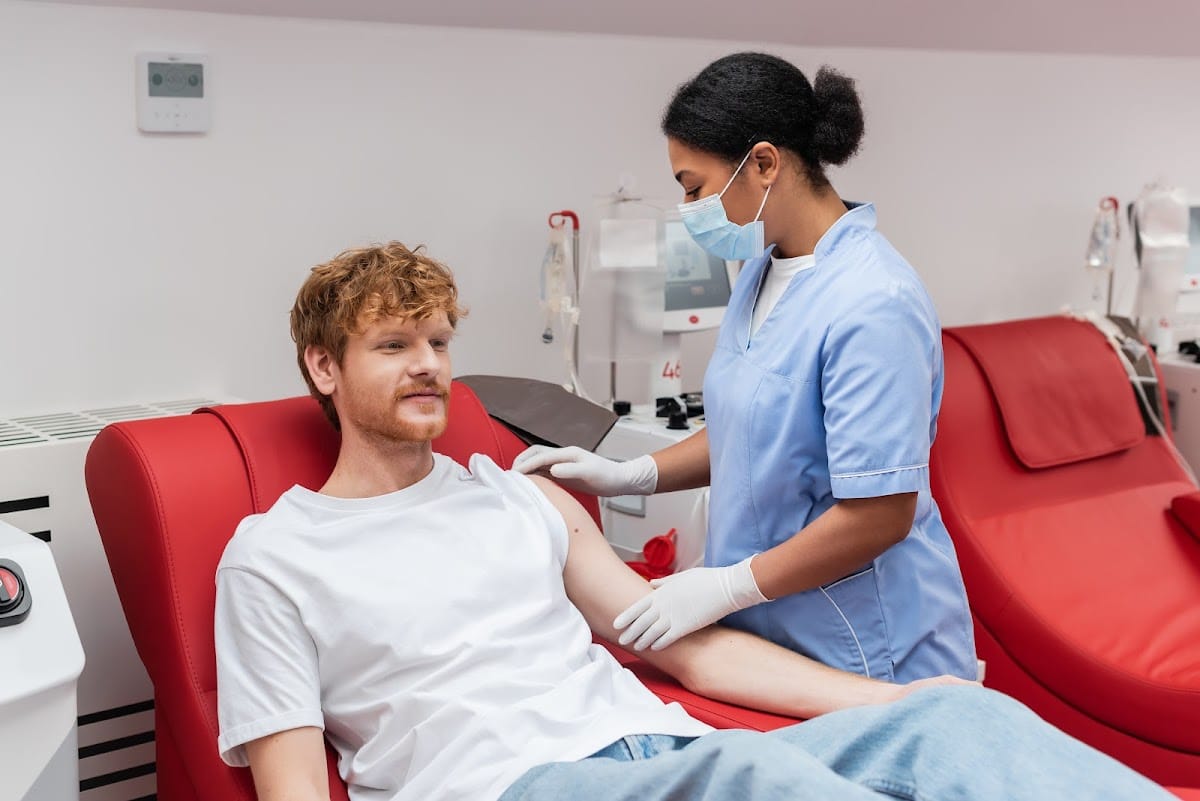
These symptoms occur because red blood cells carry oxygen throughout the body and cannot efficiently transport it when iron levels are low. If you think you have anemia and low iron, consider taking a blood test to confirm your condition.
Step 2: Identify the Cause of Iron Deficiency Anemia
For the effective treatment of iron deficiency anemia, it is very significant to identify the root cause of your low iron levels. These levels drop for several reasons. Too little iron in your diet is one of the considerable causes of iron deficiency anemia. If the dietary intake of iron is inadequate, then this leads to a reduction in the amount of iron in the body because it is not enough to make red blood cells.
Other major causative factors include blood loss due to heavy menstrual flow, gastrointestinal bleeding, or injury. Additionally, some individuals cannot absorb sufficient quantities of iron even if they consume enough. Gastrointestinal conditions like celiac disease or surgeries such as gastric bypass can reduce the body’s ability to absorb iron from food.
Iron deficiency anemia is a health threat to women (especially pregnant ones), children, and people with chronic illnesses. Your doctor will establish a diagnosis of iron-deficiency anemia through blood testing, determine its underlying cause, and thereby rule on the most effective treatment course.
Step 3: Increase Iron Intake with Iron-Rich Foods
The diet also plays a significant role in the management of anemia-low iron. Including iron in one’s diet helps build up iron stores and increase the blood count. Good sources of iron include both heme iron (from animal products) and non-heme iron (from plant-based foods). Heme iron from meat and seafood is easier for the body to absorb than non-heme iron from plant sources.
The following are iron-rich foods:
- Red meat (such as beef and lamb)
- Poultry (like chicken and turkey)
- Seafood (like clams and oysters)
- Leafy greens (like spinach and kale)
- Legumes (like lentils and beans)
- Fortified cereals and grains
If dietary sources of iron do not provide enough, iron supplements or IV iron therapy are often prescribed, rapidly building up iron stores.

Step 4: Improve Iron Absorption
Even though you consume foods that include iron, your body may not always absorb it optimally. Improving iron bioavailability is essential, especially for non-heme iron derived from plant sources. Vitamin C notably boosts iron absorption in the human body, especially for non-heme iron.
Foods high in vitamins, such as citrus fruits, bell peppers, tomatoes, or strawberries, eaten with an iron-containing meal can enhance iron absorption. Conversely, certain foods and drinks may inhibit this. Calcium supplements, dairy products, tea, coffee, and foods rich in phytates found in whole grains inhibit your body from absorbing iron.
Try taking these inhibitors from your iron meals at different times of the day. By controlling the food combinations, you can allow your body to absorb as much iron as possible from your diet.
Step 5: Take Iron Supplements if Necessary
Iron supplements may be indicated in cases where severe iron deficiency anemia cannot be treated with diet alone to help you get enough iron. Medications include common types of iron, such as ferrous sulfate, ferrous gluconate, and ferrous fumarate, which are extremely important in replenishing iron stores in the body.
Take the medicine according to your doctor’s instructions on dosage and frequency to avoid the adverse effects of excessive iron stores in the body. Taking oral iron away from food often maximizes the metal’s absorption, but if nausea or stomach cramps result, administration may be followed by food. However, one should never forget that many substances, including those in milk or calcium supplements, inhibit iron absorption.
When oral iron supplements are insufficient for rebuilding iron stores or when patients cannot absorb iron, IV iron treatment is resorted to for rapid elevation of iron levels.
Step 6: Monitor Your Progress
After starting your iron deficiency anemia treatment, it is critical to monitor your progress closely. Regular blood tests will be essential to monitor your hemoglobin level, the iron stored in your body, and the total amount of red blood cells.
This will confirm that your treatment is effective and will point out if any adjustment in treatment is necessary to keep iron at an appropriate level. Your health professional may recommend repeated blood tests to ensure your iron level does not become too high because it can be harmful. You want your iron intake to be appropriate to maintain good stores but not so high that you accumulate too much iron.
It’s comforting to follow progress, and it will keep iron levels stable, preventing further anemia in the future.
Step 7: Manage Blood Loss and Underlying Health Conditions
Most cases of iron-deficiency anemia develop due to chronic blood loss or diseases. The causes of iron deficiency need to be treated to prevent the recurrence of low iron anemia. For instance, if heavy menstrual flow is the cause, medications or hormonal treatments can reduce blood loss and help restore iron.
These include chronic gastrointestinal disorders, such as ulcers, inflammatory bowel disease, or celiac disease, which can affect the body’s iron absorption capability and result in chronic iron loss. Treating an underlying disorder prevents the bleeding mechanism or improves iron absorption to ensure long-term recovery from anemia.
This treats the actual cause of iron-deficiency anemia, meaning that not only will the treatment be far more effective, but future drops in levels are prevented, ensuring a long-lasting health improvement.
Step 8: Balance Rest and Activity
The balance between complete rest and physical activity should be strived for during recovery from anemia and low iron. Although fatigue is a symptom of iron deficiency anemia, being active maintains blood flow and can help energy levels.
Walking or yoga is great, but getting too active can wear a person out with low iron stores. Rest as needed. You are pacing yourself in, allowing your body the time to build up red blood cells and iron stores.
Step 9: Prevent Future Iron Deficiency
Once your iron level has returned to normal, the following steps should be taken to prevent another iron deficiency episode. Ingestion of highly iron-rich food and a healthy diet will keep your iron level regular.
People with risk factors such as pregnancy, menstruation, or dietary limitations should consult with their physician regarding continued supplementation. Regular blood tests may also be necessary to help keep iron within normal limits.
Step 10: Be Aware of Potential Complications
If left untreated, severe iron deficiency anemia may lead to complications. Anemia-iron deficiency can lead to heart problems such as an enlarged heart or heart failure since the body needs more work to deliver oxygen. Because iron deficiency during pregnancy can be responsible for preterm birth or low birth weight of babies, one can consider the underlying risks of iron deficiency and take iron supplements accordingly by taking proper assistance from your doctor or dietician. If your iron deficiency anemia worsens, consult your healthcare provider for further treatment.
Iron deficiency anemia is one of the most common causes of anemia worldwide. It is also readily treatable if the conditions are appropriately treated and lifestyle changes are made. Whether your iron-deficiency anemia is due to chronic blood loss, nutritional issues, or an underlying medical condition, treating the underlying cause of iron deficiency anemia, making diet changes, and changing iron intake will help rebuild red blood cells and improve general health.
It is always best to work closely with a healthcare provider like Heme On Call, who will monitor your progress and adjust your treatment plan as necessary.