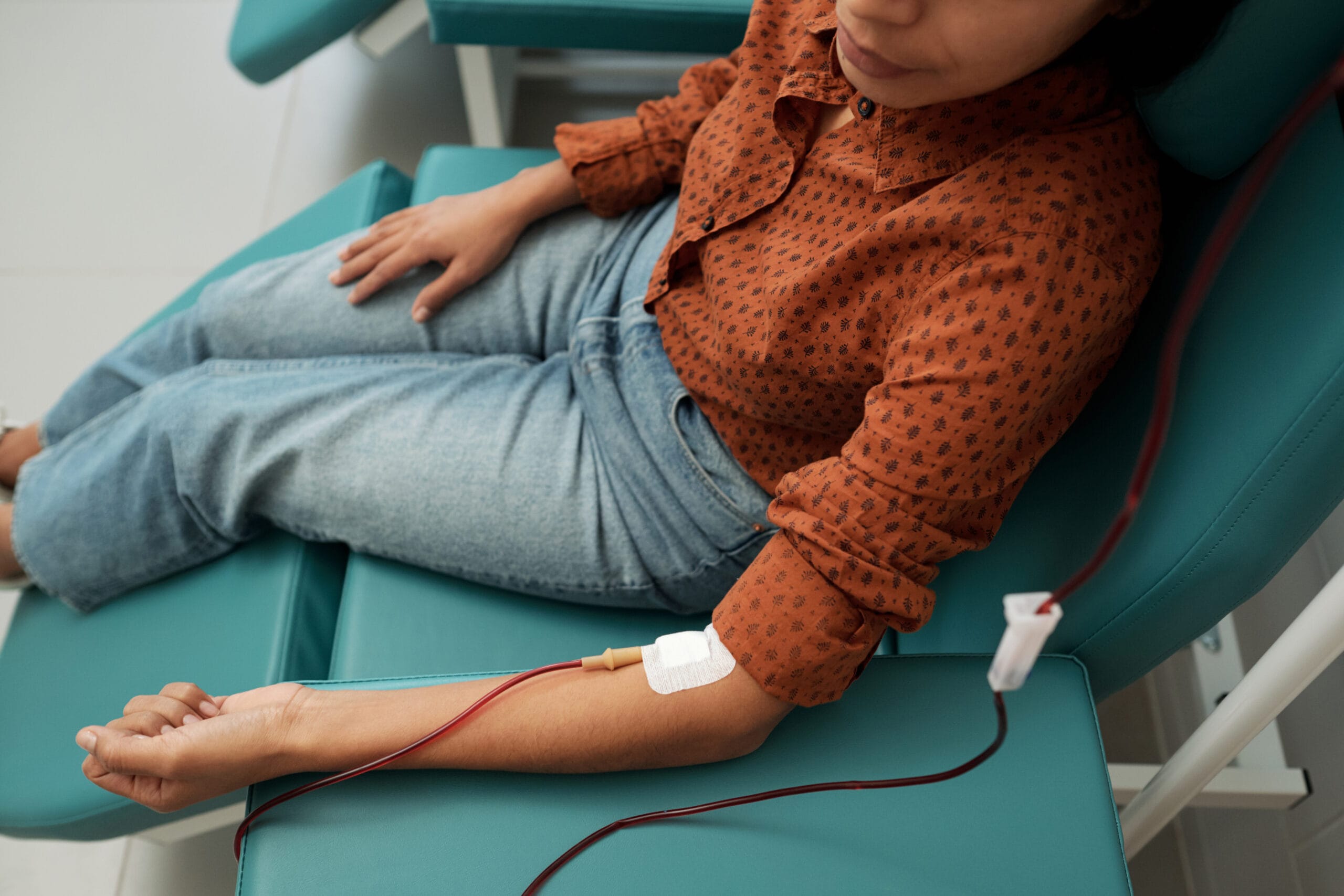
Iron is an important mineral that does not compromise a significant component of hemoglobin. Hemoglobin is a protein in the red blood cells responsible for transporting oxygen to different body parts. Women’s needs are even higher because menstruation, pregnancy, and lactation increase demands.
Thus, Treating iron deficiency anemia is critical to maintaining continued energy, immune function, and overall health. While supplements offer an easy way of raising iron levels, there is so much to learn from the whole, natural approach to improving iron stores, as iron-containing foods are a part of diets. In this post, we will discuss some of the best food sources of iron and share tips for enhancing iron absorption and keeping your iron level healthy through your diet.
Why Iron Is Important For Women
Iron is a mineral the body requires for many reasons, such as the production of different enzymes and red blood cells, which carry oxygen from your lungs into all body parts. There is a greater need for women, mainly because of menstruation, pregnancy, and lactation. At times, iron deficiencies cause women to develop low levels of iron in the body, leading to iron deficiency anemia.
Symptoms include fatigue, weakness, dizziness, and shortness of breath.
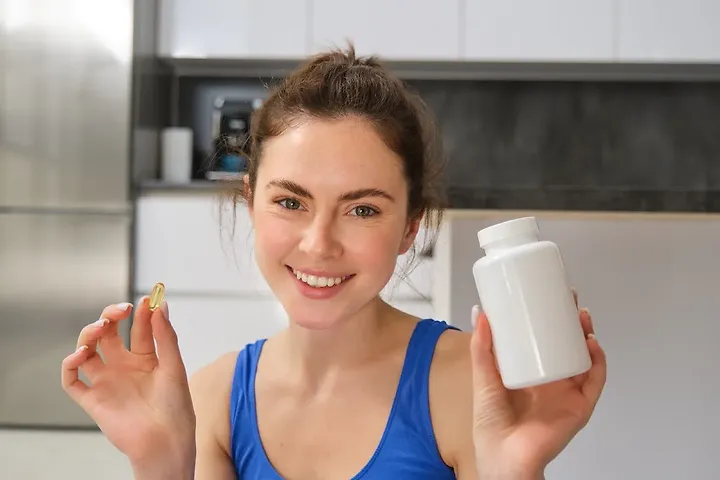
Iron deficiency is when the body has too little iron to make enough hemoglobin, a protein in red blood cells that carries oxygen. If iron stores are low, the body cannot produce healthy red blood cells, leading to iron deficiency anemia. Iron deficiency poses several risks among women, particularly during childbearing years.
Common symptoms of iron deficiency anemia include fatigue, pale skin, cold hands and feet, shortness of breath, and palpitations. In severe cases, an iron deficiency can be very detrimental to the subject’s health, as it may even lead to adverse complications in pregnancy and impaired cognition, among other things.
Types Of Iron: Heme vs. Non-Heme Iron
There are two forms of iron: heme and non-heme iron. The difference between these two determines the most efficient way of handling iron levels.
- Heme Iron: Heme iron is easily absorbed and is found in red meat, poultry, and fish. This form of iron is best for boosting iron levels efficiently and quickly.
- Non-heme Iron: Non-heme iron is found in plant-based foods, such as beans, lentils, spinach, and fortified cereals. It is not absorbed as effectively as heme iron. However, if non-heme iron is consumed with a source of vitamin C, then the absorption is considerably improved.
While heme iron is more effective at raising iron levels, non-heme sources of iron are necessary for individuals who follow a vegetarian or vegan diet and abstain from foods containing animal products. These types of iron become highly significant in maintaining adequate iron levels and averting iron deficiency anemia.
Best Iron-Rich Foods For Women
Getting iron in your diet is one of the most natural ways to prevent deficiency. Here are some of the best food sources of iron for women:
1. Red Meat
One of the richest sources of heme iron is red meat. Cooked beef, in a 3-ounce serving, contains about 2.1 mg in each portion, and for women, it can account for about 12% of their daily recommended intake. Consuming this regularly will help keep them at healthy levels. However, it needs to be lean cuts because too much saturated fat is consumed when more fatty tissue surrounds the cut’s meat.
2. Poultry
Chicken and turkey are excellent sources of heme iron, with dark meat containing more iron than white meat. One serving of roasted turkey, 3 ounces, contains approximately 1.1 mg of iron. Adding poultry to one’s diet can increase iron intake and act as a lean protein addition.
3. Fish and Shellfish
Heme iron is found in tuna, salmon, and sardines. Shellfish are generally higher in iron than other types of seafood, particularly clams, oysters, and mussels. For example, 3 ounces of cooked clams provide a whopping 23.8 mg of iron, exceeding the upper limit.
4. Liver
The liver is one of the most concentrated sources of heme iron. A 3-ounce serving of cooked beef liver provides 5.2 mg of iron. However, it’s best to consume liver moderately due to its high vitamin A content.
5. Spinach
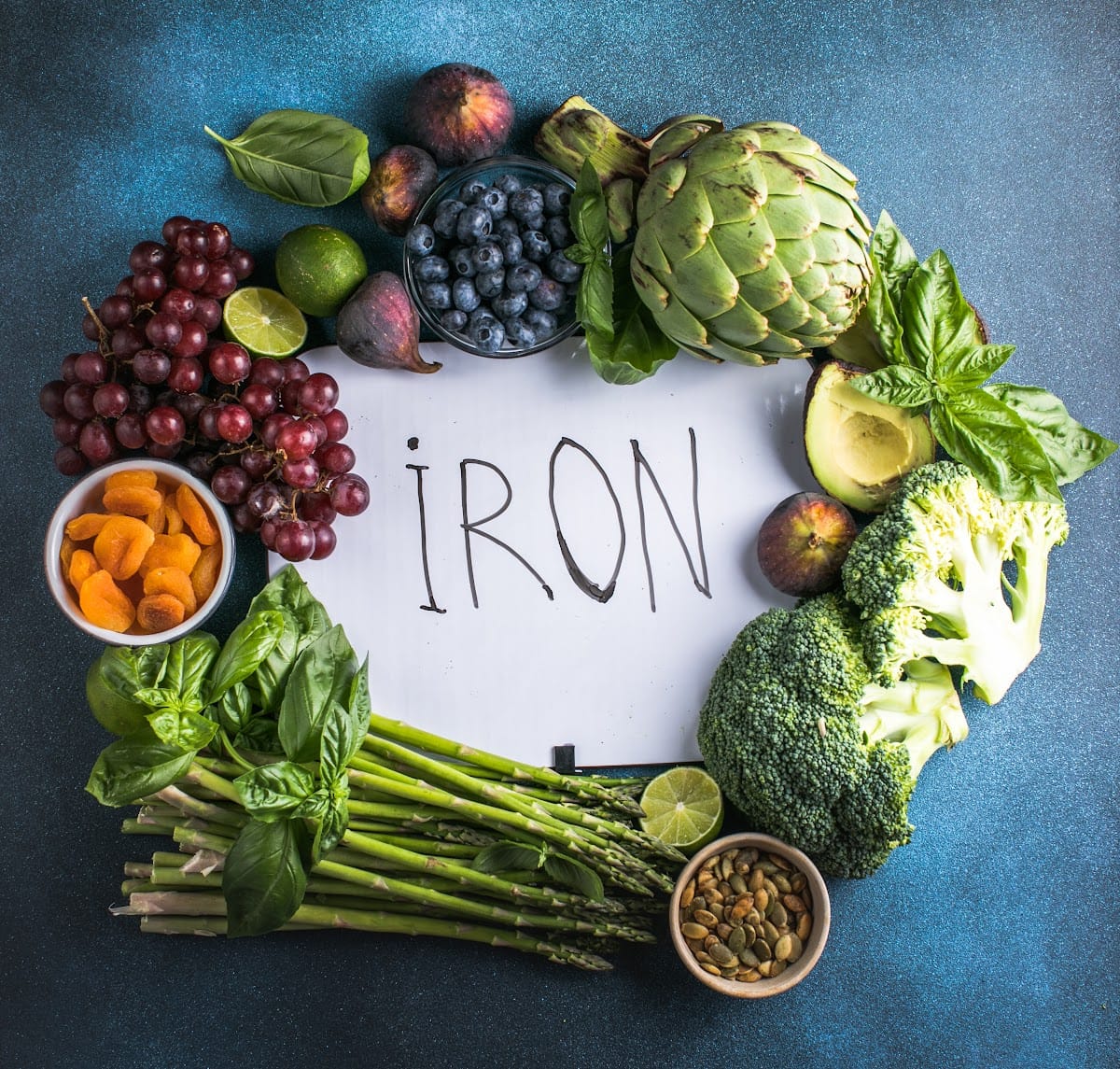
Spinach is a leafy green with nutrients and an excellent non-heme iron source. For instance, one cup cooked contains about 6.4 milligrams. While the bioavailability of non-heme iron is not as good as that of heme iron, this significantly increases in conjunction with a source of vitamin C, such as tomatoes or citrus fruits.
6. Lentils and Beans
Lentils, chickpeas, black beans, and kidney beans are excellent plant sources of non-heme iron. A half-cup serving of cooked lentils contains approximately 3.3 mg of iron. Such legumes are also dense in protein and fiber; hence, they are a great addition to a healthy diet.
7. Tofu
Tofu also provides very versatile and nutritious non-heme iron for vegetarians and vegans. Half a cup serving of tofu contains about 3 mg of iron. You can include tofu in your meal to enable you to meet your iron requirements with the inclusion of plant-based protein.
8. Fortified Cereals
That’s why most of your breakfast cereals are already fortified with iron; thus, increasing your mineral intake is more convenient. Some cereals can provide as much as 18 milligrams of this mineral per serving, but opting for those low in added sugars is best.
9. Pumpkin Seeds
The roasted pumpkin seeds are full of nutrition and packed with non-heme iron. One serving of a quarter cup contains about 2.5 mg of iron. They can be sprinkled in salads or yogurt or eaten independently as a quick fix.
10. Quinoa
Quinoa is a good source of protein and contains a fair amount of non-heme iron. In one serving, or one cup of cooked quinoa, there is approximately 2.8 mg of iron. It is also gluten-free and a perfect option for those individuals who have gluten intolerance.
Iron Supplements: When And Why You May Need Them
While it is always best to get iron from your diet, there are times when you may need to take an iron supplement, especially if you do not have enough iron in your body or if you are at risk of iron deficiency. Iron supplements have a variety of formula types: ferrous sulfate, ferrous gluconate, and ferrous fumarate. They may also be available as oral iron supplements or in liquid forms of iron.
Who May Need Iron Supplements?
When can iron supplements be prescribed for women? The increase in iron requirements during pregnancy is due to the growth of the fetus and the expansion of maternal blood volume. Because your body uses iron to carry oxygen in the blood, your doctor may recommend an iron supplement to help ensure that you do not get iron deficiency anemia during your pregnancy.
Women who have heavy monthly menstrual periods sometimes suffer from heavy monthly iron losses. In these cases, an iron supplement may be recommended to replace the losses and prevent anemia. Diagnosed with Iron Deficiency Anemia (IDA): If a blood test confirms IDA, your doctor may prescribe iron supplements as part of the treatment.
Types of Iron Supplements
Several iron supplements exist, considering the different forms of iron and their varying absorption rates. The most common include:
- Ferrous Sulfate is among the highly recommended forms of iron supplements, especially in cases of iron deficiency anemia. It contains a high dosage of elemental iron but causes gastrointestinal adverse effects, including stomach cramps and constipation.
- Ferrous Gluconate: This form of iron is gentler on the stomach, so physicians may switch their patients to it if they have any adverse effects from taking ferrous sulfate. However, it contains less elemental iron per dose.
- Ferrous Fumarate: This is also one of the prescribed common forms of iron. Ferrous fumarate contains more elemental iron than ferrous gluconate and causes fewer gastrointestinal adverse effects than ferrous sulfate.
- Liquid Iron Supplements: Liquid iron supplements are an alternative to the iron pill for patients with problems with it or when the iron needs to be more easily absorbed. Indications are usually children and the elderly.

How to Take Iron Supplements
Iron supplements can be associated with gastrointestinal adverse effects, including constipation and stomach cramps. Because iron is best absorbed on an empty stomach, many people like to take their iron supplement before bedtime with a source of vitamin C to enhance absorption. However, you can take your iron supplement with food to decrease digestive side effects.
It is always important to heed your doctor’s advice regarding the dosage and type of iron supplement you should take since iron toxicity is a potential risk. Taking a higher dose than what your body needs may result in serious health complications, such as iron poisoning. Thus, iron supplements are expected to be stored in a safe place where children cannot easily access them, as accidental swallowing may be fatal.
For this, doctors might prescribe iron supplements in doses of 100 to 200 mg of elemental iron daily, divided, when a person has iron deficiency anemia. On the contrary, because high dosage iron may lead to the risk of iron poisoning, regular monitoring of blood level intake is necessary.
Tips for Enhancing Iron Absorption
Maximizing iron absorption is as important as incorporating iron-rich foods into your diet. Here are some tips to improve your iron uptake:
- Vitamin C-Rich Foods: Consuming vitamin C-rich foods (like citrus fruits, strawberries, bell peppers, and broccoli) alongside iron-rich foods can enhance non-heme iron absorption.
- Avoiding Coffee and Tea With Meals: These beverages contain compounds that can inhibit iron absorption. Enjoy them between meals instead.
- Cooking with Cast Iron: Cooking acidic foods in cast iron cookware can increase the iron content of your food.
- Limiting Calcium-Rich Foods During Iron-Rich Meals: Calcium can compete with iron for absorption, so it’s best not to consume high-calcium and iron-rich foods simultaneously.
Combating iron deficiency and boosting your iron levels can significantly impact your health and well-being, especially for women. Incorporating various iron-rich foods into your diet and strategic dietary practices to enhance absorption offers a holistic approach to maintaining adequate iron levels. Remember, while diet plays a crucial role, always consult with a healthcare professional before taking any supplements, especially if you suspect you have an iron deficiency or other health issues.
Remember to consult a doctor before starting any iron supplement regimen; taking too much iron may result in serious side effects. Choosing the correct type of iron and sticking to the doctor’s recommendations will go a long way toward managing your iron level and keeping you healthy. Iron is essential to women’s health in 2024 and beyond; a proper balance between diet and supplements will keep iron at an appropriate level, avoiding risks due to iron deficiency.