Let’s face it, most of us have had a day or two where our hair was limp, our nails would flake at the touch, or our skin didn’t have that healthy glow. You might blame it on stress, poor sleep, or a bad hair day. But what if the real culprit lurks in your lab results?
We’re talking about iron deficiency, a pretty common condition that’s not just sucking the life out of you, but also showing up on your skin, in your hair, and on your nails.
At Heme On Call, we don’t see hematology only, and we’re here to break down the science in an understandable way (no white coat required). So let’s see how iron deficiency and beauty are more connected than you think.
The Role Of Iron In Your Body (And Beauty Regimen)
Iron is not just delivered in cast iron skillets and Popeye cartoons. Iron is a highly essential mineral that helps your body produce red blood cells that deliver oxygen to all your tissues, including those that power healthy skin, strong nails, and luscious hair.
When you’re low on iron, your body may struggle to carry the oxygen and nutrients it needs to make you look your best. That’s when you start to feel symptoms of iron deficiency that go beyond fatigue.
Symptoms Of Iron Deficiency That Show Up On Your Skin, Hair, And Nails
1. Hair Loss Or Thining
One of the most frustrating and emotionally charged aspects of iron deficiency is hair loss. If your brush or shower drain is collecting more hairs than usual, it might not be seasonal shedding. Iron is essential to the hair cell life cycle. Without enough iron, hair follicles don’t get the oxygen they need to stay healthy and keep growing.
And while there are numerous reasons for hair loss, studies show a clear link between low iron levels and reduced hair growth, especially in women of childbearing age and pregnant women, who tend to be more likely to be deficient in iron.
2. Pale Or Dull Skin
We all love that natural glow, but iron deficiency can take it away from you. Pale complexion is one of the classic symptoms of iron-deficiency anemia, especially around your face, lips, and eyelids.
When iron levels are low, red blood cell levels drop, cutting back on the delivery of blood and oxygen to the skin. The result? Exhausted, washed-out-looking skin that no highlighter can fix.
3. Brittle Nails
Those splitting, spoon-shaped, or cracked nails? They’re not only maddening, they may be iron-deficiency related. When iron levels are low, nails begin to weaken and become brittle. Even nails start to curve upwards in severe cases of iron deficiency (koilonychia).
So if your nails and hair are driving you crazy, perhaps it’s time to look underneath the surface, literally.
4. Dry, Itchy, Or Aging Skin
Skin alterations are another far-reaching and under-recognized consequence of iron deficiency. Iron plays a role in maintaining healthy skin by supporting collagen synthesis, wound repair, and efficient circulation. As iron drops, your skin will dry out, become itchy, and be more easily irritated.
Eventually, low iron can even accelerate skin aging, as your body is unable to repair itself and produce healthy skin cells. Translation: your skincare routine requires iron in order to actually do the job.
Why Does Iron Deficiency Happen?
There are a number of reasons your body might be deficient in iron.
And they are not all diet-related. Here are a number of the most common perpetrators:
- Heavy periods (a leading cause in women)
- Pregnancy (raised iron need)
- Gastrointestinal disorders impairing iron absorption
- A diet poor in iron sources
- Loss of blood during surgery or trauma
- Specific chronic diseases impairing iron metabolism
Your body needs the right amounts of iron in order to perform well, but it needs the right type of iron, accurate iron absorption, and a balance that’s healthy. That’s where working with a hematology specialist (ahem, that’s us!) can be a lifesaver.
What Types of Iron Should You Know About?
When iron is consumed in your diet or as an iron supplement, there are two predominant forms:
1. Heme Iron
Heme iron is present in animal foods such as red meat, poultry, and seafood. The body absorbs heme iron better.
2. Non-Heme Iron
Iron is present in plant foods such as spinach, beans, lentils, and fortified cereals. Although still good, non-heme iron is not as easily absorbed and might need more planning, particularly in vegetarians and vegans.
Super iron sources are:
- Red meat (moderate)
- Shellfish like clams and oysters
- Leafy greens like spinach and kale
- Lentils and chickpeas
- Tofu and tempeh
- Iron-fortified cereal and grains
And don’t forget that vitamin C improves iron absorption, so pair your leafy greens with citrus fruits, tomatoes, or bell peppers for the best effect.
When Food Isn’t Enough: Iron Supplements & Testing
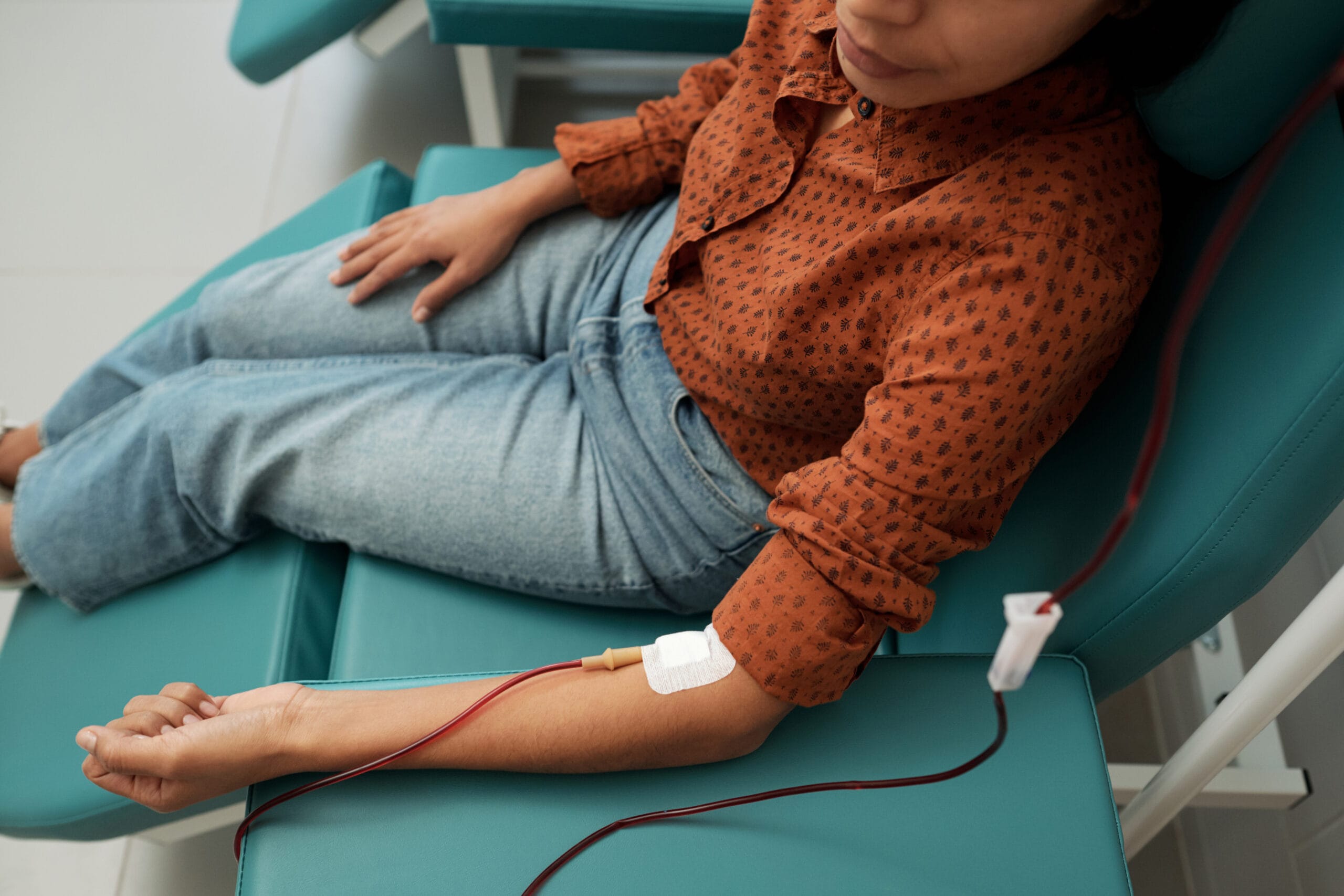
Sometimes, diet simply isn’t enough to get enough iron, especially if you have iron deficiency anemia, which still affects your energy and appearance. In such cases, your practitioner can recommend taking iron supplements or other drugs based on your needs.
Heme On Call offers individualized iron deficiency testing to help determine:
- Your current levels of iron
- If you are iron deficient
- If you may have iron overload or excess iron
- Your special iron physiology and how well your body metabolizes iron absorption
We also consider the likes of your lifestyle, diet, and any conditions that affect iron metabolism, because iron is really a double-edged sword. Too much is as bad as too little.
Iron Overload: When Too Much Of A Good Thing Isn’t Great
Though much of this article discusses iron deficiency, we must also consider the other side. Excessive or unnecessary iron supplementation can lead to iron accumulation, which may damage organs and cause iron deposition in the heart or liver.
That’s why we always warn against taking iron randomly without first checking whether you need it or not. Extra iron is something beneficial, but if unnecessary, it will be more harmful than helpful.
That’s when iron chelators (medications that allow the excess iron to be removed) come in, but that’s a topic you should reserve for a seasoned hematologist.
So, Can Iron Make You More Beautiful?
Let’s put it this way: beauty starts with good health, and iron is one of the most important nutrients directly affecting your outer glow. From healthy hair and brittle nails to skin and hair hydration and complexion, your body’s level of iron makes a huge difference in how you look and feel.
The benefits of iron extend well beyond beauty, of course, it nourishes your brain, immune system, and energy. But in case you’ve been on a quest for better skin, nails, and hair with no success, perhaps it’s time to examine the iron levels in your body rather than your arsenal of beauty tricks.
Can Iron Deficiency Affect You Even If You “Look” Okay?
Yes. One of the most frustrating things about iron deficiency is its imperceptibility. You might feel fine most days or assume your low iron is no big deal, especially when you’re well and eating, exercising, and sleeping appropriately. But iron deficiency might also appear subtly, primarily through symptoms such as weak skin and hair, brittle nails, or that irritating post-lunch energy dip.
You may not necessarily have iron-deficiency anemia to realize the effect of low iron. Iron deficiency anemia is actually more common than individuals realize, and it still impacts the way your body functions and looks.
If your nails and hair just aren’t what they used to be, or you have skin issues that don’t seem to be helped by new products or diets, maybe it’s time to test your iron metabolism. Iron deficiency is never diagnosed merely because it doesn’t fit the stereotype of being “ill.” But your body is perhaps giving you a message, and we can help you hear it.
When In Doubt, Let’s Talk
So if you’re feeling tired all the time, losing hair, or noticing changes in your skin that you just can’t explain, don’t brush it off. They could be iron deficiency symptoms worthy of exploration.
At Heme On Call, we’ve made it easy to find out about your iron levels and do something about them. Whether it’s iron deficiency anemia, iron deficiency without anemia, or something entirely other, we’re here for you with the best in hematology care.
For when your iron is critical, your care should be as well.
Ready For Answers?
Let’s get to the root cause. Book your consultation today at Heme On Call and start your path to healthier blood and you.