Iron is vital for the normal function of red blood cells, which are involved in oxygen transport, immune surveillance, and cellular development. Few people, however, relate this to how iron-deficiency anemia affects the body, specifically the eyes and visual acuity. Most research on ocular iron balance develops a complex relationship between low iron levels and ocular health, pointing to two possible causes of vision deficits related to iron deficiency.
This article explores how anemia affects ocular health, points out the signs that may indicate problems with this condition, and provides tips on managing the condition to improve ocular health. A better understanding of iron-related eye conditions is essential for preserving overall health and preventing chronic complications in vision.

The Role of Iron in Eye Health
Iron is essential for the normal function of red blood cells, which carry oxygen to different body parts, including the eyes. The eyes are susceptible to oxygen levels, essential nutrients for maintaining health and function. When iron levels are low, the capacity of the red blood cells to carry oxygen is compromised, and several eye-related symptoms and conditions can arise.
In addition to supporting oxygen transport, iron also produces enzymes that protect the eyes from oxidative damage. Oxidative stress can damage the eyes’ delicate tissues, leading to cataracts, macular degeneration, and dry eye disease. Without adequate iron, the body’s ability to combat oxidative stress is weakened, leaving the eyes vulnerable to damage.
How Iron Deficiency Impacts Vision
Iron deficiency may lead to several other visual disturbances, which may be very minute and challenging to notice. The following are a few of the ways a lack of iron could be related to your eyes and vision:
1. Fatigue and Eye Strain.
Fatigue, tiredness, and lack of energy are common symptoms of iron deficiency anemia. This fatigue can extend to the eyes, leading to increased eye strain and discomfort. You may notice that your eyes feel heavy, dry, or sore, especially after extended reading, using a computer, or performing tasks requiring focused vision. Iron deficiency-induced fatigue can make it more challenging to keep your eyes focused, leading to blurred vision and difficulty concentrating on close-up tasks.
2. Dry Eyes
Iron deficiency can result in a decrease in tear production, thus giving rise to dry eye syndrome. Tears lubricate and protect the eyes’ surface from foreign particles and irritants. If there is an iron deficiency, the eyes may fail to produce enough tears; this might cause dryness, irritation, redness, and a gritty sensation. Long-term dry eyes can cause inflammation and severe problems with vision if not treated.
3. Blurred Vision
In worse cases of iron deficiency, blurred vision is due to reduced eye oxygen supply. If the eyes do not get enough oxygen, it can cause damage to the tissues, leading to symptoms such as blurry vision. Blurred vision can occur intermittently and worsen if the iron deficiency is left untreated. It is essential to seek medical attention if you experience persistent blurry vision, as it could indicate more severe eye problems.
4. Pale Conjunctiva
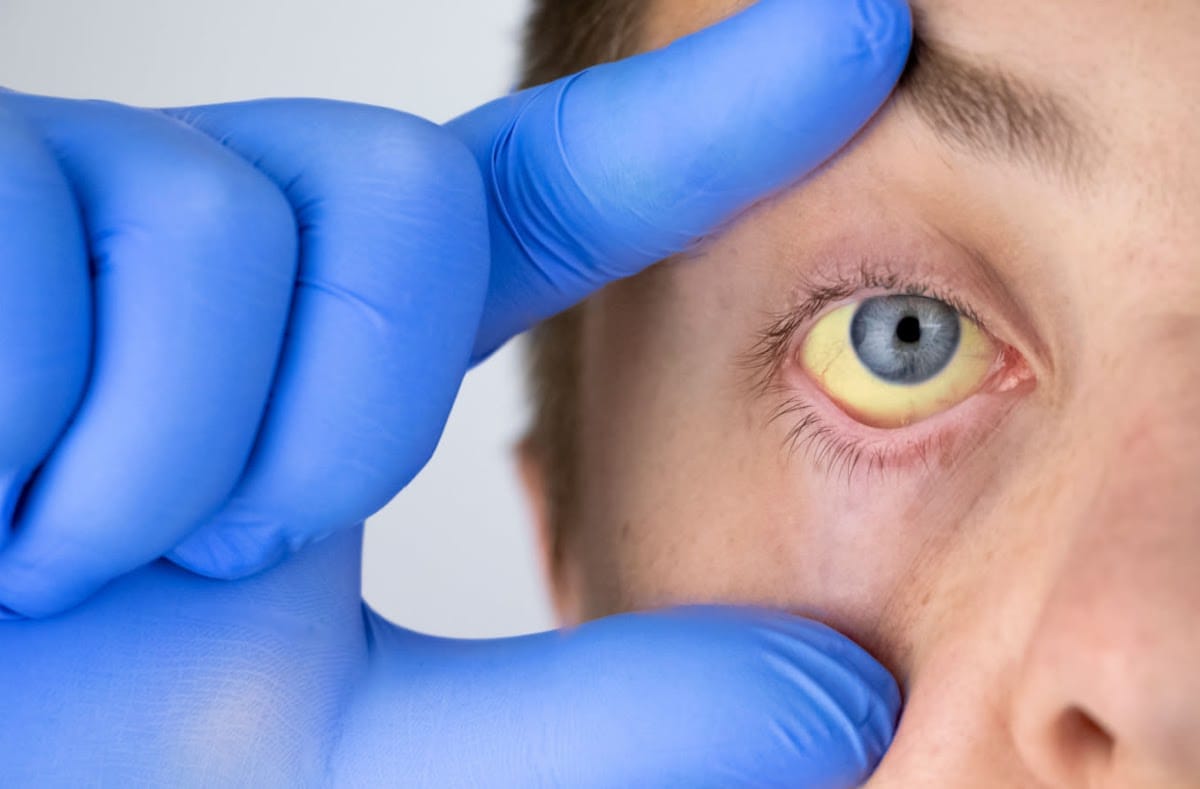
The conjunctiva is a thin membrane covering the white part of the eye. It might be paler than usual in a person with iron deficiency anemia. This may be because fewer red blood cells and less oxygen reach the eye’s tissues. Pale conjunctiva is a bit subtle and is one of the last symptoms or signs of iron deficiency; one should get it checked by a doctor if such a condition occurs.
5. Increased Chances of Eye Infection
Iron helps the immune system, so without it, a deficiency can weaken the immune response. This weakened state of immunity increases the chance of contracting eye infections such as conjunctivitis (pink eye), corneal infection, and other bacterial and viral diseases affecting the eyes. An iron deficiency may also result in slow healing of such an infection in the eye, prolonging discomforting symptoms.
Iron Deficiency and Specific Eye Conditions
Some eye conditions may be more susceptible to development or aggravation in people with iron deficiency. These include:
1. Cataracts
Cataract is a prevalent eye-related disorder associated with aging. The eye’s lens becomes cloudy in cataracts, causing blurred or dim vision. Oxidative stress is highly related to the origin of cataract formation, and since iron is implicated in resisting oxidative damage, iron deficiency could increase the risk for cataract development. Some studies have found that people with lower iron levels might have a higher risk of developing cataracts at an earlier age.
2. Macular Degeneration
Macular degeneration is a leading cause of vision loss, particularly among the elderly. It involves the deterioration of the macula, part of the retina that handles sharp, central vision. Like cataracts, oxidative stress has a hand in the development of macular degeneration, in which inadequate iron levels may increase. In addition, iron deficiency could weaken the ability of retinal cells to perform well and might accelerate the degeneration of the macula.
3. Dry Eye Disease (DED)
DED usually happens due to a disturbance of tear generation or excessive evaporation; the influence of iron regulates the state of tear secretion; hence, a deficiency will impair the gland’s functionality. People suffering from iron deficiency are prone to developing an eye disease resulting in disturbed tear production, known as dry eye, which may promote persistent discomfort and blurred vision and increase the possibility of different eye infections.
Recognizing the Symptoms of Iron Deficiency
While the symptoms related to iron-deficiency anemia are most often not directly associated with eye health, several signs and symptoms might indicate low levels. These include:
- Fatigue or weakness
- Pale skin or conjunctiva
- Shortness of breath
- Dizziness or lightheadedness
- Cold hands and feet
- Heart palpitations
- Hair loss or brittle nails
- Headaches
If you experience any of these symptoms, particularly if vision changes accompany them, it is essential to seek medical advice. Blood tests will confirm whether iron deficiency or anemia is the cause of your symptoms, and appropriate treatment can be recommended.
How to Treat Iron Deficiency and Improve Eye Health
If iron deficiency anemia is diagnosed, treatment generally includes increasing iron intake through dietary changes, supplements, or both. Iron supplements are often recommended, but iron infusions may be necessary in severe cases. Here are some ways you can improve your iron levels and, in turn, protect your eye health:
1. Iron Infusions
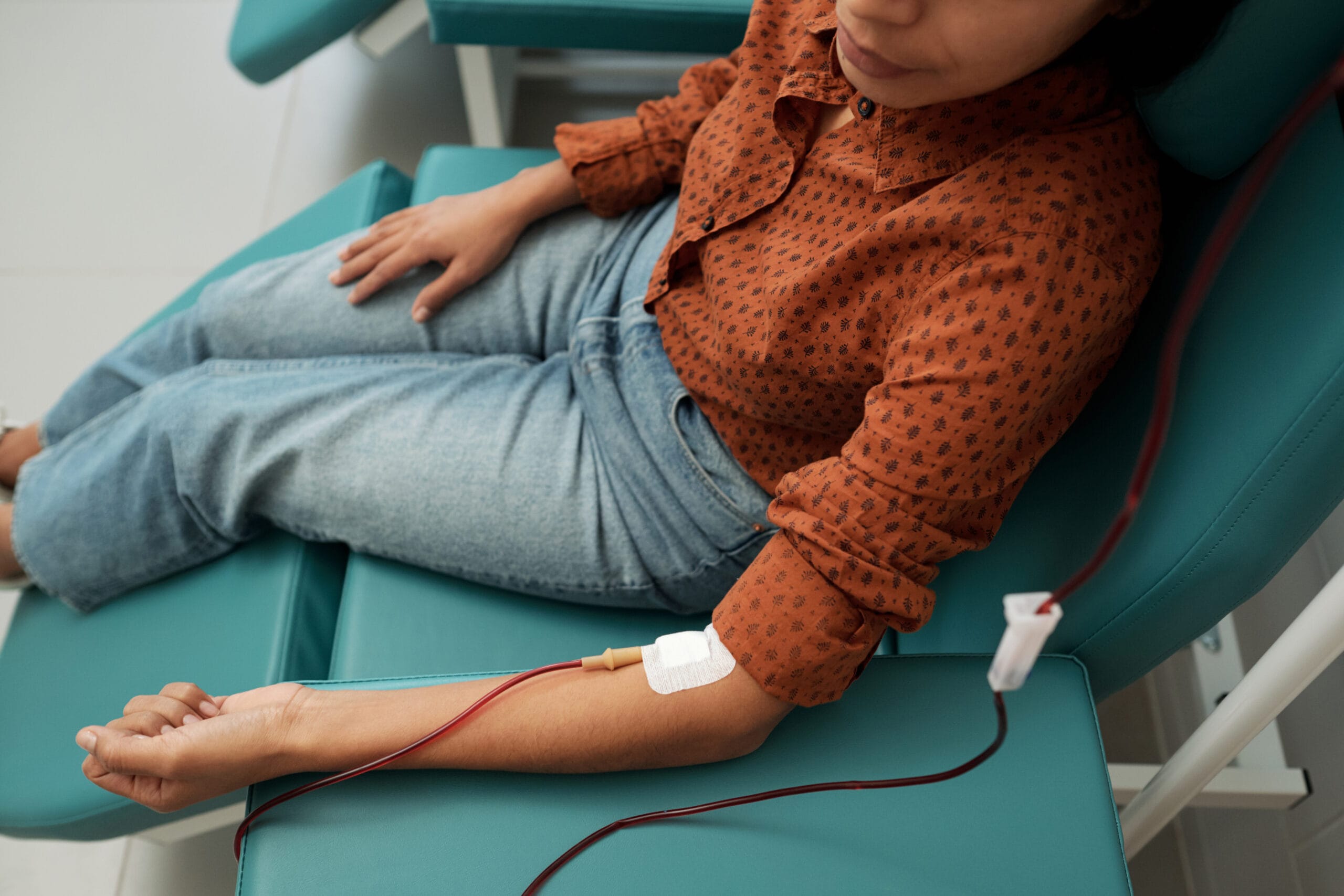
Iron infusions are medical treatments in which iron is delivered directly into the bloodstream via an intravenous drip. This method is particularly effective for individuals with severe iron deficiency who cannot tolerate oral iron supplements or need rapid replenishment of iron levels. While effective, iron infusions should only be administered under medical supervision to monitor for potential side effects, such as allergic reactions.
2. Increase Iron-Rich Foods
Incorporating iron-rich foods into your diet is one of the best ways to address iron deficiency. Foods high in iron include:
- Red meat, poultry, and fish (heme iron)
- Leafy green vegetables (e.g., spinach, kale)
- Legumes (e.g., lentils, beans)
- Tofu and tempeh
- Fortified cereals and grains
- Dried fruits (e.g., apricots, raisins)
- Nuts and seeds (e.g., pumpkin seeds, almonds)
3. Combine Iron with Vitamin C
Vitamin C increases the absorption of iron, also known as non-heme iron. Thus, consuming vitamin C-rich foods such as citrus fruits, strawberries, bell peppers, broccoli, and iron-rich plant-based foods enhances the absorption of nonheme iron.
4. Iron Supplements
Sometimes, however, dietary changes alone will not raise iron levels adequately, and supplementation may be necessary. Iron supplements are available in several forms, including ferrous sulfate or gluconate. Since iron supplements often have constipating or stomach-upsetting side effects, one should seek guidance from a healthcare provider on taking iron supplements.
5. Avoid Iron Blockers
Certain foods and beverages, such as tea, coffee, and foods containing calcium, reduce iron absorption. As much as possible, avoid such foods at meal times when you are eating iron-containing foods.
6. Treatment of Underlying Conditions
Iron deficiency anemia may manifest many other underlying conditions, usually related to gastrointestinal bleeding, heavy menstrual flow, or poor absorption. The root cause of the deficiency must be addressed to prevent its recurrence.
While iron deficiency may seem like a far-fetched concern regarding eye health, it plays a vital role in maintaining good vision. Iron deficiency’s effects on the eyes range from increased eye strain and dry eyes to more severe conditions such as cataracts and macular degeneration.
If you suspect an iron deficiency, you must seek medical advice and get tested to take further remedial action to improve your iron levels. In this way, you would also contribute to the long-term health of your eyes and general health.