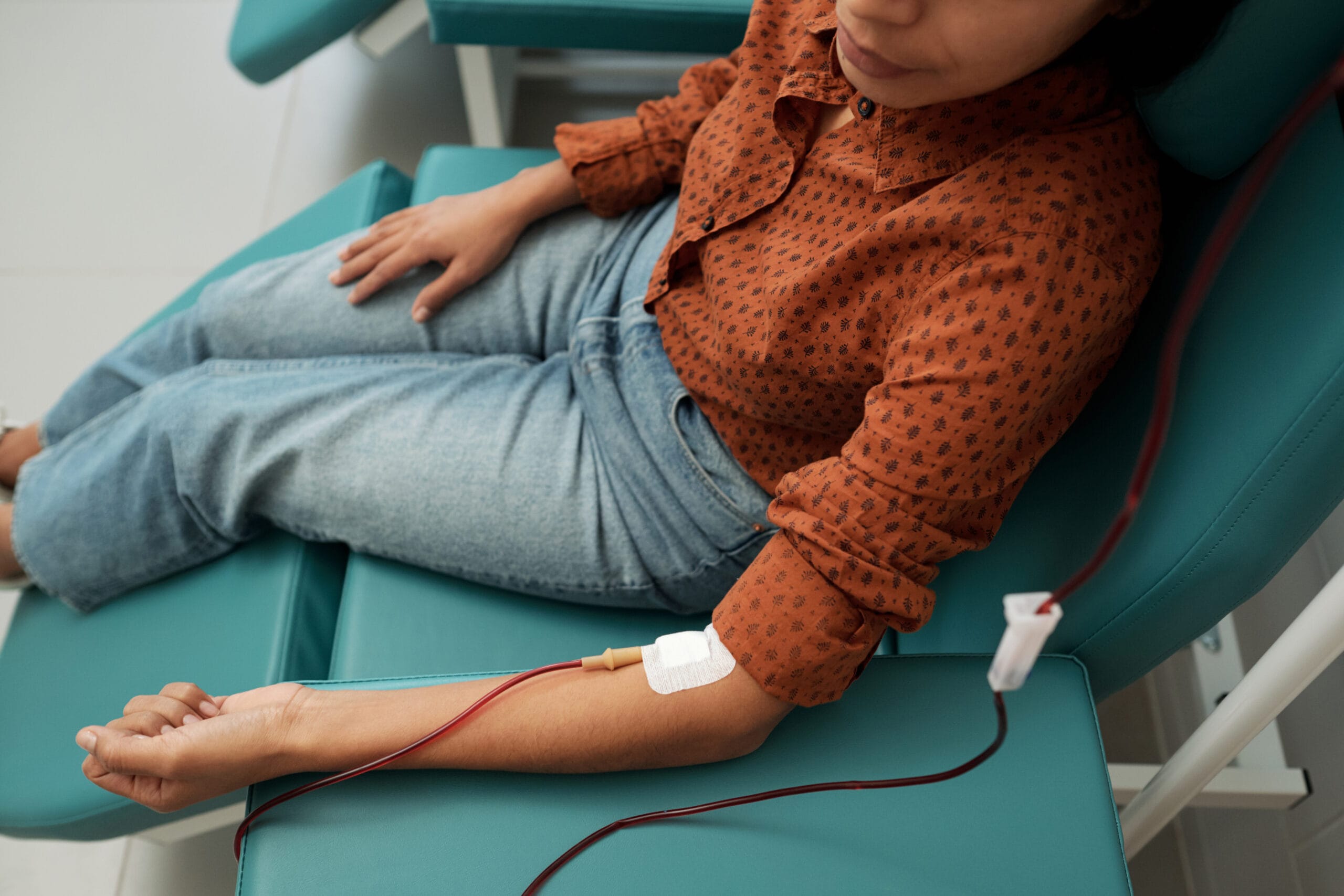
Weight loss can often feel like an uphill battle. Whether it’s due to metabolic challenges, a lack of time, or the overwhelming number of diets and weight loss trends, many people end up frustrated with little or no results. In such cases, considering proven treatment options may be the key to overcoming these obstacles.
Women, in particular, may face unique challenges when it comes to losing weight, especially those who are navigating the aftermath of pregnancy, perimenopause, or menopause. Thankfully, effective weight-loss treatments are available to support all women, from new mothers working to shed post-pregnancy weight to those simply aiming to maintain a healthy weight.
Here’s an overview of some of the most effective strategies and treatments for those struggling with weight loss.

1. Medical Weight Loss Programs
For many, the path to successful weight loss involves a medically supervised weight management program. These programs are customized to your individual needs and health circumstances, offering personalized guidance and support throughout your journey.
What’s Included
- Nutritional Counseling: Health professionals, including physicians, will work with you to create an eating plan tailored to your specific calorie and nutritional requirements, food preferences, and lifestyle.
- Behavioral Therapy: Weight loss often involves addressing the underlying behaviors and habits that lead to overeating or poor food choices. Therapy helps you take control of your eating habits and make lasting changes.
- Prescription Medications: In some cases, physicians may recommend weight loss medications that help curb appetite or boost fat metabolism. Medications such as Orlistat, Phentermine, and GLP-1 receptor agonists like semaglutide may be prescribed. Medically supervised weight loss programs not only focus on dieting but also consider the emotional and behavioral factors that influence eating habits, providing a comprehensive approach to weight management.
2. Nutrition Therapy And Diet Modifications
When it comes to losing weight, what you eat is just as important as how much you eat. Professional nutritionists or dietitians can guide you toward a more balanced and healthy diet, tailored to your specific needs, which can help you shed pounds and maintain your weight.
A healthy, balanced diet is the foundation for successful weight loss and long-term health. But with so many different diet trends, it can be overwhelming to decipher which one may work best for you. The good news is, a healthy diet doesn’t have to be overly complicated or restrictive. You can create a sustainable eating pattern that supports your weight loss goals by focusing on whole, nutrient-dense foods and avoiding processed high-calorie options.
Whole foods are those that have very minimal processing and, therefore, remain in their near-natural form. They will include fruits, vegetables, whole grains, lean proteins, and healthy fats. Focusing on whole foods means your body is getting the nutrients it needs without the added sugars, unhealthy fats, or over-caloric additions associated with processed foods.
The hidden sources of empty calories that eventually bring about weight gain are usually added sugars and processed foods. They offer little to no nutritional value and can lead to blood sugar spikes and crashes, which can increase hunger and cravings.
3. Bariatric Surgery
When it comes to managing obesity and achieving long-term weight loss, bariatric surgery has become a popular and effective option for those struggling with severe obesity. Obesity is a chronic health condition that not only affects your body weight but also increases the risk of developing serious health problems like type 2 diabetes, high blood pressure, and other weight-related health issues.
Bariatric surgery, also known as weight-loss surgery, is designed to help individuals lose weight by making changes to the digestive system that limit food intake or reduce the absorption of nutrients. How Bariatric Surgery Helps You to Lose Weight Bariatric surgery isn’t a quick fix but has the potential to change life in individuals with a high body mass index with other weight-related health issues.
Normally, a person is said to be obese when their BMI is 30 or greater, and if you happen to fall in this category, bariatric surgery may be considered an option in case other ways of losing weight such as diet and exercise have not worked thus far. It offers one the most excellent modes of weight loss as it makes changes to one’s digestive system physically hence increasing the chance of achieving a healthy weight.
Types Of Bariatric Surgery Include
- Gastric Bypass-Roux-en-Y: The model of this surgery reduces stomach size and re-channels part of the small intestine, thereby restraining consumption areas of food as well as absorption areas.
- Gastric Sleeve (Sleeve Gastrectomy): This is the partial removal of your stomach, leaving you with a smaller, sleeve-shaped stomach that tends to feel full after eating a small amount of food.
- Adjustable Gastric Banding (Lap-Band): The upper part of your stomach is encircled with a band that limits how much food it can contain, giving you that feeling of fullness after smaller portions of food.
- Biliopancreatic Diversion with Duodenal Switch (BPD/DS): This is a more complicated surgery in which the stomach size is reduced and the intestines are altered to limit calorie and nutrient absorption.
These procedures can greatly reduce excess body weight and alleviate related health issues, enabling patients to attain and maintain a healthy weight more easily.
Bariatric Surgery and Weight-Related Health Problems
Indications for bariatric surgery usually include management and reduction of comorbidities due to obesity. It has been observed that obesity is the root cause of almost all serious health issues, including type 2 diabetes, high blood pressure, sleep apnea, and even certain types of cancer. Weight loss through bariatric surgery can reverse or significantly improve these conditions.
1. Type 2 Diabetes and Bariatric Surgery:
Bariatric surgery has remarkably enhanced blood sugar control in the case of patients with type 2 diabetes; it even leads to remission of the disease in most cases. Since this is obesity-related diabetes, one will find that losing weight and, therefore, becoming more sensitive to insulin will be able to come off medication or rely less on drugs following a bariatric surgery.
2. High Blood Pressure and Obesity:
The major cause of high blood pressure that comes with obesity contributes to the emergence of heart diseases and stroke. The rate of reduction of blood pressure by bariatric surgery is very considerable in that it just sets the ground for losing weight. This relieves stress on the heart and the vessels, which helps improve one’s overall heart health.
3. Sleep Apnea and Other Health Conditions
Sleep apnea, which includes periodic cessation of breathing during sleep, is closely interconnected with obesity. Weight loss after bariatric surgery may reduce or even eliminate sleep apnea, leading to an improvement in the quality of sleep and health in general.
4. The Role Of GLP-1s like Semaglutide Or Tirzepatide In Weight Management
In addition to bariatric surgery, medications like semaglutide or tirzepatide can be used to support weight loss efforts. Semaglutide is a medication originally used to treat type 2 diabetes, but recent studies have shown it can also be highly effective for weight management in individuals with obesity. By reducing appetite and promoting satiety, semaglutide can help individuals manage their body weight and support healthy eating habits.
While bariatric surgery is a more permanent solution, medications like semaglutide can be part of a comprehensive weight-loss plan, especially for those who may not be candidates for surgery. In combination with lifestyle changes and a healthy diet, semaglutide can help individuals with a BMI over 30 lose weight and improve their health.
Other Weight Loss Medications
- Orlistat: Orlistat prevents the digestion of fat in the gastrointestinal tract. It is often prescribed along with diet and exercise and is generally a good option for women who need an added boost to lose weight.
- Phentermine: Phentermine is an appetite suppressant that reduces food intake to control calories. Suppose you are a female with health issues related to weight or slower metabolism after childbirth. In that case, phentermine may be an effective medication in suppressing appetite, thus making adherence to your weight loss plan easier.
Consulting a physician before taking medication for weight loss in the presence of comorbidities is essential.
5. Behavioral Therapy: The Psychological Aspect of Weight Loss
Women often have to overcome extraordinary psychological obstacles when it comes to losing weight, especially if they have experienced pregnancy or childbirth. Changes in hormones, emotional eating, and societal pressure to “bounce back” after having a baby can negatively affect motivation. Behavioral therapy is essential to address these emotional and psychological aspects of weight management.
Other Key Behavioural Therapy Options
- Cognitive Behavioral Therapy: CBT makes one more aware of negative thinking and actions against weight loss. When eating is done for emotional or stressful reasons, which often happens with new mothers, CBT will help change these to healthier coping mechanisms.
- Mindful Eating: This is eating when hungry and stopping when satisfied. It helps women avoid overeating, especially under stress. Focusing on the sensory eating experience can help reduce cravings and emotional eating.
- Support Groups: In-person or online, joining a support group, especially for new mothers, provides motivation, accountability, and the emotional support needed to stay on track with your weight-loss goals.
While weight-loss surgery may be life-changing, it should be the last resort after considering all other options and discussing risks with your healthcare provider.
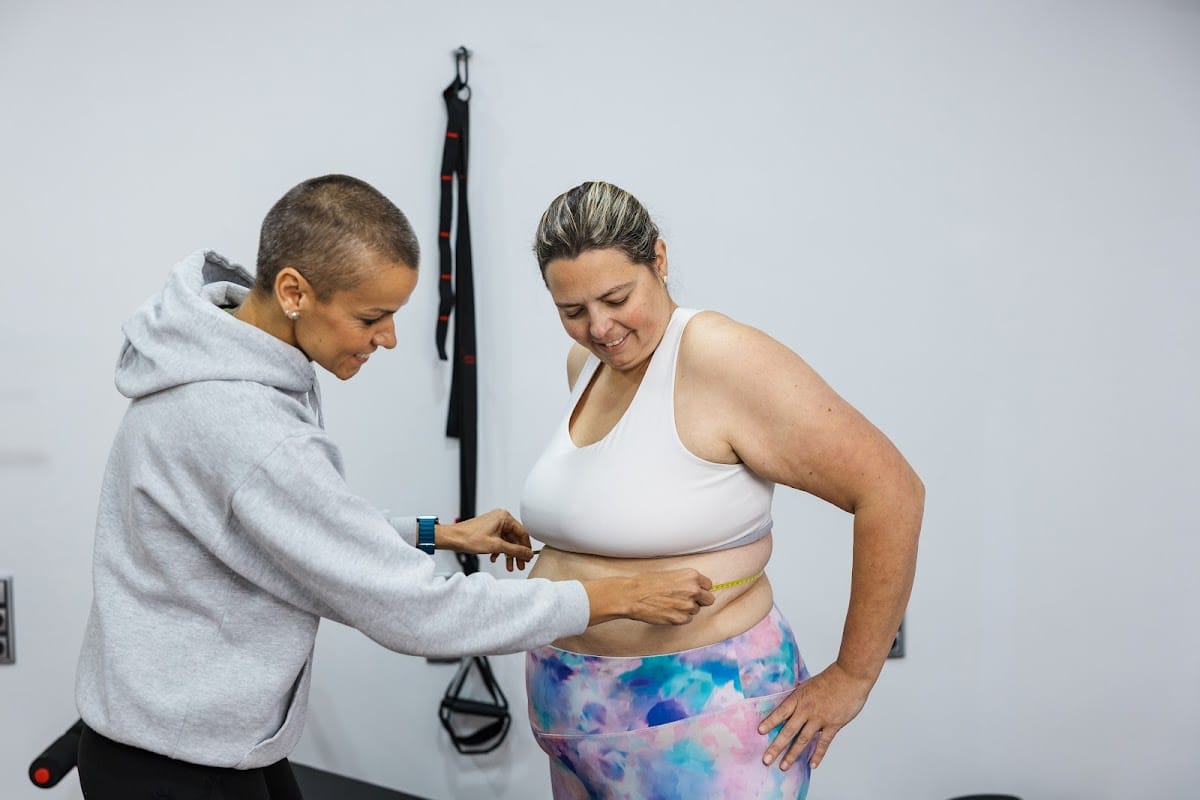
6. Hormonal Treatments
For some individuals, hormonal imbalances can interfere with weight loss efforts. Conditions like hypothyroidism or polycystic ovary syndrome (PCOS) can make losing weight more difficult due to metabolic disruptions. In these cases, hormonal treatments may be necessary.
Treatment Options Include:
- Thyroid Medication: For those with hypothyroidism, thyroid hormone replacement therapy can help regulate metabolism and make weight loss easier.
- Insulin Sensitivity Treatments: Medications like Metformin can improve insulin sensitivity, particularly for those with PCOS or prediabetes, helping with weight management.
By addressing underlying hormonal imbalances, individuals can improve their metabolism and increase their ability to lose weight.
In conclusion, weight loss is a highly individual journey, and it’s important to explore treatment options that best fit your unique needs. Whether you’ve recently had a baby or are perimenopausal or are simply working to shed excess weight, setting realistic goals is key.
Weight loss is a gradual process, and the most important factor is consistency. Focus on making sustainable lifestyle changes rather than seeking quick fixes or obsessing over the number on the scale. Small, steady progress can lead to significant improvements in your overall health.
Also remember that consistency, patience, and seeking help from healthcare professionals are vital to dealing with weight loss. Consult a doctor or a certified nutritionist, such as those at like Heme On Call to determine the most suitable treatment for you. Take that first step today toward a healthier, happier you.