
Weight management has been one of the major concerns in people’s fast-moving lives. Obesity can be linked to a variety of health issues: type 2 diabetes, high blood pressure, and heart disease are some to name. Digital healthcare has brought new dimensions to health facilities, and telehealth solutions have proved to be one of the most efficient approaches to weight reduction. Some sites offer physician-provided services, such as weight loss medication prescribed through the FDA, personalized design for weight loss, and remote follow-up treatments.
If you seek the best telehealth for weight loss, this guide will take you through the steps to find a suitable platform to suit your needs. Essential factors such as telehealth services, prescription weight loss medication, online weight loss programs, and insurance coverage will be explored in this work.
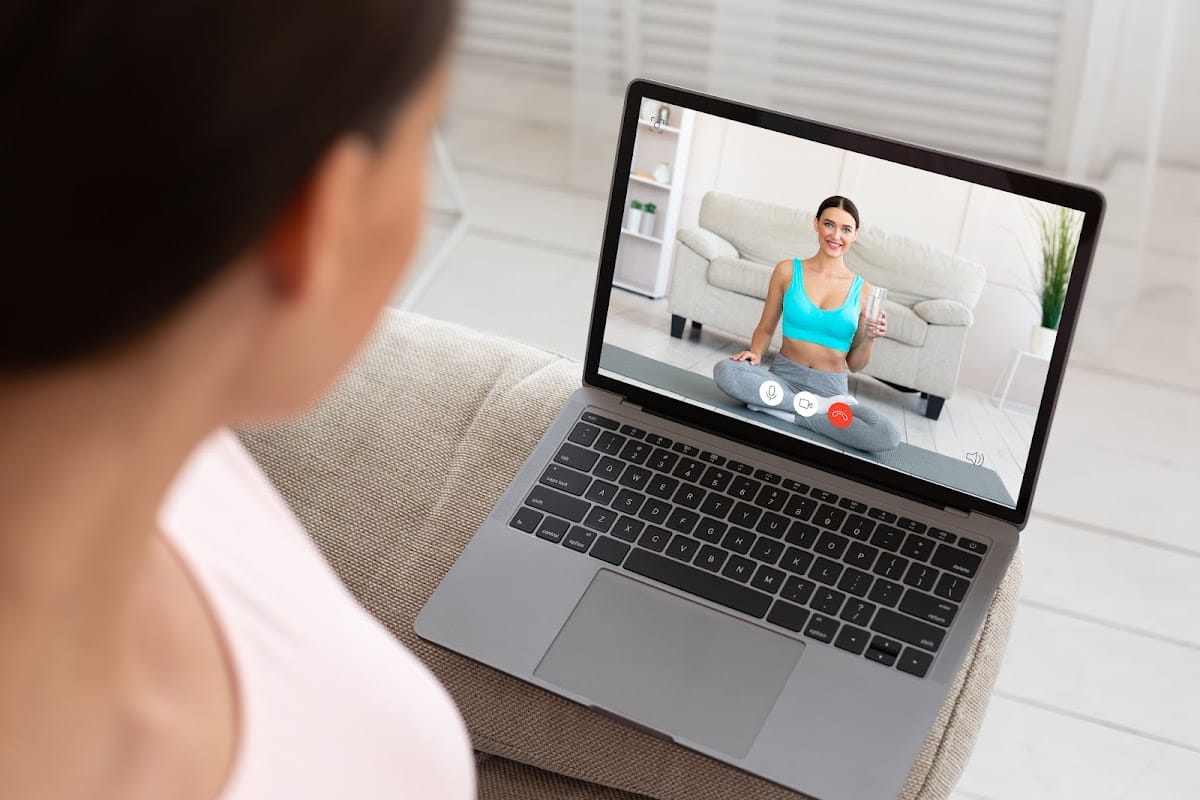
Step 1: Understand Telehealth for Weight Loss
Telehealth is any remote healthcare service provided online to patients whereby one can get consultations, prescriptions, and weight management programs without necessarily having to show up in the hospital. The services have become very popular, especially with the increasing acceptance of telemedicine and FDA-accepted drugs like semaglutide (Wegovy and Ozempic) and phentermine meant for weight loss. Telehealth platforms are developed to fill the gap between patients and healthcare providers, offering comprehensive weight loss solutions tailored to the needs of each patient.
One of the significant reasons telehealth is a massive advantage in weight loss is that care can be given from the comfort of one’s own home. Most people find it challenging to schedule a traditional doctor’s visit amid work or family commitments, so that telehealth solutions can be practical and efficient. Additionally, telehealth companies offer real-time tracking tools and virtual consultations that help healthcare providers monitor progress and adjust prescriptions and lifestyle recommendations.
Benefits of Telehealth for Weight Loss:
- Convenience: Connect with healthcare providers from anywhere to avoid traveling and long wait times.
- Personalization: Custom weight loss programs tailored to medical history, current medications, and desired weight loss goals.
- Prescription Services: Prescription of GLP-1 medicines like Ozempic and Wegovy, among other FDA-approved drugs, may be prescribed by the providers.
- Continuous Support: Ongoing medical weight loss monitoring through telehealth visits keeps patients on track with their weight loss.
- Insurance Coverage: Some telehealth options are covered by insurance, significantly reducing out-of-pocket expenses for prescription weight loss medication and consultations.
- Access to Experts: Many telehealth platforms connect users with healthcare providers specializing in obesity medicine, ensuring that treatment plans are evidence-based and tailored to patients’ needs.
As telehealth is a fast-growing technology, people can participate in structured, evidence-based, personalized weight loss programs without leaving their comfort zones.
Step 2: How to Assess Telehealth for Weight Loss
When seeking out the best telehealth for weight loss, a person should compare available platforms and consider several factors to be sure they receive quality care and effective treatment. Here’s what to consider :
1. Accreditation and Qualifications
- Look for platforms affiliated with board-certified healthcare providers, mainly those certified by the American Board of Obesity Medicine.
- Ensure the service will include licensed medical professionals who can safely prescribe weight loss medicines responsibly.
- Verify that the telehealth provider complies with FDA regulations and follows standard medical protocols.
2. Prescription Services and Medications Offered
- A reputable telehealth platform should carry various weight loss prescriptions, from Ozempic and Wegovy as GLP-1 agonists to phentermine and other FDA-approved prescription drugs.
- Some service providers may also provide compounded medication for those individuals who do not respond well to traditional medications.
- Establish if the platform allows providers to prescribe GLP-1s and other weight loss medications based on in-depth medical analysis.
3. Insurance Coverage and Cost Transparency
- Ascertain that the telehealth service accepts insurance and your weight loss medication is covered to lower out-of-pocket costs.
- Ensure transparent pricing for prescription weight loss medication and telehealth visits is provided.
- Some platforms subscribe and give discounts for long-term weight loss programs, making treatment less costly.
4. Ease of Use and Accessibility
- The best telehealth platforms should have intuitive interfaces that make consultations, prescription refills, and progress tracking much more effortless.
- The services should be accessible via mobile applications, web portals, and virtual consultations.
- It should be easy for the patients to schedule for visits regarding telehealth and communicate with healthcare providers without queues.
5. Medical Supervision and Support
- A good telehealth platform should offer follow-up support regularly for follow-up on patients to maintain weight loss for long-term weight management.
- Providers should offer comprehensive counseling on lifestyle modification, including diet and exercise programs, complementary to medication-based treatments.
- Some platforms integrate with online pharmacies to facilitate convenience in getting and refilling prescriptions.
Careful assessment of telehealth platforms for the criteria above will help individuals find the optimal options in telehealth that precisely meet their needs in weight loss and assure them that this weight management journey is safe, effective, and sustainable.
Step 3: Medication Options Explained
Most telehealth services will give access to medicines available for weight loss. The medicines are crucial in handling the case of obesity by reducing one’s appetite, controlling blood sugar levels, and limiting fat absorption in the body. Some of the most effective and widely prescribed weight loss drugs include the following:
1. GLP-1 Drugs
- Ozempic (semaglutide): Though initially developed for type 2 diabetes treatment, it has found its broad use in weight management because of its ability to regulate appetite and improve blood sugar levels.
- Wegovy: This is an FDA-approved drug for weight reduction, developed to help individuals get to a healthy weight and support them in its maintenance.
- Others: GLP-1 agonists work by giving the signal in the brain indicating fullness so that food intakes are cut down.
2. Phentermine
- One of the most commonly prescribed appetite suppressants, it facilitates weight loss by reducing food cravings.
- Often used for short-term weight management in medical weight loss programs.
- It works best when diet and exercise come into play to maximize results.
3. Other FDA-Approved Medications
- Orlistat (Alli, Xenical): This helps block the absorption of some fat in the intestines, which decreases calorie intake.
- Contrave: A combination of naltrexone and bupropion, it acts on the brain receptors that deal with appetite and cravings.
- Weight loss drugs compounded: Several telehealth platforms provide tailored medication blends to patients who don’t respond well to conventional weight-loss drugs.
These medications can make a significant difference in weight loss and improvement of long-term weight management, mainly when prescribed by a licensed healthcare provider and taken under close monitoring. Before commencing the new medication regime, possible side effects, insurance coverage, and suitability must be discussed with your telehealth provider.
Step 4: Evaluate Online Weight Loss Programs
Besides prescription medication, many telehealth companies offer online weight loss programs that include personalized coaching, nutritional guidance, and lifestyle recommendations. These programs may consist of the following:
- Individualized diet and exercise programs.
- Weight loss injections as part of an FDA-approved treatment plan.
- Support groups and counseling to help with motivation and adherence to a weight loss regimen.
- Access to online pharmacies that provide convenient medication delivery.
Step 5: Choosing The Best Fit For Your Needs
Once you’ve reviewed available telehealth options, the next step is selecting the best fit for your weight loss goals. Consider factors such as:
- Your medical history: Some medications may not be suitable based on your other medications.
- Potential weight loss: Different medications and programs offer varying degrees of weight loss effectiveness.
- Long-term support available: Ensure the telehealth service has long-term use plans available to maintain weight loss results.
- Insurance and cost: Determine if your chosen platform and weight loss prescriptions are covered by insurance or if you have to pay out-of-pocket.

Step 6: How To Start With Telehealth For Weight Loss
Once you’ve found the appropriate telehealth platform, here is how you can get started:
- Set an Initial Consultation Appointment: Weight loss history, previous medical record, and current intentions should be presented to a healthcare provider.
- It can be followed with a prescription that may be issued for GLP-1s or weight loss medications.
- Follow a Structures Care Plan: With your health professional, initiate appropriate diet and physical activity behavior with your medicine.
- Follow-Up: Monitor the progress through the telehealth platform, making necessary medication adjustments.
- Weight Loss Maintenance: Follow long-term weight management behaviors that extend beyond medication use and continue weight loss.
Telehealth has revolutionized how people pursue weight loss; obtaining medical consultations and prescriptions and pursuing personal care has never been easier as all these can be done from the comfort of home, ranging from FDA-approved medications and weight loss injections to even online weight loss programs.
HEME ON CALL commits to expert-driven, value-based telehealth services that include helping one achieve weight loss as safely and effectively as possible. With licensed healthcare providers, personalized treatment plans, and access to FDA-approved weight loss medications, HEME ON CALL assures you of quality care tailored to your needs.
If you are serious about managing weight loss, search for telehealth today and find a medical professional, or contact us to work with you on your safe and compelling journey to achieving your goal weight.