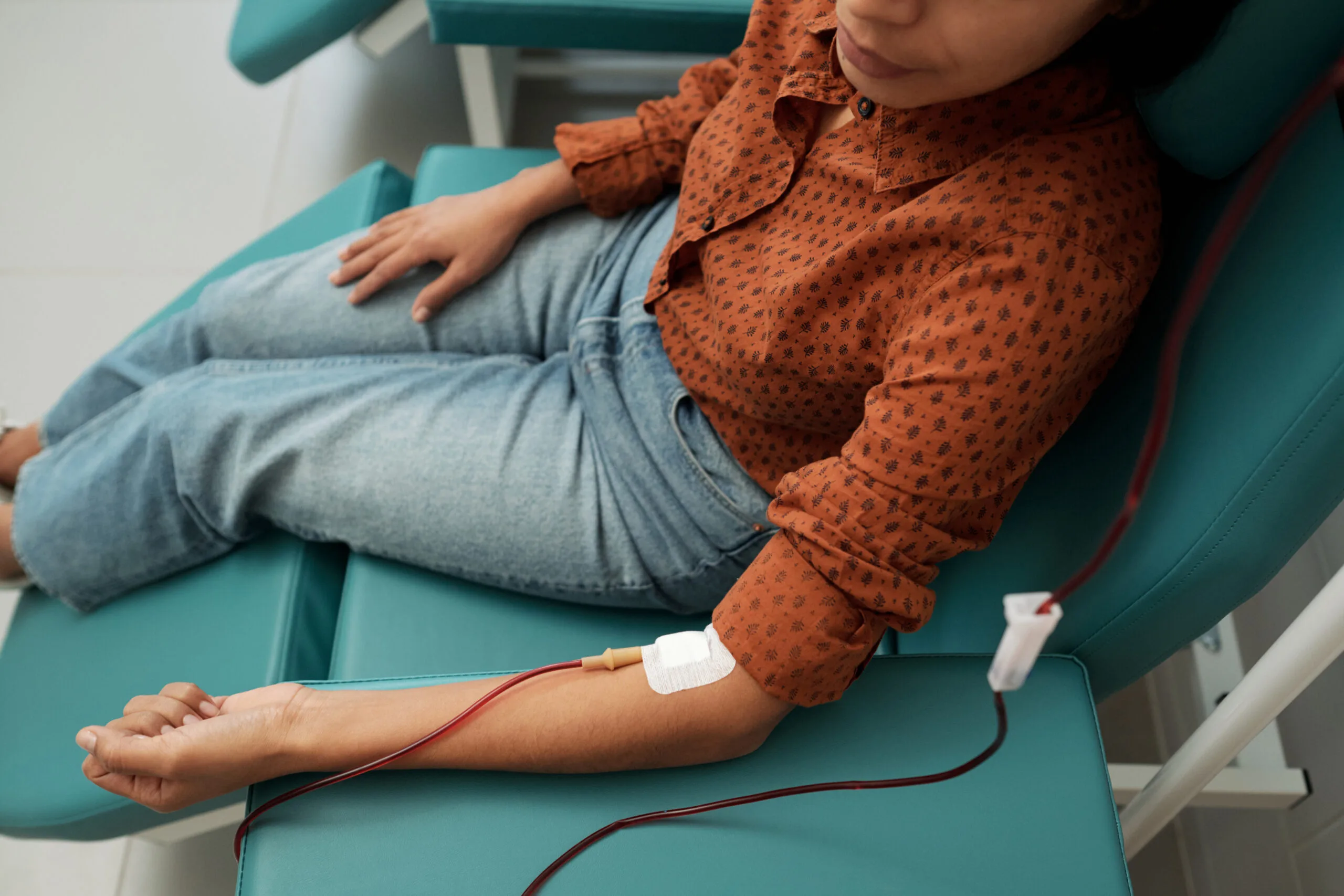
Anemia, particularly iron deficiency anemia, afflicts millions of individuals worldwide, resulting in weakness, fatigue, and poor quality of life. Iron deficiency can leave you feeling fatigued, drained, and far from your best self. When the body lacks enough iron, it struggles to produce healthy red blood cells, leading to anemia that affects your energy levels and overall health.
One effective solution to combat this condition is iron infusion therapy, which delivers iron directly into the bloodstream via an IV. This approach is quickly gaining traction for those who struggle with oral iron supplements or have significantly low iron levels.
The Different Types Of Anemia Explained
Understanding the various types of anemia is key to managing your health. Iron deficiency anemia, the most common form, occurs when your body lacks sufficient iron to produce hemoglobin, an essential component of red blood cells that carries oxygen throughout the body.
- Iron Deficiency Anemia – The most common form, caused by a lack of iron, often due to poor diet, blood loss (from menstruation, surgery, or internal bleeding), or inadequate absorption.
- Vitamin Deficiency Anemia – Caused by a lack of essential vitamins like B12 and folate.
- Chronic Disease Anemia – Associated with conditions like kidney disease, cancer, or autoimmune disorders.
- Hemolytic Anemia – Occurs when red blood cells are destroyed faster than they can be produced.
- Aplastic Anemia – A rare but serious condition where the body stops producing enough red blood cells.
Sickle cell anemia, while different, is another type that requires attention. This inherited condition results in abnormal hemoglobin, causing red blood cells to become misshapen and leading to blockages in blood flow, severe pain, and other health complications. Unlike iron deficiency anemia, which is often caused by inadequate iron intake or absorption issues, sickle cell anemia is primarily genetic and cannot be treated with iron infusion.
Common Causes Of Anemia And Iron Deficiency
Anemia occurs when the body lacks sufficient red blood cells (RBCs) or hemoglobin, leading to inadequate oxygen delivery to tissues. The most prevalent form, iron-deficiency anemia (IDA), arises due to iron deficiency, an essential component in hemoglobin production. Common causes include:
- Poor dietary intake (low iron consumption, vegetarian/vegan diets without proper supplementation)
- Chronic blood loss (heavy menstruation, gastrointestinal bleeding, ulcers)
- Increased iron demand (pregnancy, growth spurts)
- Malabsorption issues (celiac disease, Crohn’s disease, bariatric surgery)
Symptoms of anemia include fatigue, weakness, dizziness, shortness of breath, pale skin, headaches, and difficulty concentrating. If left untreated, severe anemia can lead to organ damage, heart problems, and complications during pregnancy.
Symptoms Of Anemia That May Require Iron Infusion
Fatigue isn’t the only sign that your body may be suffering from anemia. Common symptoms include weakness, pale skin, and dizziness. You might also experience shortness of breath, especially during physical activities, and heart palpitations. These symptoms arise because your body isn’t getting the oxygen it needs, which can severely impact your quality of life.
If you’re dealing with chronic fatigue despite adequate sleep or find that physical exertion becomes increasingly difficult, anemia could be the underlying cause. Iron deficiency anemia, in particular, develops when the body lacks iron to produce hemoglobin. This can happen due to poor dietary intake, gastrointestinal issues, or even blood loss. Recognizing these symptoms is crucial, as they signal the need for prompt medical evaluation and treatment.
In many cases, an iron infusion may be necessary to restore your iron levels quickly and relieve the troubling symptoms of anemia. Ignoring these signs can lead to more severe health issues, making it vital to consult a healthcare provider if you suspect you’re experiencing any of them. Taking action now can pave the way for better health and vitality.
Why Iron Infusions?
Iron is a critical nutrient required for producing hemoglobin. Without sufficient iron, the body cannot produce enough hemoglobin, leading to anemia. While mild cases can often be managed through diet and supplements, more severe cases require medical intervention.
Iron infusions are a medical treatment used to replenish iron levels quickly and effectively. They are particularly beneficial for individuals who:
- Have severe iron deficiency anemia that does not respond well to oral supplements.
- Cannot tolerate oral iron due to gastrointestinal side effects (constipation, nausea, or stomach pain).
- Suffer from conditions that impair iron absorption (such as Crohn’s disease, celiac disease, or gastric bypass surgery).
- Experience chronic blood loss due to heavy menstruation, internal bleeding, or frequent blood donations.
- Have kidney disease and are on dialysis, which increases the need for iron.
Iron infusions are administered intravenously (IV) in a medical setting, probably in a hospital or clinic. It can initially require a medical screening, where the physician assesses iron status by using blood analyses like ferritin, hemoglobin, and transferrin saturation. After having been screened, the patient is then prepared for infusion, which takes anywhere from 15 minutes to several hours depending on the type of iron used.
Throughout the administration process, a controlled quantity of iron is directly infused into the blood system through an IV drip. Throughout the procedure, patients are constantly observed for side effects, such as allergic reactions or a drop in blood pressure. After infusion, patients are asked to rest and drink water. Follow-up blood tests are scheduled to check on progress and ensure iron levels are rising.
Iron Infusions vs. Traditional Treatment
Oral iron supplements have been the treatment of choice for iron deficiency anemia for decades. Oral iron therapy is where an iron supplement is taken to accumulate iron in the body over time. This method, however, has significant challenges:
- Gastrointestinal Side Effects: Patients often find oral iron to cause nausea, constipation, or upset stomach.
- Problems with Absorption: Some individuals cannot absorb oral iron efficiently due to underlying conditions, rendering iron supplementation inadequate.
- Delayed Response: Oral iron supplements may take several months to accumulate iron stores and restore the red blood cell count.
In contrast, intravenous iron is a quick and effective solution. In IV iron infusion, iron is administered in the blood system, bypassing the digestive system. The mechanism allows the body to absorb iron instantly and effectively.
For patients with intolerance or non-responsiveness to oral iron who cannot take sufficient iron through oral iron supplements, taking iron through an IV iron infusion is appropriate for treating iron deficiency. Intravenous iron therapy is most beneficial to individuals with chronic kidney disease or significant blood loss, as intravenous iron treatment can increase iron levels quickly and efficiently.
How To Prepare For An Iron Infusion Procedure
Preparing for an iron infusion is straightforward but essential for a smooth experience. Start by following any specific instructions from your healthcare provider. This may include dietary recommendations, such as avoiding certain medications that can interfere with iron absorption. Hydration is also vital; drinking plenty of water before your appointment can help with the IV process.
Arrive at the infusion center with any necessary paperwork and a list of your current medications. This will assist the medical staff in providing you with the best care possible. Be sure to inform them of any allergies or prior reactions to iron products.
It’s beneficial to wear comfortable clothing, as you’ll be seated for an extended period during the infusion. Bringing a book, music, or something to occupy your time can make the process more pleasant. Knowing what to expect will ease any anxiety about the procedure and allow healthcare professionals to focus on effectively boosting your iron levels. Proper preparation is key to maximizing the benefits of your iron infusion treatment.
The Benefits Of Intravenous Iron Infusions
Iron infusions possess several convincing benefits over traditional oral iron therapy, particularly in the case of iron deficiency anemia patients.
Key advantages are:
- Rapid Increase in Iron Levels: With intravenous iron, the iron levels rise quickly, and therefore, patients improve with more energy and general well-being earlier.
- Direct Delivery to the Bloodstream: Since the iron is delivered directly, the body absorbs it more effectively, leading to a faster recovery of healthy red blood cells.
- Reduced Gastrointestinal Side Effects: Patients with intolerability to oral iron or those with aggravating gastrointestinal side effects benefit from the direct delivery of iron through an IV iron infusion.
- Personalized Therapy: The dose of iron can be tailored to the patient’s blood cell count and iron stores so that patients receive only as much iron as they need to treat iron deficiency anemia.
- Best Suited for Specific Conditions: Intravenous iron is ideally suited for chronic kidney disease patients, heavy bleeding patients, and sickle cell anemia patients requiring more powerful iron therapy.
Because intravenous iron is such a potent iron replacement drug, most patients receiving iron infusions experience a rapid relief of symptoms. Physicians often remark that IV iron infusions are more effective than oral iron therapy in quickly increasing the body’s iron level.
The Role Of Intravenous Iron In Managing Chronic Conditions
Chronic conditions, such as chronic kidney disease, often complicate the management of iron deficiency. In these cases, oral iron supplements typically fail to provide sufficient iron levels, making intravenous iron infusions necessary. For patients with chronic kidney disease, maintaining proper iron levels is critical for overall health and effective management of the disease.
IV iron effectively restores iron levels and helps to improve hemoglobin concentrations. This not only alleviates symptoms of anemia but also enhances the patient’s ability to carry oxygen throughout the body. An increase in iron levels aids in preventing fatigue and improving energy levels, allowing patients to maintain a more active lifestyle.
Additionally, intravenous iron is beneficial for those experiencing blood loss due to chronic conditions. Whether from regular dialysis or other medical issues, these patients often struggle to retain enough iron in their bodies. Iron infusions provide a targeted solution that addresses these deficiencies more quickly and effectively than oral iron options.
Ultimately, understanding the critical role of IV iron in managing chronic conditions empowers patients and healthcare providers to take proactive steps towards better health management. Regular monitoring and timely interventions can lead to improved life quality and better overall health outcomes for those facing complex medical challenges.
The Iron Infusion Procedure — Safety Considerations
Intravenous iron infusions are generally safe, but there are significant safety considerations. Some patients may have side effects such as headache, muscle cramps, or temporary flushing during the infusion.
In a few cases, severe allergic reactions may occur during an iron infusion. If this happens, immediate medical care is needed, and a blood transfusion may be required in severe cases. There needs to be follow-up visits and laboratory examinations now and then to evaluate if iron reserves are being replenished and if the therapy works. By observing red blood cell count and iron levels, providers can fine-tune iron supplementation according to requirements.
Healthcare workers carefully assess the general health of every patient to determine whether an IV iron infusion is the ideal type of iron therapy. They consider the diagnosis of iron deficiency anemia, a patient’s medical history, and whether or not a patient has been intolerant to oral iron.
Who Benefits Most From Iron Infusions?
Specific categories of patients are particularly well-suited for iron infusions:
- Those with Severe Anemia: In situations where immediate correction of low blood levels is critical, IV iron infusion is suitable for treating iron deficiency.
- Patients with Gastrointestinal Disorders: Patients with compromised absorption of oral iron due to gastrointestinal side effects of oral iron are greatly benefited from intravenous iron.
- Pregnant Women: With their increased iron needs, pregnant women frequently require intravenous iron supplementation that cannot be achieved with oral iron.
- Chronic Kidney Disease Patients: Chronic kidney disease patients have difficulty keeping iron levels in check; hence, intravenous iron is essential to their care.
- Individuals with Sickle Cell Anemia: Because the disease disrupts iron metabolism, iron infusion therapy helps to restore red blood cell count and overall health.
- Children and Adults with Iron Deficiency: Adult anemia or child anemia, whatever the case, people with low blood iron levels are best served by IV iron to restore healthy red blood cells quickly.
By creating a direct route for iron delivery, intravenous iron offers a targeted way to increase the iron content in the body, ensuring that patients are adequately supplied with iron to produce healthy red blood cells and proper hemoglobin levels.
Receiving Iron Infusions For Optimal Health
Receiving iron infusions can significantly impact your well-being, especially if you’re struggling with iron deficiency anemia. The efficacy of these treatments is evident, as they provide immediate iron replenishment directly into your bloodstream. This method not only addresses symptoms like fatigue and weakness but also promotes overall health by improving hemoglobin levels.
After the infusion, ongoing monitoring of your iron levels is essential. Regular blood tests will help healthcare providers gauge your response and determine if additional treatments are necessary. Listening to your body is also crucial; be aware of any changes, both positive and negative, in your energy levels or symptoms after receiving infusions.
Staying proactive about your health means engaging with your healthcare provider about your iron needs. Discussing any concerns or questions you may have can lead to a more tailored treatment plan, ensuring you’re on the right track. By prioritizing iron infusion treatments and ongoing care, you can take significant steps towards restoring your iron levels and improving your quality of life.
How HEME ON CALL Helps Patients Navigate Intravenous Iron Infusion Therapy
At Heme On Call, we specialize in providing expert iron infusion therapy for patients struggling with iron deficiency anemia and other blood disorders. Our goal is to make the process of receiving IV iron infusions seamless, safe, and accessible, ensuring you get the best iron treatment without unnecessary delays.
As a leading telemedicine hematology practice, we offer personalized care tailored to your needs. Whether you’re dealing with chronic iron deficiency, pregnancy-related anemia, or conditions like Crohn’s disease and celiac disease, which impair iron absorption, our expert hematologists are here to help.
We understand that oral iron supplements don’t work for everyone. If you’ve experienced digestive issues with iron pills or need a faster, more effective way to restore iron levels, our iron infusion centers across Florida provide a convenient and efficient solution.
What to Expect from an Iron Infusion at Heme On Call
- Comprehensive Evaluation – Our hematologists assess your iron levels with specialized blood tests to determine if an IV iron infusion is right for you.
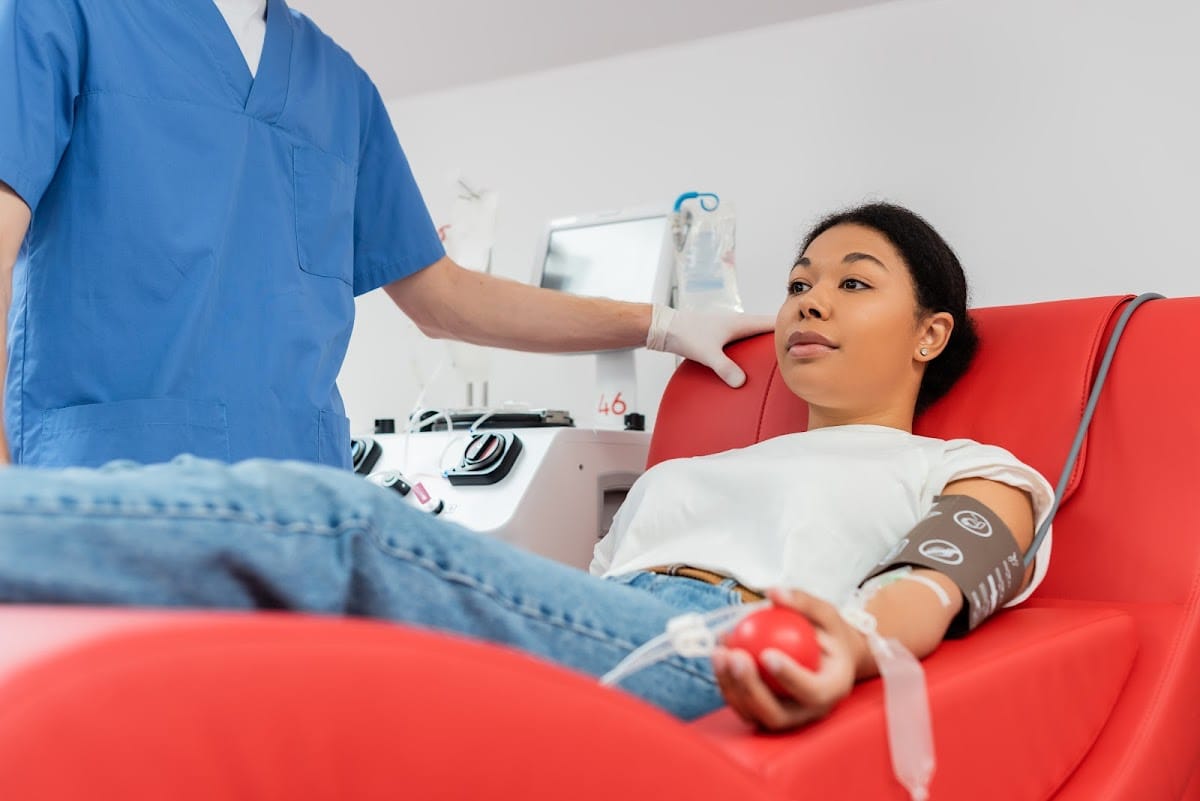
- Safe and Comfortable Infusion Process – We administer FDA-approved iron infusion treatments in a monitored setting, ensuring safety and minimal side effects.
- Fast and Effective Results – Unlike oral supplements, which take months to work, our iron infusions quickly replenish your iron stores, helping you regain energy, focus, and overall well-being.
- Multiple Locations for Your Convenience – Our iron infusion therapy is available in Hollywood, South Miami, Tampa, St. Petersburg, and North Palm Beach, making access to expert care easier than ever.
At Heme On Call, we take the guesswork out of treating iron deficiency. Our team of board-certified hematologists is dedicated to providing top-tier iron infusion care, helping patients feel their best again.
If you’re experiencing symptoms of anemia such as fatigue, dizziness, shortness of breath, or pale skin, don’t wait, schedule an iron infusion consultation today and take the first step toward better health.
Get Expert Iron Infusion Care With Us Today.
Book your consultation for iron infusion therapy with our specialists. Let us help you restore your iron levels and reclaim your vitality.
In conclusion, Anemia is not just fatigue. It can significantly impact your lifestyle and lead to serious health complications if left untreated. Iron infusions provide a powerful, effective, and sometimes life-saving treatment for patients battling severe iron deficiency. If you or someone you know is battling anemia, find a medical expert to determine if an iron infusion could be the solution to a healthy, renewed you.
By treating anemia before it begins, we can promote overall health, boost energy levels, and ultimately eradicate anemia step by step.