Globally, more than 40% of pregnant women are anemic, and at least half of that burden is due to iron deficiency. Iron deficiency in pregnancy is not just a lab abnormality. It’s associated with higher risks of low birth weight, preterm delivery, impaired neurodevelopment in the infant, maternal fatigue, and increased likelihood of maternal complications.
Iron is the single most frequently lacking micronutrient in pregnancy, even in well-nourished populations, because the body’s iron needs increase dramatically to support expanded maternal blood volume and the developing baby’s own iron stores.
The consequences of insufficient iron go beyond fatigue. Iron deficiency anemia in pregnancy is associated with higher risks of low birth weight, preterm delivery, impaired neurodevelopment in offspring, and increased maternal peripartum complications. Even iron deficiency without anemia can subtly degrade maternal energy, immunity, and fetal brain development.
Understanding why pregnant people need iron more than ever, how to screen for and manage iron deficiency, and when to escalate to expert care (like the hematology telemedicine services at Heme On Call) can change outcomes for both mother and child.
What Makes Iron So Critical in Pregnancy?
During pregnancy, a woman’s blood volume expands by roughly 40–50%, and red cell mass increases too, but not nearly as much as plasma volume, producing a relative dilution effect. At the same time, the growing fetus is extracting iron to build its stores, especially critical for brain development. These combined demands mean that iron requirements during pregnancy increase dramatically.
Pregnancy reshapes maternal physiology. Blood volume expands significantly, and the developing fetus draws iron to build its stores, especially for brain development. At the same time, maternal hemoglobin production must keep pace to sustain adequate oxygen delivery. That combination means iron requirements during pregnancy increase dramatically, and the margin between sufficiency and deficiency narrows.
Iron is essential for:
- Hemoglobin synthesis and oxygen transport.
- Fetal neurodevelopment, particularly in the third trimester when iron is preferentially allocated to the fetus.
- Maternal energy metabolism and immune competence.
Insufficient iron, whether as iron deficiency without anemia or as full-blown iron deficiency anemia in pregnancy, can undermine those systems even before classical symptoms appear.
The Consequences For the Mother
- Severe fatigue, weakness, and shortness of breath due to reduced oxygen-carrying capacity.
- Higher risk of postpartum hemorrhage and complications in the peripartum period.
- Impaired immunity and delayed recovery.
The Consequences For the Baby
Low birth weight and preterm delivery both of carry long-term health implications. Fetal and neonatal iron deficiency can translate into impaired cognitive and behavioral development, including poorer recognition memory and slower processing speed even after postnatal repletion.
Potential long-term neurodevelopmental consequences, with emerging associations to disorders in offspring when maternal iron is insufficient during crucial windows.
If maternal iron intake or absorption doesn’t keep up, iron deficiency develops, which can progress to iron deficiency anemia when hemoglobin levels fall. Even iron deficiency without anemia can have subtle but meaningful effects on maternal energy, immune function, and fetal neurodevelopment.
Recognizing Iron Deficiency and Anemia During Pregnancy
The cause of anemia during pregnancy is most commonly iron deficiency or acute blood loss, but iron deficiency is the predominant nutritional driver. acog.orgfiles.medelement.com
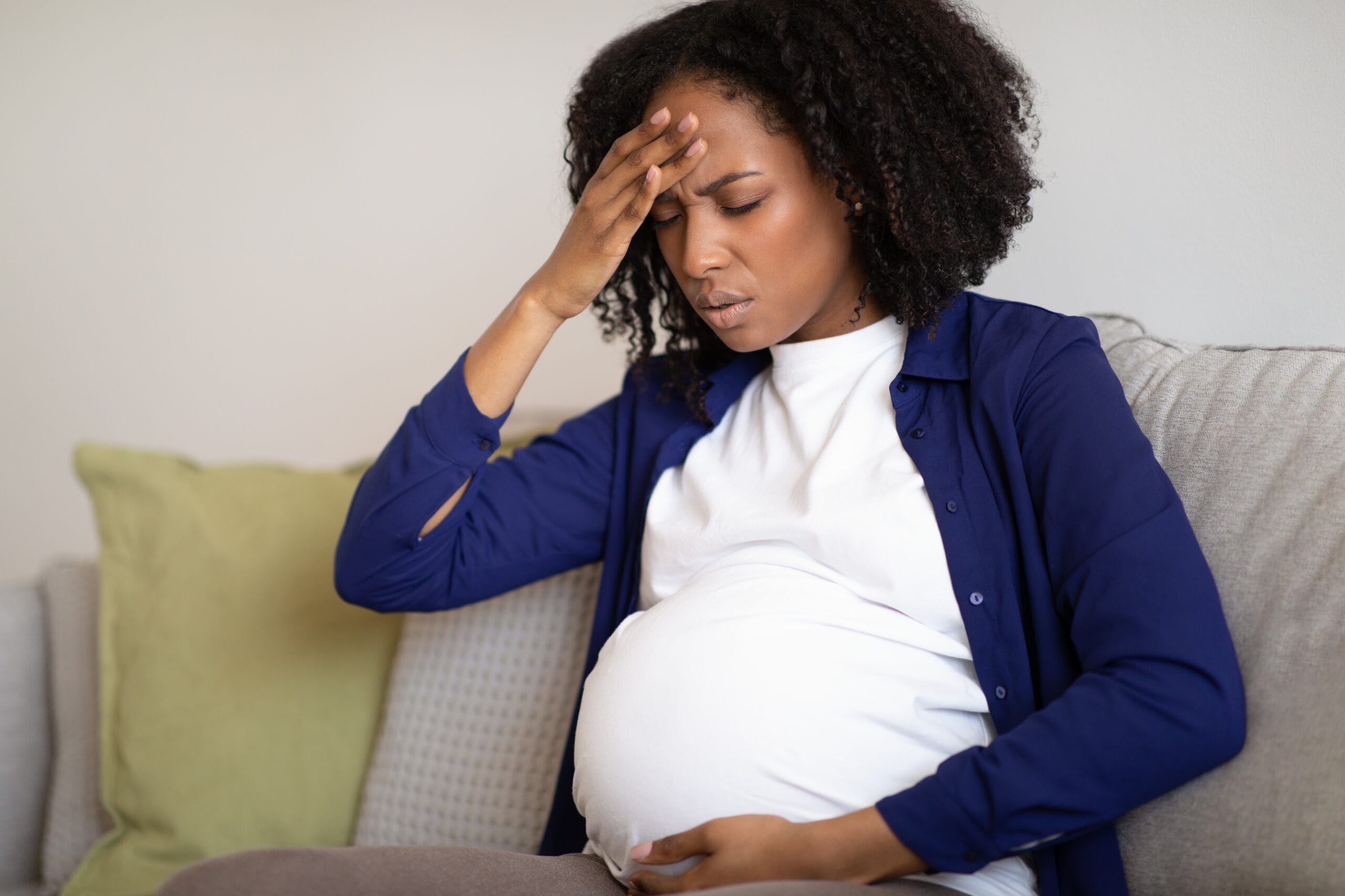
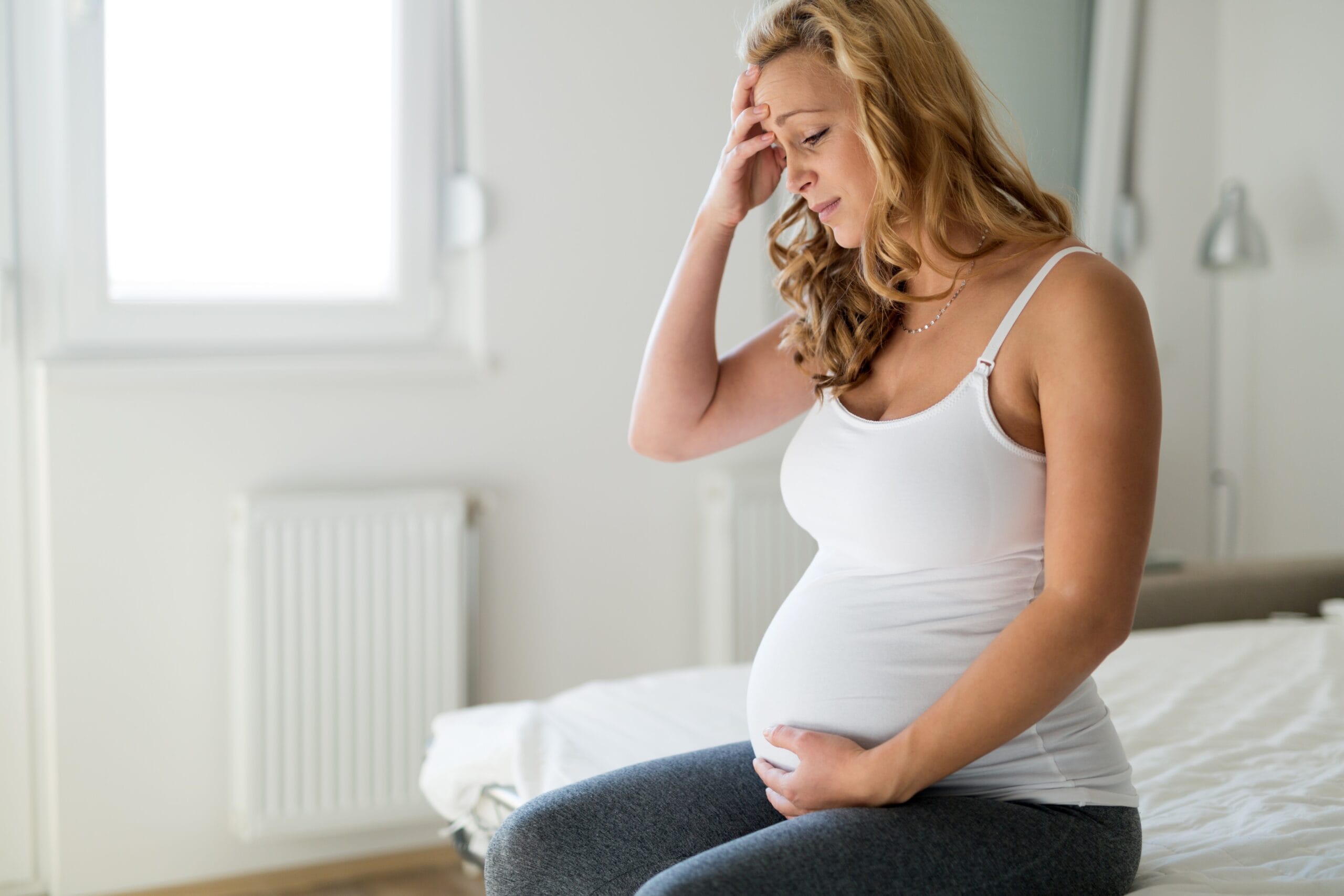
Common symptoms of anemia in pregnancy include:
- Fatigue and weakness
- Dizziness or lightheadedness
- Headaches
- Shortness of breath with minimal exertion
- Pale skin or mucous membranes
- Rapid or irregular heartbeat
However, symptoms can be subtle or masked by normal pregnancy changes, which is why screening for iron deficiency anemia is critical rather than relying solely on subjective complaints.
Most professional bodies, including the American College of Obstetricians and Gynecologists (ACOG), recommend screening for anemia as part of routine prenatal care. When anemia is detected, confirmation of iron deficiency with iron studies (e.g., ferritin, transferrin saturation, serum iron) is advised before targeting therapy, though presumptive treatment is common in practice if iron deficiency is strongly suspected.
A recent evidence review by the U.S. Preventive Services Task Force (USPSTF) concluded that current evidence is insufficient to determine whether routine screening and supplementation for iron deficiency without anemia improves maternal or infant outcomes, i.e., they issued an “I statement.” That said, the risk/benefit calculus changes when anemia is present or when other risk factors (e.g., prior history of iron deficiency anemia, short interpregnancy interval, multiple gestation) exist.
Given these layers, many clinicians take a pragmatic approach: screen early (often in the first trimester) and periodically thereafter if symptoms emerge or risk is elevated.
Iron Supplementation — How Much To Take and How
Pregnant women typically need about 27 mg of elemental iron per day through diet or supplementation to meet increased demands, significantly higher than the roughly 18 mg required when not pregnant.
WHO guidelines recommend:
- Daily oral iron (30–60 mg of elemental iron) plus folic acid for pregnant women, with the higher end of dosing targeted to populations where anemia prevalence is ≥40%.
- This routine iron supplementation is a strong recommendation to reduce maternal anemia at term and lower the risk of low birth weight.
Forms of Iron
Elemental iron is what matters for dosing; different supplements (ferrous sulfate, ferrous gluconate, iron bisglycinate) contain varying amounts of elemental iron per tablet. Iron absorption is enhanced when taken with vitamin C and avoided with calcium, coffee, tea, or certain antacids around dosing time.
Start oral iron supplementation as soon as iron deficiency anemia is diagnosed unless contraindicated. Reassess after a few weeks: monitor hemoglobin and ferritin to see response.
If oral iron fails (e.g., due to absorption issues, intolerance, or severe anemia), consider intravenous iron therapy, which is increasingly utilized and has evolving evidence about optimal timing and dosing in pregnancy.
Diet also plays a supportive role, especially for mild deficiency or prevention. Include heme iron sources (red meat, poultry, fish), which are better absorbed.
Pair non-heme iron sources (legumes, dark leafy greens, fortified grains) with vitamin C-rich foods (citrus, strawberries, bell peppers) to boost absorption. Avoid inhibitors like excessive calcium or polyphenols (from tea/coffee) close to iron intake.
Regular monitoring of iron intake is valuable since even with a decent diet, pregnancy’s increased requirements often necessitate supplementation.
When Oral Iron Intake Isn’t Enough
Some pregnant patients cannot tolerate oral iron due to gastrointestinal side effects or may not absorb enough because of inflammatory states, prior bariatric surgery, or malabsorption conditions. In such cases:
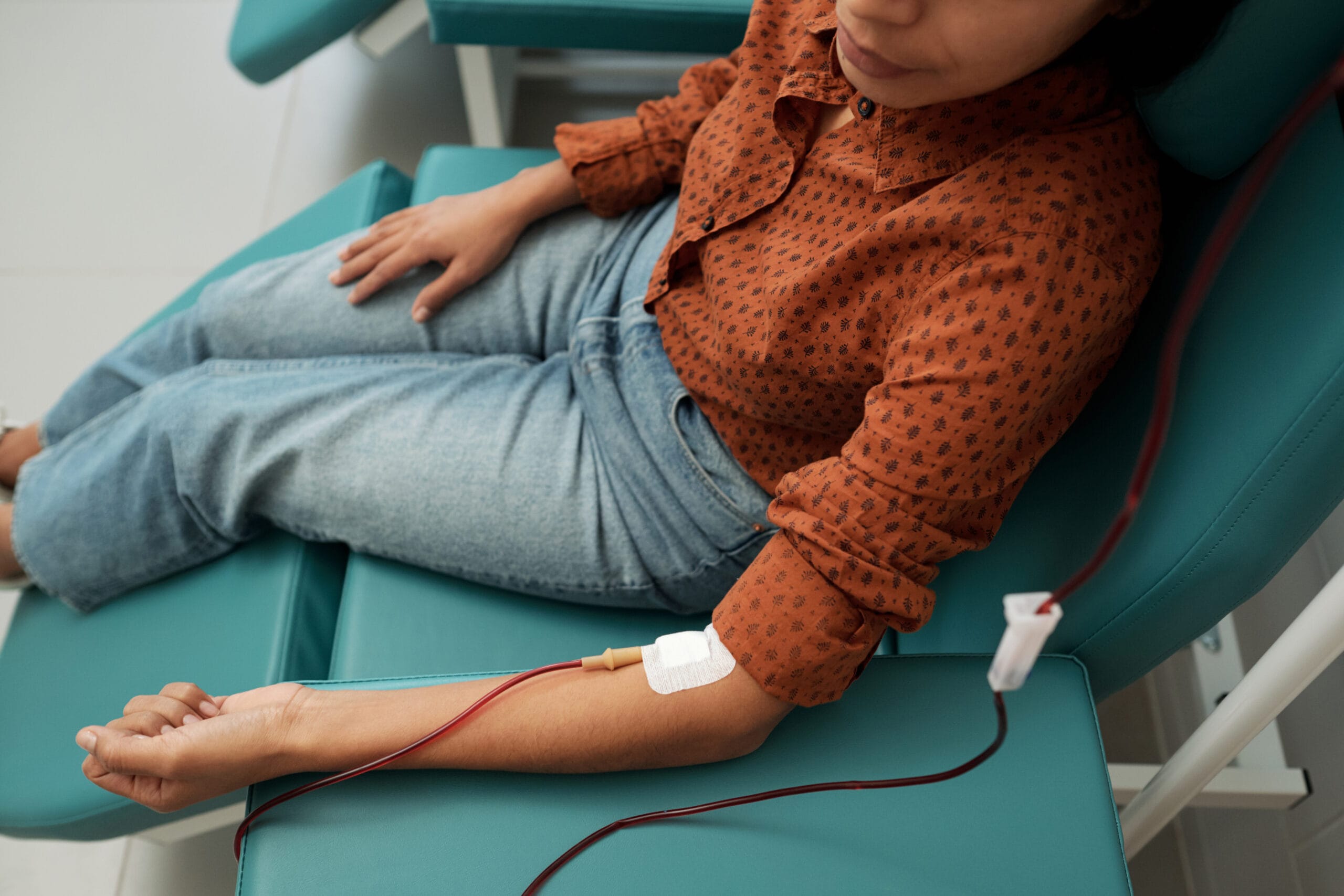
Intravenous iron can rapidly replenish iron stores and correct anemia, with multiple formulations available (e.g., iron sucrose). Recent quality improvement data support safe and efficient use in obstetric care settings.
Treatment decisions (route, dose, timing) are best individualized, ideally with input from a hematology expert if anemia is moderate-to-severe or refractory.
Ways To Improve Maternal Iron Status
Iron deficiency in pregnancy is both common and modifiable. Improving maternal iron status before, during, and after pregnancy:
- Reduces the risk of anemia-related fatigue and morbidity.
- Supports optimal fetal development, especially neurocognitive trajectories.
- Contributes to healthier birth weights and lowers the occurrence of preterm delivery.
Pregnant individuals, their care teams, and specialists should partner early:
- Screen early and strategically based on risk.
- Start appropriate supplementation when deficiency or anemia is identified.
- Escalate to hematology expertise if response is inadequate, symptoms persist, or if there are complicating factors such as concurrent blood disorders (e.g., sickle cell anemia) that impact iron handling.
How Heme On Call Hematology Helps Pregnant Women
Some cases of iron deficiency and anemia during pregnancy are straightforward, but others are complex: overlapping causes, intolerance to standard therapies, or concurrent hematologic disorders (like sickle cell anemia) can obscure the path forward. That’s where specialized hematology input makes a difference.
Heme On Call offers telemedicine hematology consultations, making expert assessment accessible without a long clinic visit. Our team specializes in women’s health hematology, including iron deficiency and anemia in pregnancy, and can help with the interpretation of iron studies and diagnosis of iron deficiency anemia.
Tailoring iron supplementation during pregnancy, including when oral therapy is inadequate. Coordinating advanced therapies like intravenous iron or addressing complex comorbidities. Collaborative care with obstetricians to optimize pregnancy outcomes, aiming for a pregnancy without anemia whenever possible.
Iron is small in size but enormous in impact, especially during pregnancy. Ensuring maternal iron sufficiency is a relatively low-barrier intervention with outsized benefits for both mother and child. From the routine screening and supplementation endorsed by global public health authorities to nuanced individualized care for refractory or complicated cases, a proactive iron strategy can shift outcomes.
If you or someone you care for is pregnant and struggling with fatigue, has been diagnosed with anemia, or wants to screen for iron deficiency before it becomes a problem, expert guidance is a click away.
Contact us at 786-567-8310 to request a televisit, get a tailored iron assessment, and move toward a pregnancy without anemia, because getting enough iron today builds healthier tomorrows.