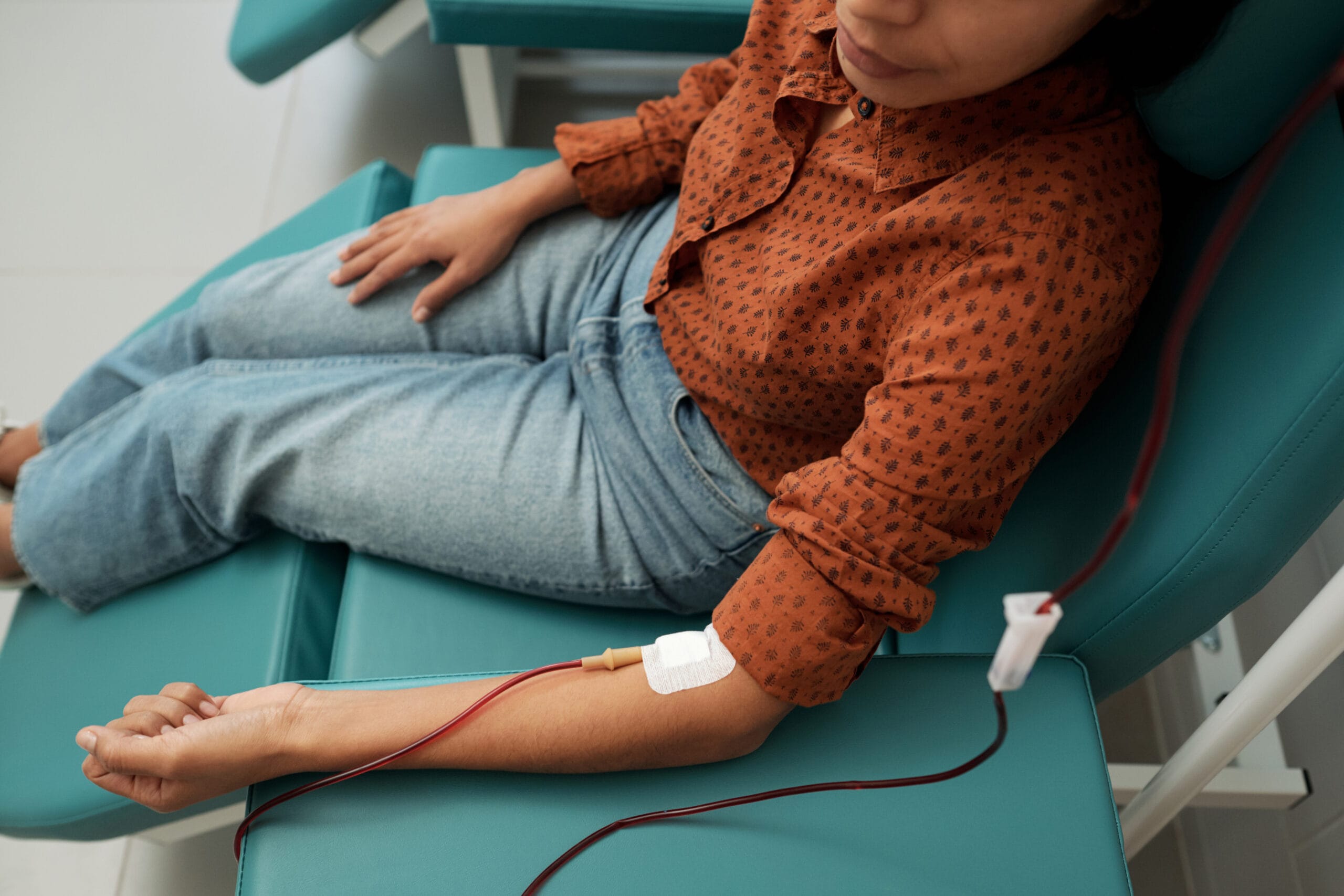
Whether it’s from work-related stress, lack of sleep, or a stressful lifestyle, we all experience fatigue at some point. However, persistent and recurrent fatigue could be a key symptom of an underlying health condition, such as iron deficiency. Fatigue is an overwhelming tiredness that drains our energy, dampens our enthusiasm, and confines us to a state of sluggishness. But have you ever stopped to wonder if the deep-seated cause of this relentless exhaustion could be something as overlooked as an iron deficiency?
Iron deficiency is one of the most common nutritional deficiencies worldwide and a major cause of fatigue. Iron is an essential mineral for our bodies, playing a crucial role in red blood cell production and oxygen transportation. Without it, our body’s capacity to perform effectively falters, leading to symptoms such as weakness, paleness, shortness of breath, and chronic fatigue.
Causes of iron deficiency can range from nutritional gaps to blood loss, making it a tough nut to crack for many. While an iron-rich diet and taking iron supplements can help maintain iron levels, these solutions often present a frustrating challenge: absorbing enough iron might still seem as tricky as moving mountains.
Stay tuned as we unveil the power of iron infusions in the battle against fatigue.

Understanding Iron Deficiency And Its Treatment
First, let’s grasp why iron is important to our existence. This hefty mineral is the bedrock of hemoglobin, a protein found in our red blood cells. Hemoglobin ferries oxygen from our lungs to the rest of our body’s tissues—a crucial function that fuels our cells and drives the internal machinery that keeps us alive!
To one’s surprise, iron also plays a paramount role in maintaining robust immunity, cognitive health, and temperature regulation. Evidently, iron’s footprint is deeply imprinted in maintaining our overall well-being.
Causes of Iron Deficiency
Iron deficiency can quietly slither into our lives through various routes. Some of the main causes include:
- Inadequate Iron Intake: A diet lacking in iron-rich foods can contribute significantly to iron deficiency. Remember, our bodies can’t produce iron, so including this mineral in our daily diet is indispensable.
- Blood Loss: Whether it’s from surgery, injury, or heavy menstrual cycles, any kind of blood loss chips away at the body’s iron stores, placing us at risk of iron deficiency anemia.
- Problematic Iron Absorption: Conditions like celiac disease and certain surgeries can impede the body’s capacity to absorb iron, creating a sinkhole for your iron levels.
- Increased Iron Demand: Certain life phases, such as pregnancy, demand higher iron supplies, a call which, if left unanswered, can slip you into the clasp of iron deficiency.
Symptoms and Current First-Line Treatment
Iron deficiency anemia often tiptoes into our lives, its symptoms being so subtle initially that they’re easily brushed off. An inexplicable fatigue, an eerie pallor, sudden shortness of breath, or even bizarre cravings for non-nutritive substances like ice or clay (a condition known as pica) might be screaming at you about a potential iron deficiency. Even brittle nails, swollen tongue, and restless legs at night can be signs whispering the tale of your depleting iron stores.
Currently, the first-line treatment traditionally leans towards oral iron supplements. ‘Take iron,’ ‘take iron supplements, ‘ or ‘increase your iron intake’—we often hear such remedies bounced off in an attempt to combat this ubiquitous deficiency. This sounds like the perfect solution on paper—take iron supplements, absorb iron, increase iron levels, and voila, problem solved! But, alas, reality sings a different tune.
Unfortunately, oral iron supplements come with their own baggage. For starters, they can wreak havoc on your digestive system, spawning an array of unpleasant side effects like constipation, nausea, and stomach cramps. More so, absorbing enough iron from supplements tends to be a towering task for many, given our bodies can’t quite commodiously ingest large amounts of iron at once. And let’s not ignore the menacing issue of compliance—it’s not always easy remembering to pop a pill daily, meaning it’s all too easy for this treatment to fall flat on its face.
The current treatment might have its good intentions but proves insufficient for many, raising the curtains for an enticing alternative: blood infusions. The mysteries of which we’ll unravel in the coming sections. Stay tuned!
The Power Of Blood Infusions
Introduction to Blood Infusions or IV Iron Therapy
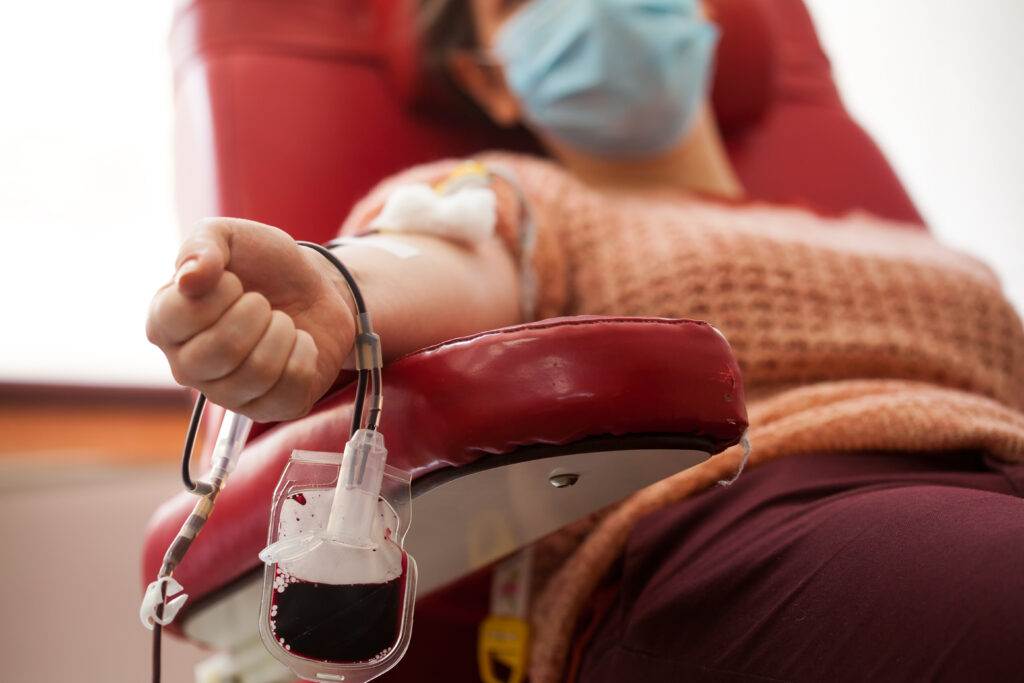
When the iron in your diet falls short, or your body can’t absorb iron efficiently, your iron stores may dwindle, leading to iron deficiency—anemia’s most common cause. Enter blood infusions or Intravenous (IV) iron therapy, the iron deficiency treatment that delivers iron directly into your bloodstream. This bypasses the need to absorb dietary iron from the food you eat, offering a potent solution.
Key Benefits of IV Iron Therapy Over Oral Supplements
One might instinctively reach for iron tablets when it comes to iron deficiency treatment, but there’s a new player in town—IV iron therapy. Outperforming oral supplements, it focuses on fast-track replenishment of the body’s iron stores. Let’s unveil the benefits attributed to this top-tier therapy:
- Rapid Restoration of Iron Stores: When iron infusions are on the case, the “much iron” needed to combat iron deficiency is delivered directly to your bloodstream, accelerating the treatment process.
- Better Side Effect Profile: Iron supplements can cause unforeseen side effects like constipation. But thanks to IV iron therapy, severe reactions are rare, making it a more tolerable option.
- Enhanced Absorption: This therapy skips the digestive system’s inefficiencies and barriers to pure iron absorption. Your body doesn’t have to contend with the dietary iron; it receives the extra iron it needs undiluted and ready for use.
- Increased Treatment Compliance: Irregular adherence to prescribed iron tablets can hinder treatment for iron deficiency. In contrast, IV iron therapy often requires fewer sessions, streamlining the therapeutic journey.
Appropriate Situations Where IV Iron Therapy is Implemented
IV iron therapy isn’t a one-size-fits-all solution, but it proves advantageous in various situations:
- Severe Iron Deficiency: Iron deficiency anemia in adults and infants presents an urgent case where IV iron therapy excels. By delivering much-needed iron quickly, this treatment alleviates severe symptoms of iron deficiency anemia, granting relief.
- Ineffectiveness of Oral Iron Therapy: Iron tablets don’t do the trick for some patients due to side effects or lack of efficacy. IV iron therapy can help resume the replenishment of iron stores in your body when oral supplements falter.
- Impaired Iron Absorption: Conditions such as celiac disease or inflammatory bowel disease may limit the ability to absorb iron from food, increasing the risk of iron deficiency. IV iron therapy compensates for this deficiency, bypassing the impaired absorption pathway.
- High Iron Demand: Specific life stages like pregnancy or adolescence may demand extra iron. When dietary sources are insufficient, IV iron therapy can fill the gap, preventing iron deficiency.
- Pre and Post-Surgery: Iron infusions before and after the procedure can replenish iron stores for surgeries that result in significant blood loss, warding off impending anemia.
However, keep in mind that iron is essential, but too much of it from the food you eat or therapy may lead to excess iron, which can be harmful. Therefore, while IV therapy can be a potential game-changer in treating iron deficiency, it should be done under medical guidance.
Introducing IV iron therapy into your treatment portfolio could turn the tables on this common form of anemia. This switch could mean the difference between a slow trudge towards iron sufficiency and a speedy path to recovery. Iron deficiency doesn’t have to leave you feeling languished anymore. After all, you should take your iron deficiency treatment as seriously as you take your iron-containing nutrition.
With IV iron therapy, you’re not just taking your iron; you’re literally infusing vitality back into your life! A robust iron stores, a capable body, and a more energetic self—isn’t that the goal of every iron deficiency treatment?
Contact HemeOnCall for your IV iron therapy today!

What To Expect During IV Iron Therapy
As iron deficiency continues to affect millions worldwide, effective treatments like IV iron therapy have emerged. When you strive to combat iron deficiency anemia and get enough iron into your system, knowing what to expect from IV iron therapy is essential. This section outlines the therapy process, duration, frequency, anticipated improvements, and potential side effects.
Description of the IV Iron Therapy Process
Here’s a step-by-step breakdown of the IV iron therapy process:
- Assessment: The healthcare provider evaluates your signs and symptoms, reviews blood work results, and diagnoses iron deficiency anemia. They carefully assess the need for IV iron therapy based on the severity of your condition, absorption issues, and previous iron supplement experiences.
- Preparation: Once deemed a suitable candidate, your medical provider has you sign informed consent forms. If needed, an allergy test may be conducted to ensure your body doesn’t react negatively to iron therapy.
- IV Placement: A healthcare professional inserts a small needle with an attached plastic tube (catheter) into a vein, usually in the arm or hand. This intravenous access is a means to deliver the iron directly into your bloodstream.
- Iron Administration: The provider infuses the iron solution slowly and carefully into your vein via IV drip or injection, ensuring the right amount of iron reaches your system to replenish your iron stores.
- Monitoring: Throughout the therapy, the staff monitors your vital signs and iron level responses to ensure your safety during the entire procedure.
- Aftercare: Upon completing the session, the professional will remove the IV line and review any post-treatment instructions. They’ll also schedule follow-up appointments and additional evaluations to track the efficiency of the therapy.
Duration and Possible Frequency of the Sessions
The treatment duration and frequency of IV iron therapy sessions depend on individual iron needs and the severity of your iron deficiency. Typical sessions can last anywhere between 30 minutes to a few hours. Your iron level and the recommendation of your healthcare provider determine the number of sessions you might require. Some patients need a single treatment, while others might require multiple sessions over an extended period.
Anticipated Improvements and Potential Side Effects
Following IV iron therapy, you may see improvements such as increased energy, enhanced cognitive function, and overall well-being as red blood cell production is optimized. Most patients notice a positive difference within a few weeks of completing treatment. However, the exact timeframe for noticeable results varies between individuals.
As with any medical procedure, IV iron therapy presents potential side effects:
- Mild reactions: Some common yet mild reactions to IV iron therapy include headache, dizziness, muscle cramps, warmth or pain at the injection site, and a metallic taste in the mouth. These usually subside within a few hours or days.
- Moderate reactions: In rare cases, you might experience hypotension (low blood pressure), fever and chills, or gastrointestinal symptoms such as nausea and diarrhea. Inform your healthcare provider if you encounter these reactions.
- Severe reactions: Although incredibly rare, there is a risk of anaphylaxis (a severe allergic reaction) or cardiovascular symptoms. Medical staff is well-trained to identify and manage such events promptly.
Remember to consult your healthcare provider about any concerns or side effects you experience. They may adjust the treatment or offer insights to minimize discomfort.
In conclusion, IV iron therapy can herald a new beginning for patients struggling with iron deficiency anemia. With the proper medical guidance, this powerful treatment can replenish your iron stores, making you feel revitalized and ready to face daily challenges with newfound vigor. Embrace this transformative therapy to attain the iron-rich life you deserve.

Frequently Asked Questions
Iron deficiency is a prevalent health concern that affects millions of individuals worldwide. Uncovering effective treatment options is crucial to restoring your body’s vital iron stores. Here, we tackle the most pressing inquiries about IV iron therapy, decoding this transformative treatment in plain language.
1. What Does IV Iron Therapy Entail?
To treat iron deficiency, healthcare professionals may suggest IV iron therapy, especially in cases of severe iron deficiency where oral iron supplements are insufficient. IV iron therapy promptly replenishes the body’s iron stores, permitting enhanced production of hemoglobin, the oxygen-carrying component of red blood cells.
2. How Much Iron Will I Receive During IV Iron Therapy?
The amount of iron administered depends on your individual iron needs, as determined by thorough blood work. IV iron therapy is designed to quickly restore your iron levels to optimum, avoiding the risk of iron deficiency.
3. Are Iron Tablets as Effective?
Iron tablets can be an effective method of increasing iron levels. However, taking iron tablets, especially in the quantities needed to treat severe iron deficiency, can often lead to side effects, notably constipation. IV iron therapy bypasses the gut, resulting in fewer side effects while delivering the iron more effectively and swiftly.
4. Can You Get Enough Iron from Your Diet Alone?
While diet is essential in maintaining our iron levels, conventional dietary iron sources may not suffice when iron deficiency occurs. Foods rich in iron include meat, poultry, and spinach. However, the body can’t absorb all the iron from the food you eat. Certain cases, especially severe iron deficiency, might necessitate more immediate and efficient interventions like IV iron therapy.
5. What Is the Cost of IV Iron Therapy?
The cost of IV iron therapy can vary based on multiple factors, including geographical location, the specific formulation used, and the required number of sessions. Consult your healthcare provider for a more accurate estimate.
6. Are There Long-Term Effects of IV Iron Therapy?
IV iron therapy is widely considered safe for long-term use. Although rare, potential side effects include allergic reactions or iron overload. However, healthcare professionals carefully calculate your iron dose to diminish these risks.
7. Is It Possible to Prevent Iron Deficiency?
Preventing iron deficiency involves ensuring you incorporate enough iron in your diet through a balanced intake of foods high in iron. Regular screenings can also diagnose iron deficiency early before the onset of symptoms of iron-deficiency anemia.
8. Are There Other Treatment Options for Iron Deficiency Anemia in Adults?
Aside from IV iron therapy and iron supplements, treatment for iron deficiency anemia in adults may involve dietary adjustments to increase the intake of iron-rich foods. In some cases, it may also include addressing the underlying cause of your iron deficiency, such as treating a bleeding ulcer.
9. How Does Iron Deficiency Anaemia Affect Infants and Young Children?
Iron deficiency anemia can interfere with growth, development, and neural functions in infants and young children. Therefore, it’s critical to address any suspected iron deficiency promptly.
10. How Does One’s Body Store Iron?
The body stores iron principally in the liver, spleen, and bone marrow. Iron is stored in a form that’s readily available to the body when it requires extra iron, such as during periods of rapid growth or following blood loss.
11. Do Iron Supplements Cause Any Side Effects?
While iron supplements can effectively treat mild iron deficiency anemia, they can also cause side effects like constipation, nausea, and abdominal discomfort. This is another reason why IV iron therapy can be a favorable option for those with severe iron deficiency.
With the information above, it’s clear that while iron deficiency is a common issue, there are numerous solutions, with IV iron therapy sitting at the forefront. By addressing your questions head-on, we hope to shed light on the power of blood infusions in treating iron deficiency.
Please consult your healthcare provider for advice tailored to your specific circumstances. Regular screenings and open discussions with your healthcare team will enable you to manage any potential iron deficiencies effectively and efficiently. Remain proactive in maintaining your health – your body will thank you!
Conclusion
Iron is a vital element–a cornerstone in forming red blood cells and maintaining our overall health. Understanding and addressing iron deficiency is critical, not only for those directly affected but for everyone alike.
Battling the invisible enemy of iron deficiency begins with awareness. Recognizing the signs and symptoms linked to low iron levels–such as fatigue, pale skin, or brittle nails–is the first effective step. However, the root cause of iron deficiency isn’t always rooted in diet; in many cases, such ailments can result from blood loss or other underlying health conditions.
Effective intervention relies on gaining a deep understanding of your body’s specific needs. If you’re struggling with symptoms suggestive of iron deficiency or iron-deficiency anemia, please consult with healthcare professionals. Those experts possess the knowledge and tools to accurately monitor your iron stores and suggest the necessary therapies.
One of those therapies might well be IV iron treatment. Designed to rapidly replenish your iron stores, it’s a powerful weapon against iron deficiency. But iron supplements and a diet rich in iron-rich foods can also be effective in boosting your iron intake, especially when complemented by lifestyle activities conducive to iron absorption.
Never underestimate the power of knowledge in the fight against iron deficiency. Stay informed about your health. And remember, when you take iron, ensure you’re getting enough and absorbing sufficient amounts to meet your body’s needs.
In closing, Iron deficiency should never be left untreated, as it could lead to more serious health problems. If you experience persistent fatigue and believe you may be iron-deficient, reach out to a healthcare professional immediately.
We hope this article encourages you to learn more, seek guidance when needed, and actively participate in the pursuit of your own health. Staying informed is a key part of that journey, so contact HemeOnCall to book a consultation today!