
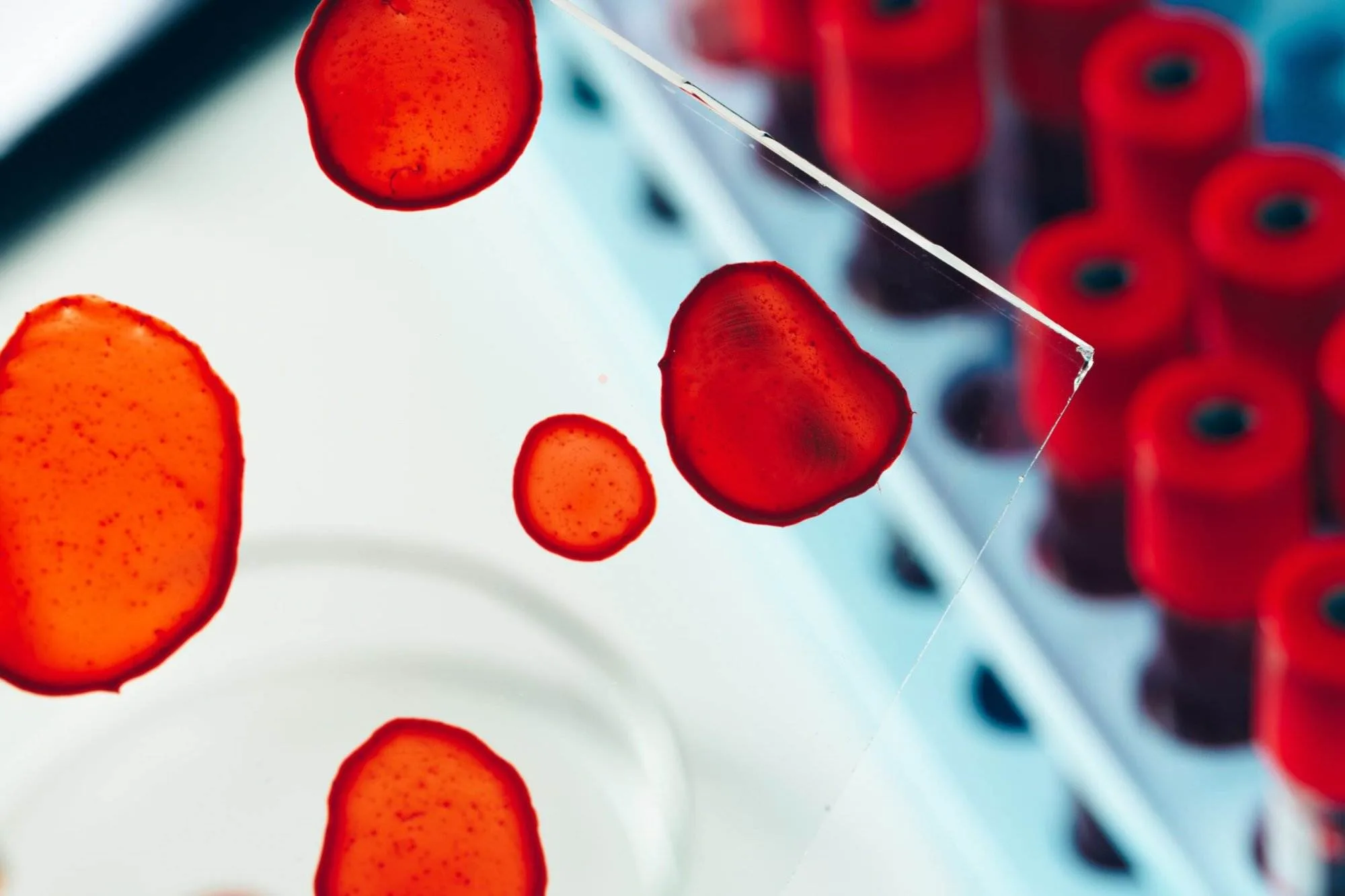
Living a healthy life depends a lot on understanding how our bodies work. When it comes to maintaining our health, every single body component plays a significant, interrelated role. Platelets, for instance, are often overlooked, yet they are indispensable as they contribute to the crucial blood clotting process. Platelet count holds imperative value, and any imbalance can lead to severe complications.
Occasionally, we might suffer from a low platelet count, a condition known as thrombocytopenia. This condition is not one to be ignored, as it may leave the body unable to form clots, and this could lead to excessive, possibly fatal, bleeding.
It’s vital to comprehend what causes low platelet count, to grasp the potential risks, and to identify the early warning signs.

What Are Platelets?
Platelets, also known as thrombocytes, are tiny but critical blood cells that aid in clotting. Their main function is to respond to injury or bleeding by changing their form to stick to the lining of the blood vessels, blocking the bleeding while also releasing chemicals that attract more platelets to the site. This process results in a platelet plug or clot that seals the damaged vessel.
According to the National Library Of Medicine, understanding platelets and their function is essential as it helps comprehend certain medical conditions relating to them, such as thrombocytopenia, a condition characterized by low platelets in the blood. Our body’s need for platelets doesn’t end with clotting.
They are secret couriers of essential chemicals throughout your body, transported via the veins and arteries to maintain healthy blood vessels. Therefore, measuring platelet count is significant.
Understanding Low Platelet Count
Platelets or thrombocytopenia is a condition characterized by a low level of platelets in the blood. Platelets are small cell fragments essential for blood clotting. When vessels are damaged, these fragments gather at the site of injury, forming a plug that assists in stopping the bleeding.
Normal platelet count in the blood ranges from 150,000 to 450,000 platelets per microliter of blood. A platelet count of less than 150,000 platelets per microliter is generally considered thrombocytopenia in adults. This condition can result in easy or excessive bruising, prolonged bleeding from cuts, and spontaneous bleeding from the gums or nose.
Thrombocytopenia may be the outcome of various health conditions, from cancer affecting the bone marrow to an enlarged spleen destroying platelets. Sometimes, your body might not produce enough platelets, or the blood vessels might assertively overuse them. Whatever the cause, the result is an insufficiency of these essential clot-forming thrombocytes that can lead to dangerous blood loss.
Causes of Low Platelet Count
Numerous factors could lead to a low platelet count. Some are easier to manage than others. They include:
- Autoimmune Diseases are conditions in which the body’s immune system attacks its own cells. It might sometimes attack and destroy platelets, leading to low platelet count. Examples of these conditions include lupus and idiopathic thrombocytopenic purpura (ITP).
- Side Effects Of Medications: Certain drugs, such as antibiotics, chemotherapy drugs, anti-seizure medications, and blood thinners, can decrease platelet production.
- Excessive Alcohol Consumption: Chronic and excessive alcohol consumption can affect the bone marrow’s ability to produce platelets, leading to low platelet counts.
- Pregnancy: A mild decrease in platelets can happen during pregnancy.
- Chemotherapy And Radiation Therapy: These cancer treatments can damage the bone marrow and thus lead to low platelet count.
- Kidney Conditions: These conditions, such as nephritic syndrome, can also lead to low platelet count.
How Do Medical Conditions Cause Thrombocytopenia?
When it comes to a disturbance in our platelet count, a condition known as thrombocytopenia, compassion and understanding become as important as scientific knowledge; the bone marrow is the main key to the production of platelets – the ‘life factory’ of blood cells. It should be protected and preserved. But certain medical conditions can be invasive, jeopardizing this delicate production process:
- Cancer In The Blood: Diseases such as leukemia directly target the sanctity of bone marrow, reducing the space and resources needed for creating healthy platelets.
- Treatment Side Effects: Ironically, cancer-fighting therapies like chemotherapy or radiation, while lifesaving, can inadvertently impair platelet production and decrease platelet counts.
- Infectious Agents: Viruses, especially those invading the bloodstream, such as HIV or dengue fever, are notorious for depleting platelet numbers. This can provoke the immune system to confuse platelets with foreign bodies—destroying them and leading to what’s called immune thrombocytopenia.
- Unseen Clots: Rare disorders like thrombotic thrombocytopenic purpura (TTP) result in the formation of minuscule clots that can disperse throughout the body, utilizing many platelets, thus lowering their overall count.
Symptoms Of Thrombocytopenia
The presence of these symptoms can indicate a potential low platelet count:
- Heavy menses or menstrual bleeding
- Fatigue
- Yellowish skin or eyes (Jaundice)
- Enlarged spleen, felt pain or fullness in the upper-left abdomen
- Petechiae: These are tiny purple, red, or brown spots on the skin that often appear in clusters. They’re typically found in the lower legs and caused by skin bleeding.
Treatment Options For Low Platelet Count
Once you’ve identified thrombocytopenia, your healthcare provider can recommend multiple treatment options based on the underlying cause:
- Medication: Certain medications might help increase the platelet count.
- Lifestyle Changes: A balanced diet rich in certain vitamins like B12, Folate, and vitamin K could help enhance platelet production.
- Procedures: If your low platelet count is due to spleen problems, a splenectomy (spleen removal) might be advised. Similarly, platelet transfusions are also common procedures for treating this health issue.
- Treating Underlying Conditions: Addressing bone marrow disorders or liver diseases might also increase the platelet count.

Understanding The Dangers Of Persistent Low Platelet Count
When our platelet counts drop below the normal level, it’s vital to comprehend how that can impact our overall health. Persistent low platelets can lead to:
- Excessive bleeding: Both from minor injuries or spontaneously without any apparent trigger.
- Medical Emergencies: Severe loss of platelets can cause dangerous, spontaneous bleeding in the brain or gastrointestinal tract.
- Inefficient Healing: As platelets help blood to clot, low levels might affect healing
Living With A Low Platelet Count
Navigating life with low platelets or thrombocytopenia can feel like a tightrope walk. Many coping strategies and lifestyle modifications might help you manage and live comfortably with your condition. Here are some vital steps to keep in mind:
- Be Vigilant About Symptoms: Understand the symptoms of low platelets, such as excessive bruising, prolonged bleeding from small injuries, or blood in the urine or stools.
- Regular Check-Ups: Keep track of your platelet counts and general health with regular doctor visits and blood tests.
Coping with thrombocytopenia involves lifestyle tweaks:
- Healthy Lifestyle: Follow a nutritious diet, exercise regularly, and maintain healthy sleep habits.
- Limit Alcohol: Excessive alcohol can cause your platelets to function poorly and lower your platelet count.
- Stay Safe: Avoid activities with a high risk of injury to prevent bleeding and bruising.
Living with low platelets doesn’t mean surrendering your lifestyle or happiness. With vigilance, the right strategy, and a proactive approach, you can navigate through life with thrombocytopenia.
The key to managing a low platelet count is understanding its causes and seeking proper medical assistance. Consulting with a healthcare professional is essential if you believe you or someone you know may have low platelets. With the proper care and treatment, thrombocytopenia can be effectively managed.
Stay informed and take care of your health!