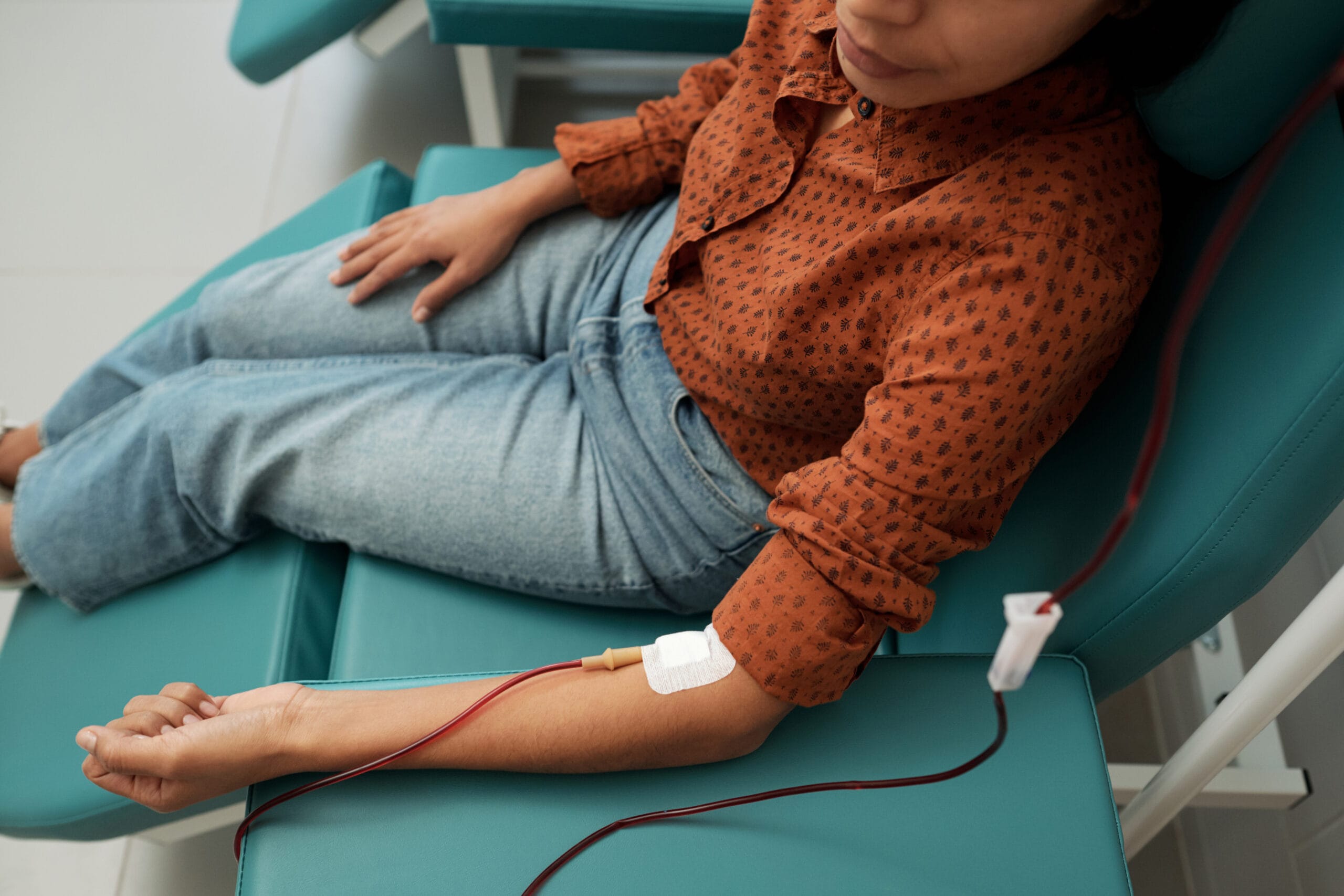
A dedicated runner finishes a half-marathon, but instead of the typical soreness fading within days, the fatigue persists. Her legs feel like lead, workouts plateau, and recovery lingers longer than usual. Blood tests reveal a familiar culprit, low iron levels.
Iron’s not just about avoiding anemia. It plays a direct role in muscle function, oxygen transport, and recovery. Without enough iron, even the most controlled athletes and normal individuals can feel weakened, suffer from chronic soreness, and lose performance.
At Heme On Call, where we provide telemedicine hematology services, we commonly see how underdiagnosed iron deficiency impacts health and athletic performance. Here, we explore the symptoms, implications, and remedies of low iron, most notably its impact on recuperating muscles.

The Role Of Iron In The Body And Muscles
Iron is required for many essential processes in the body. It is involved in the manufacture of hemoglobin, which carries oxygen in the blood, and myoglobin, which stores oxygen in muscle tissue. It helps to facilitate energy metabolism, activating enzymes responsible for energizing muscles to repair themselves.
With declining levels of iron, the body is unable to deliver oxygen to muscles effectively. Healing is slower, exercise becomes more strenuous, and fatigue sets in earlier.
There are a few key markers that are tracked for iron status. Ferritin tracks stored iron, serum iron tracks what is in the bloodstream, and iron absorption tracks how well the body is absorbing food iron. For declining serum ferritin or hemoglobin, performance will decline, and muscle repair slows.
Signs That Low Iron Is Affecting Muscle Recovery
Low iron does not necessarily have a showy presentation. Instead, it creeps up on you quietly, affecting energy, tolerance, and recovery subtly in ways that are simple to explain away as “just being tired.” For athletic individuals, these insidious clues can impact training gains and overall performance. These are the sorts of things you may notice:
- Feeling exhausted in a manner disproportionate to activity.
- Prolonged, more-than-usual muscle soreness.
- Decreased tolerance for training or routine activities.
- Recurring injuries or slow healing.
- Pale appearance of the skin, headache, or dizziness (classic anemia symptoms).
In athletes, slight muscle weakness or delayed recovery may be the first sign of iron deficiency without anemia. Routine iron status checks are thus important, especially among female athletes and hard-working endurance participants.
Who Is Most At Risk Of Low Iron?
Low iron can hit anyone, but certain groups are far more vulnerable. In these individuals, even minor drops in iron levels have a significant impact on energy, recovery, and overall well-being. Understanding who is most vulnerable is beneficial for prevention and early treatment.
1. Female Athletes
Women are especially vulnerable to iron deficiency because of monthly menstrual blood losses and increased iron needs. For female athletes, this is compounded by the stress of training. Without adequate iron intake, performance can decline, recovery is slow, and vulnerability to iron deficiency anemia grows.
2. Endurance Athletes
Endurance athletes, cyclists, and triathletes all lose iron in a variety of ways. Sweat and some minimal GI bleeding account for some of it, but so does “foot-strike hemolysis,” as red blood cells break down from repetitive pounding. Over time, such athletes can lose stores of iron and have with it attendant fatigue and delayed recovery.
3. Vegetarians Or Vegans
Vegetarians consume mainly non-heme iron, which is less effectively absorbed by the body than animal-source heme iron. Unless carefully planned, dietary iron can be below daily needs for iron. Low serum ferritin, poor recovery, and ultimately iron deficiency anemia may result.
4. Patients With Chronic Diseases
Chronic disease patients, for example, heart failure, iron deficiency, or inflammation, are prone to so-called absolute or functional iron deficiency. Iron is in this case stored in the body but not usable due to a changed iron metabolism. That is why professional evaluation and iron treatment are of special importance.
5. Pregnant Women
Body iron demand is maximally augmented during pregnancy to support the mother and fetus. If the intake is not adjusted, iron deficiency anemia is common, with consequences of weakness, fatigue, and maternal and infant morbidity.
While iron deficiency is widespread in these groups, it needn’t go untreated. With appropriate testing and a personalized regimen, low iron can be addressed before things get more serious. Heme On Call collaborates closely with patients (athletes, women, and those with chronic illnesses) to monitor iron status, restore iron balance, and prevent the long-term consequences of iron deficiency.
The Risks Of Ignoring Iron Deficiency
If it is not treated, the effects can persist much longer than being tired. With continued time, the body is unable to recover well, and performance and health deteriorate. Some of the most common dangers include:
- Delayed recovery and compromised performance in muscles.
- Abnormalities in skeletal muscle limit gains in strength.
- Iron deficiency anemia worsens fatigue and weakness.
- Greater risk of injury and overtraining syndrome.
Severe medical complications such as heart failure and fatigue are related to iron deficiency.
For competitors, the impact of iron deficiency on training can be truly dramatic. Race times inch slower, gains from training cease, and risk of injury rises, all effects that can ruin long-term goals if iron is not remedied.
Studies show that the effects of iron deficiency extend far beyond simple blood tests. For example, spectroscopy research into the calf muscle reveals impaired oxygen use when iron levels are low. Iron deficiency in sports has been linked with delayed recovery of skeletal muscle and reduced aerobic capacity.
On the other hand, iron supplementation in deficient athletes has been shown to improve muscle function and endurance. Put together, these findings provide tangible evidence of the significant influence of iron supplementation not only on overall health but on performance results as well.
How To Manage And Treat Low Iron
Good news: low iron doesn’t have to hold you back. With strategic management, it can be early diagnosed, well-controlled, and treated in a way that restores both health and performance. The treatment ranges from simple lifestyle modifications to sophisticated medical therapy, depending on the severity of the deficiency.
1. Check Your Iron Status Regularly
The first step in addressing low iron is knowing your numbers. A simple blood panel can measure key markers such as hemoglobin level, serum iron, ferritin, and total iron binding capacity. These values help determine whether you’re experiencing a mild reduction in iron or something more serious, such as iron deficiency anemia.
At Heme On Call, our professionals review these values extensively and make simple recommendations so patients and athletes can simply monitor their iron levels on a regular basis and act before the problem arises.
2. Optimize Dietary Iron Absorption
Diet remains the superior method for obtaining sufficient iron. Iron exists in two forms:
- Heme iron (meat products, fish, poultry) – more absorbable.
- Non-heme iron (beans, spinach, fortified grains) – less well absorbed.
To optimize absorption of iron, serve foods containing iron with vitamin C (such as citrus fruits or peppers), avoid tea or coffee at meals since they interfere with iron absorption, and aim for regular dietary iron intake each day. Gradual, deliberate dietary changes can prevent iron deficiency without anemia to a great extent.
3. Consider Iron Supplementation
Diet may not be enough sometimes, particularly in individuals who are already iron-deficient. Oral iron supplements in tablet or liquid form often follow in such situations. Though successful, stomach discomfort is a side effect experienced by some individuals, thus indicating the significance of medical counsel.
For patients who have trouble with oral iron supplementation or have very low serum ferritin, intravenous iron may be recommended. Research suggests that iron supplementation is more effective in repairing muscle, restocking body iron stores, and enhancing the sports performance of athletes suffering from iron deficiency than diet alone.
4. Individualized Iron Therapy
No one size fits all when it comes to iron therapy. Treatment depends on diagnosis:
- Iron deficiency without anemia may be treated with increased diet and oral supplementation.
- Iron deficiency anemia typically requires more vigorous monitoring and intermittent IV iron supplementation.
Iron deficiency in chronic congestive heart failure may require long-term iron therapy to improve quality of life.
At Heme On Call, our hematologists excel at creating customized treatment plans. Whether adjusting oral iron, prescribing intravenous iron, or creating an overall strategy, we strive to help each patient achieve a safe and maintained iron balance.
Low iron need not be a heavy load. With frequent monitoring, smart nutrition, and customized treatment as needed, one can regain energy, improve recovery, and protect long-term health.
If you are concerned your iron could be low, or if you are at higher risk, having the professionals come in can be a lifesaver. Heme On Call provides convenient, professional hematology services to assist patients in taking charge of their iron stores and getting back to feeling and doing their best.
Prevention: Protecting Your Iron Stores
Prevention of iron deficiency is ever better than cure after the event. Both athletes and patients can do something positive to protect their iron status and prevent the tiredness, weakness, and blunted recovery that characterize low iron stores. Among the most effective measures are:
- Checking athletes’ iron status at least annually.
- Having adequate iron nutrition with a proper diet.
- Watch for symptoms of iron deficiency, such as fatigue or delayed muscle soreness.
- Adjust iron needs with pregnancy, endurance training, or convalescence.
- Seek professional care if iron stores are low or symptoms persist.
By being prudent in this manner, balance in iron can be achieved with resultant good performance and recovery. Prevention is almost always easier and safer than radical treatment once deficiencies have occurred.
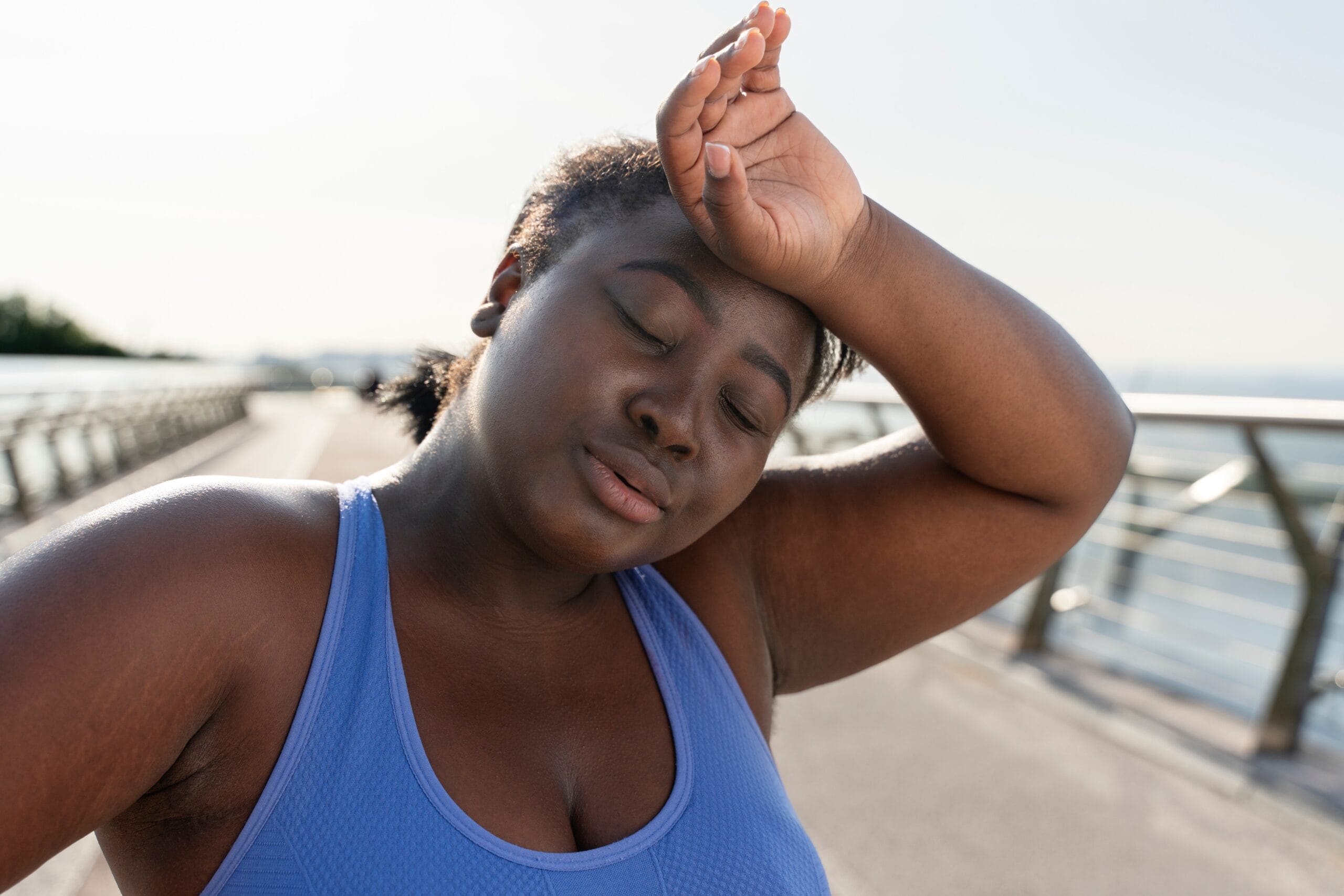
Building Stronger Muscles Begins With Iron
Iron is a critical mineral not only for healthy blood, but for muscle recovery and function. Without sufficient iron, even the best training program won’t work. From fatigue and delayed muscle recovery to the dire consequences of anemia and loss of muscle function, the effects of low iron are too severe to ignore. But through proper monitoring, dietary modification, and iron therapy, recovery and performance can be restored.
Here at Heme On Call, we’re committed to helping patients and athletes maintain healthy levels of iron through personalized hematology care, conveniently available online.
If you’re suffering from low iron symptoms or experiencing difficulty recovering, reach out to us today. Treating iron deficiency could be the key to better health, faster recovery, and enhanced performance.